


Homer’s The Iliad stands as one of the most celebrated and influential works of ancient Greek literature, serving as a cornerstone of Western literary tradition. This epic poem, attributed to the legendary poet Homer, offers readers an immersive journey into the world of Greek mythology, interweaving tales of heroism, honor, fate, and the dynamic interplay between mortals and the capricious gods. Spanning the final year of the Trojan War, The Iliad narrates the events surrounding the momentous conflict between the Achaeans (Greeks) and the Trojans, set against the backdrop of the legendary city of Troy.
At its core, The Iliad is a sweeping tale of warring factions, clashing egos, and the inescapable consequences of human pride and divine intervention. The poem’s narrative is propelled by the wrath of Achilles, the greatest of the Achaean warriors, whose rage against Agamemnon, the leader of the Greek forces, sets in motion a series of events that ripple across the battlefield and the heavens alike. Through vivid and evocative language, Homer transports readers to the heart of the battle, where the fates of heroes and nations hang in the balance.
Beyond its gripping narrative, The Iliad serves as a profound exploration of the complexities of human nature, the fickleness of fate, and the enduring power of storytelling. Its characters, both mortal and divine, are richly drawn and strikingly relatable, their struggles and triumphs resonating across the ages
Summary of The Iliad
“The Iliad” is an ancient Greek epic poem attributed to Homer. It tells the story of the Trojan War, focusing primarily on a short period near the end of the war. The central conflict revolves around the Greek hero Achilles and his anger, which leads to dire consequences for both the Greeks and the Trojans.
The poem begins with a dispute between Achilles and Agamemnon, the leader of the Greek forces. Agamemnon takes Achilles’ prize, Briseis, causing Achilles to withdraw from the fighting in anger and pray to his mother, Thetis, to seek revenge. As a result, Achilles refuses to participate in the war, even as the Greeks suffer heavy losses.
Meanwhile, the Trojans, led by Hector, continue to gain ground against the Greeks. Achilles’ close friend Patroclus, unable to bear the Greek losses, dons Achilles’ armor and leads the Myrmidons into battle, only to be killed by Hector. Enraged by Patroclus’ death, Achilles rejoins the fight, seeking vengeance for his friend’s death.
The poem culminates in a series of dramatic battles between Achilles and Hector. Ultimately, Achilles kills Hector in single combat and desecrates his body, dragging it behind his chariot. However, Hector’s father, King Priam of Troy, begs Achilles for the return of his son’s body, leading to a moment of compassion between the two enemies.
Characters in The Iliad
Achilles
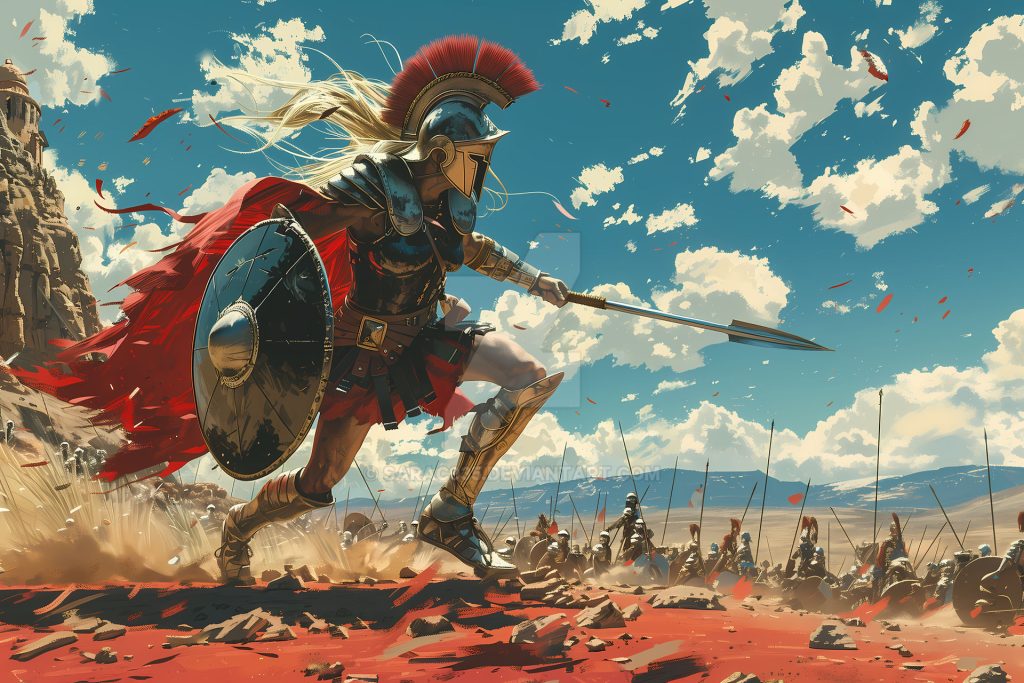
Achilles, the central figure of The Iliad, is portrayed as a complex character torn between his desire for glory and his sense of honor. His wrath at the beginning of the poem sets the narrative in motion, driving much of the ensuing action. Achilles’ tragic flaw, his overwhelming pride (hubris), ultimately leads to his downfall, as he chooses glory on the battlefield over a long life.
Here’s a character analysis of Achilles:
- Brilliance in Battle: Achilles is renowned for his prowess in warfare. He is described as the greatest warrior among the Greeks and is feared by his enemies on the battlefield. His exceptional skill and strength make him a formidable opponent, and he plays a crucial role in turning the tide of the Trojan War in favor of the Greeks.
- Hubris and Pride: Achilles is characterized by his immense pride, or hubris, which often leads him to act impulsively and rashly. When Agamemnon dishonors him by taking his prize, Briseis, Achilles reacts with fierce anger and withdraws from the fighting, despite knowing the dire consequences for his fellow Greeks. His refusal to reconcile with Agamemnon is driven by his wounded pride, demonstrating his stubbornness and arrogance.
- Vulnerability and Mortality: Despite his seemingly invincible nature on the battlefield, Achilles is not immune to vulnerability. He is deeply affected by the death of his close friend Patroclus, which leads him to confront his own mortality and reconsider his values and priorities. This moment of vulnerability humanizes Achilles and adds depth to his character, highlighting his internal struggles and conflicts.
- Conflict of Values: Achilles grapples with conflicting values throughout the poem. On one hand, he desires glory and immortality, craving recognition and fame for his heroic deeds. On the other hand, he also values personal relationships and loyalty, as evidenced by his deep bond with Patroclus and his eventual reconciliation with Priam over Hector’s body. This internal conflict reflects the complexities of human nature and the tension between individual ambition and social bonds.
- Transformation and Redemption: Over the course of the poem, Achilles undergoes a significant transformation. He evolves from a proud and vengeful warrior to a more compassionate and empathetic leader. His reconciliation with Agamemnon and his act of mercy towards Priam demonstrate his capacity for growth and redemption. Through these experiences, Achilles learns the importance of empathy, forgiveness, and human connection, ultimately transcending his earlier flaws and limitations.
Is your busy schedule making it hard to complete your assignments?
Balancing school, work, and personal commitments can leave you strapped for time. Our professional writers can step in to provide the assistance you need to complete your assignments promptly.
Hector
Hector, the noble prince of Troy, serves as a foil to Achilles. Unlike Achilles, Hector embodies the virtues of duty, loyalty, and familial love. He fights not for personal glory but to defend his city and his loved ones. Hector’s death at the hands of Achilles symbolizes the inevitable tragedy of war and the fragility of human life.
Here’s a character analysis of Hector:
- Noble Warrior: Hector is the prince of Troy and the greatest warrior among the Trojans. Unlike Achilles, whose primary motivation is personal glory, Hector fights to defend his city, his family, and his honor. He embodies the ideals of duty, loyalty, and courage, earning respect and admiration from both his allies and adversaries.
- Family Man: Hector is portrayed as a devoted husband to his wife, Andromache, and a loving father to his son, Astyanax. His tender interactions with his family humanize him and add depth to his character, revealing his capacity for love and compassion amidst the brutality of war. Hector’s sense of responsibility towards his loved ones motivates many of his actions throughout the poem.
- Tragic Hero: Despite his noble qualities, Hector is ultimately doomed to a tragic fate. He is aware of the inevitability of Troy’s downfall and the high cost of war, yet he continues to fight valiantly in defense of his homeland. His tragic flaw lies in his inability to foresee the consequences of his actions, particularly his decision to face Achilles in single combat, which leads to his untimely death.
- Respect for Honor: Hector places great importance on honor and integrity, adhering to a strict code of conduct even in the face of adversity. He refuses to engage in dishonorable tactics or betray his principles for personal gain. His commitment to honor earns him the admiration of his fellow Trojans and enhances his status as a heroic figure.
- Foreshadowing of Doom: Throughout the poem, Hector is haunted by premonitions of his impending death. Despite his bravery and resilience, he is acutely aware of his mortality and the grim reality of war. His interactions with his family, particularly his poignant farewell to Andromache and Astyanax, underscore the tragic nature of his destiny and evoke sympathy from the audience.
Agamemnon
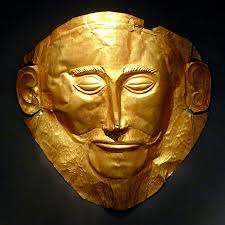
Agamemnon, the arrogant and power-hungry king of the Greeks, serves as a catalyst for much of the conflict in The Iliad. His decision to claim Achilles’ war prize, the maiden Briseis, sparks the feud between Achilles and himself, leading to dire consequences for the Greek army. Agamemnon’s flawed leadership highlights the destructive nature of unchecked authority.
Here’s a character analysis of Agamemnon:
- Authority and Leadership: Agamemnon holds the highest position of authority among the Greeks, serving as the king of Mycenae and the commander-in-chief of the Greek army. As the leader of the coalition against Troy, he wields considerable power and influence, making crucial decisions that shape the course of the war.
- Ambition and Pride: Agamemnon is characterized by his ambition and pride, which often lead him into conflict with other characters, particularly Achilles. His decision to seize Achilles’ prize, Briseis, triggers a bitter feud between the two warriors and sets off a chain of events that have dire consequences for the Greek army. Agamemnon’s stubbornness and arrogance contribute to the discord and disunity among the Greeks, undermining their efforts in the war.
- Flawed Leadership: Despite his position of authority, Agamemnon’s leadership is frequently called into question throughout the poem. His rash decisions and selfish actions alienate his allies and jeopardize the Greek cause. His inability to resolve conflicts diplomatically exacerbates tensions within the Greek camp, weakening their cohesion and morale.
- Contrast with Achilles: Agamemnon serves as a foil to Achilles, highlighting the differences in their character traits and values. While Achilles prioritizes personal glory and honor, Agamemnon’s actions are driven more by political considerations and the desire for power. Their contentious relationship reflects larger themes of pride, ego, and the consequences of unchecked ambition.
- Redemption and Growth: Despite his flaws, Agamemnon undergoes a degree of redemption and growth over the course of the poem. He recognizes the error of his ways and attempts to reconcile with Achilles, acknowledging the importance of unity and cooperation in the face of their common enemy. His willingness to admit his mistakes and seek reconciliation demonstrates a degree of humility and maturity that was lacking earlier in the narrative.
Patroclus

Patroclus, Achilles’ loyal companion, plays a pivotal role in the narrative as his death ignites Achilles’ fury and drives the plot towards its climax. Patroclus’ tragic demise serves as a stark reminder of the human cost of war and the bonds of friendship that transcend mortality.
Here’s a character analysis of Patroclus:
- Friendship and Loyalty: Patroclus is best known for his deep and unwavering friendship with Achilles. He is depicted as Achilles’ closest companion and confidant, sharing a bond that surpasses mere camaraderie. Their relationship is characterized by mutual respect, trust, and loyalty, with Patroclus often serving as Achilles’ voice of reason and conscience.
- Compassion and Empathy: Unlike Achilles, whose pride and anger often cloud his judgment, Patroclus is portrayed as a compassionate and empathetic figure. He is deeply affected by the suffering of his fellow Greeks and seeks to alleviate their pain, even at great personal risk. His empathy towards others highlights his altruistic nature and underscores his humanity amidst the brutality of war.
- Courage in Battle: Despite lacking the legendary prowess of Achilles, Patroclus is a skilled warrior in his own right. He demonstrates courage and valor on the battlefield, fighting alongside the Greeks against the Trojans and distinguishing himself through acts of bravery. His decision to don Achilles’ armor and lead the Myrmidons into battle, despite knowing the risks involved, showcases his selflessness and dedication to his comrades.
- Tragic Fate: Patroclus meets a tragic end during the Trojan War, killed by the Trojan prince Hector in single combat. His death serves as a turning point in the narrative, igniting Achilles’ fury and driving him to rejoin the fighting in a quest for vengeance. Patroclus’ demise not only devastates Achilles but also underscores the harsh realities of war and the fragility of life.
- Symbol of Sacrifice: Patroclus’ death serves as a powerful symbol of sacrifice and heroism. His willingness to lay down his life for the greater good reflects the noblest ideals of heroism and selflessness. His memory lives on as a source of inspiration for Achilles and the other Greek warriors, motivating them to continue the fight against the Trojans in his honor.
Priam
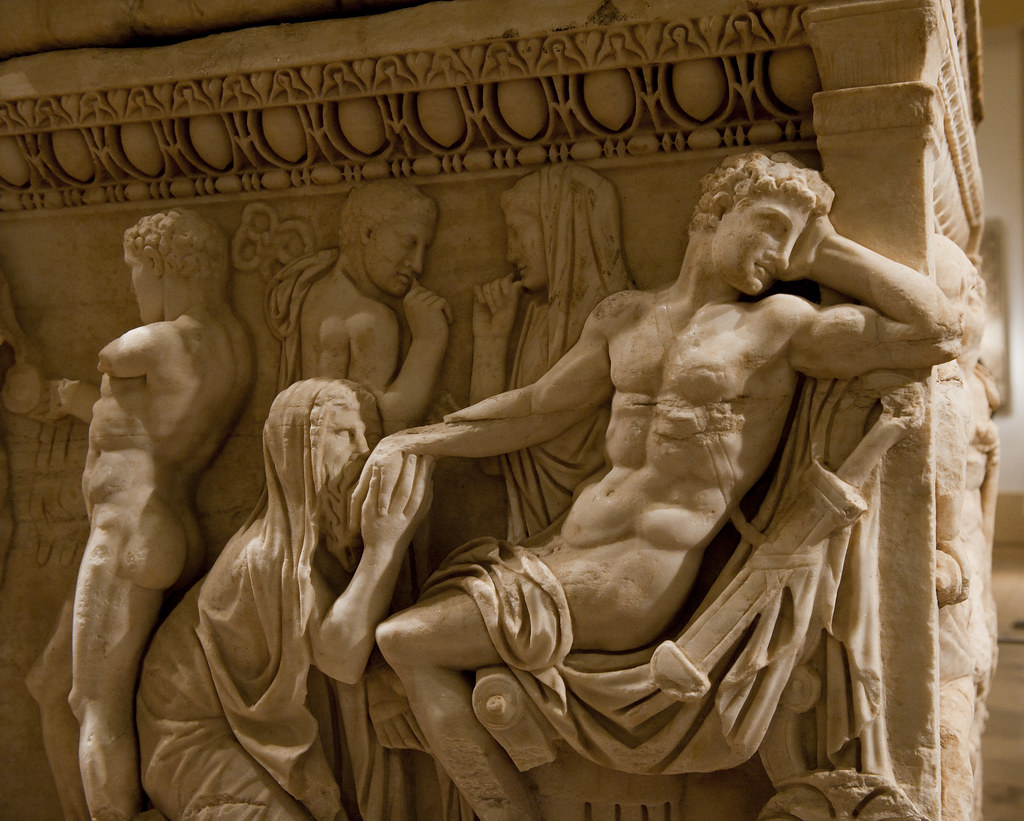
Priam, the aging king of Troy, represents the wisdom and compassion often associated with old age. His desperate plea to Achilles for the return of Hector’s body humanizes both characters and underscores the universal themes of grief and forgiveness.
Here’s a character analysis of Priam:
- Wisdom and Experience: Priam is depicted as a wise and experienced ruler, possessing a keen understanding of politics, diplomacy, and human nature. He navigates the complexities of the Trojan War with shrewdness and pragmatism, seeking to protect his city and his family from the ravages of conflict. His leadership is characterized by a blend of authority, compassion, and foresight.
- Fatherly Love and Devotion: Priam’s most notable trait is his deep love and devotion to his children, particularly his eldest son, Hector. He is profoundly affected by Hector’s death and mourns his loss with genuine grief and sorrow. Priam’s paternal instincts drive him to undertake a perilous journey to the Greek camp in order to ransom Hector’s body from Achilles, demonstrating the lengths to which he will go to honor his son’s memory and provide him with a proper burial.
- Humility and Vulnerability: Despite his royal status, Priam is not immune to feelings of vulnerability and humility. His encounter with Achilles in the Greek camp reveals his willingness to set aside his pride and ego in pursuit of a greater purpose. He approaches Achilles as a supplicant, acknowledging his own mortality and appealing to Achilles’ sense of humanity and compassion. This moment of vulnerability humanizes Priam and underscores the universal themes of grief, loss, and reconciliation.
- Symbol of Peace and Redemption: Priam’s journey to the Greek camp serves as a powerful symbol of peace and redemption amidst the chaos of war. His act of reconciliation with Achilles transcends the boundaries of enmity and division, offering a glimpse of common humanity and shared suffering. Through their poignant exchange, Priam and Achilles find solace and understanding in each other’s pain, highlighting the transformative power of empathy and forgiveness.
- Legacy and Leadership: Priam’s legacy extends beyond his role as a king and a father. His actions and decisions shape the destiny of Troy and leave a lasting imprint on the collective memory of the Trojan War. His leadership, characterized by wisdom, compassion, and resilience, serves as a source of inspiration for future generations, symbolizing the enduring virtues of dignity, integrity, and compassion in the face of adversity.
Analysis of The Iliad
The Iliad is more than just a tale of ancient warfare; it is a timeless exploration of the human condition and the moral complexities of conflict. Homer’s epic masterpiece offers profound insights into the nature of heroism, the capriciousness of fate, and the enduring power of storytelling.
Themes
- War and its Effects: The most obvious theme of “The Iliad” is the destructive nature of war. Homer vividly depicts the brutality and chaos of battle, showing how it ravages lives and communities on both sides of the conflict. The poem reflects on the human cost of war, exploring its psychological, emotional, and physical toll on soldiers and civilians alike.
- Heroism and Honor: “The Iliad” celebrates the heroic ideals of courage, honor, and glory. Heroes like Achilles, Hector, and Ajax are admired for their bravery and martial prowess, earning fame and recognition for their deeds on the battlefield. Honor is a driving force for many characters, shaping their actions and decisions throughout the poem.
- Fate and Destiny: The concept of fate plays a central role in “The Iliad,” as characters grapple with the inevitability of their destinies. The gods intervene in human affairs, influencing the course of events and determining the fates of mortals. Despite their efforts to defy or escape fate, characters are ultimately subject to the whims of the gods and the inexorable workings of destiny.
- Mortality and Immortality: “The Iliad” explores the tension between mortal life and divine immortality. While mortals like Achilles and Hector seek to achieve lasting fame and glory through their heroic deeds, the gods possess eternal life and power beyond the reach of mere mortals. The poem reflects on the fleeting nature of human existence and the quest for immortality through acts of valor and remembrance.
- Grief and Loss: Loss and mourning are pervasive themes in “The Iliad,” as characters grapple with the death of loved ones and the devastation of war. The poem portrays the profound grief experienced by characters like Achilles, Priam, and Andromache, highlighting the emotional toll of loss and the struggle to find meaning and solace amidst tragedy.
- Unity and Division: “The Iliad” examines the dynamics of unity and division within human society. While the Greeks and Trojans are united in their shared humanity and experiences of war, they are also divided by cultural, political, and personal conflicts. The poem explores the consequences of division and discord, as well as the potential for reconciliation and understanding amidst adversity.
Symbolism
- The Shield of Achilles: Crafted by the god Hephaestus, the shield of Achilles is a prominent symbol in “The Iliad.” It serves as a microcosm of the world, depicting scenes of human life, including war, peace, agriculture, and civilization. The shield symbolizes the cyclical nature of life and the interconnectedness of human experience, reflecting both the beauty and the brutality of existence.
- The Trojan Horse: Perhaps the most famous symbol from the Trojan War, the Trojan Horse represents deception and betrayal. The Greeks use the horse as a ruse to infiltrate Troy’s defenses, leading to the city’s eventual downfall. The Trojan Horse symbolizes the dangers of overconfidence and the unforeseen consequences of deceitful actions.
- Armor and Weapons: Throughout “The Iliad,” armor and weapons serve as symbols of status, power, and identity. Heroes like Achilles and Hector are defined by their distinctive armor and weaponry, which reflect their prowess in battle and their social standing within their respective societies. The exchange or capture of armor becomes a symbolic act of triumph or defeat on the battlefield.
- The River Styx: In Book 22 of “The Iliad,” Achilles pursues Hector around the walls of Troy, eventually leading to their confrontation at the river Styx. The river Styx symbolizes the boundary between life and death, as well as the realm of the gods. Achilles’ pursuit of Hector to the river’s edge underscores the inevitability of mortality and the futility of trying to escape one’s fate.
- Animal Imagery: Homer frequently employs animal imagery to characterize individuals and convey deeper meanings. For example, Achilles is compared to a lion on the battlefield, symbolizing his ferocity and strength. Similarly, Hector is likened to a hunted deer, evoking sympathy for his tragic fate. Animal imagery serves to highlight the primal and instinctual aspects of human nature, as well as the brutality of war.
- The Gods: The gods and goddesses in “The Iliad” serve as symbolic representations of various aspects of human existence, such as love, war, wisdom, and fate. Their interactions with mortals reflect larger themes of divine intervention, destiny, and the relationship between gods and humanity. The gods’ presence in the narrative adds layers of complexity and meaning to the events of the Trojan War.
Comparison with Other Texts
- The Odyssey:
- Both “The Iliad” and “The Odyssey” are attributed to Homer and are foundational works of ancient Greek literature.
- While “The Iliad” focuses on the Trojan War and the wrath of Achilles, “The Odyssey” follows the journey of Odysseus as he attempts to return home to Ithaca after the war.
- “The Odyssey” explores themes of heroism, hospitality, and the quest for homecoming, contrasting with the themes of war and honor in “The Iliad.”
- Both epics feature interactions between mortals and gods, but “The Odyssey” places greater emphasis on divine intervention and supernatural elements.
- Christianity/ The Bible:
- “The Iliad” predates Christianity by several centuries and is rooted in ancient Greek mythology and religion.
- While “The Iliad” depicts a pantheon of gods and goddesses who meddle in human affairs, Christianity centers around monotheism and the worship of a single deity.
- “The Iliad” explores themes of fate, mortality, and the human condition within a polytheistic framework, whereas Christianity emphasizes themes of sin, redemption, and salvation through the teachings of Jesus Christ.
- Despite these differences, both “The Iliad” and Christianity grapple with questions of morality, mortality, and the nature of divinity.
- The Aeneid:
- “The Aeneid” is an epic poem written by the Roman poet Virgil, inspired by both “The Iliad” and “The Odyssey.”
- Like “The Iliad,” “The Aeneid” portrays the heroism and struggles of warriors during the Trojan War, but it also follows the journey of Aeneas, a Trojan prince who becomes the legendary ancestor of Rome.
- “The Aeneid” explores themes of destiny, duty, and the founding of a new empire, reflecting the political and cultural aspirations of Rome.
- While “The Iliad” ends with the fall of Troy, “The Aeneid” continues the story, tracing Aeneas’ journey to Italy and the eventual establishment of Rome.
- The Song of Achilles:
- “The Song of Achilles” is a modern retelling of “The Iliad” by Madeline Miller, focusing on the relationship between Achilles and Patroclus.
- Like “The Iliad,” “The Song of Achilles” explores themes of love, friendship, honor, and the consequences of war, but it places greater emphasis on the personal and emotional aspects of the characters’ experiences.
- “The Song of Achilles” offers a reinterpretation of Achilles’ character, portraying him as more vulnerable and complex than in the original epic.
- While “The Iliad” is steeped in ancient Greek mythology and cultural context, “The Song of Achilles” reflects modern sensibilities and perspectives, resonating with contemporary readers in new ways.
Conclusion
Homer’s The Iliad stands as a monumental achievement in the annals of world literature, offering a captivating blend of epic storytelling, profound themes, and memorable characters. Through its rich tapestry of war, heroism, and divine intervention, The Iliad invites readers to ponder the timeless questions of fate, free will, and the nature of humanity itself. As we continue to grapple with the complexities of the modern world, Homer’s timeless epic serves as a beacon of wisdom and insight, reminding us of the enduring power of storytelling to illuminate the human experience.
Are you struggling to meet assignment deadlines due to time constraints?
Last-minute cramming can lead to stress and subpar work. Our academic writing services offer timely support to help you stay on track and submit polished assignments. With our help, you can manage your time more effectively and ensure your assignments reflect your best effort.
FAQs
What is The Iliad?
The Iliad is an ancient Greek epic poem attributed to the legendary poet Homer. It is one of the oldest works of Western literature and is considered a cornerstone of the Western literary canon.
What is the plot of The Iliad?
The Iliad recounts a portion of the Trojan War, focusing on the wrath of Achilles and its consequences. The poem begins with Achilles’ feud with Agamemnon and culminates in his eventual reconciliation with King Priam of Troy after the death of Hector.
Who are the main characters in The Iliad?
The main characters in The Iliad include Achilles, the greatest Greek warrior; Hector, the noble prince of Troy; Agamemnon, the leader of the Greek army; Patroclus, Achilles’ close companion; and Priam, the king of Troy.
What are the major themes of The Iliad?
The Iliad explores themes such as heroism, fate vs. free will, the role of the gods in human affairs, and the tragic nature of war. It explores questions of honor, glory, and the complexities of the human condition.
Why is The Iliad considered important?
The Iliad is revered for its profound insights into human nature, its exploration of timeless themes, and its masterful storytelling. It has had a profound influence on Western literature and culture, shaping the way we understand and interpret the world.
Who wrote The Iliad?
The authorship of The Iliad is traditionally attributed to Homer, a legendary Greek poet believed to have lived in the 8th century BCE. However, there is ongoing debate among scholars about the true authorship and origins of the poem.
Is The Iliad based on historical events?
While The Iliad is inspired by the legendary Trojan War, scholars believe that it is a work of fiction rather than a historical account. However, it likely contains elements of historical truth mixed with myth and legend.
What is the significance of Achilles’ wrath in The Iliad?
Achilles’ wrath at the beginning of the poem sets the narrative in motion and drives much of the action. His refusal to fight after a dispute with Agamemnon leads to a series of events that ultimately shape the course of the Trojan War.
How long is The Iliad?
The Iliad consists of 24 books (or chapters) and is approximately 15,000 lines of verse in its original Greek form. The length may vary slightly depending on the translation.
Where can I read The Iliad?
The Iliad is available in many translations and editions, and it can be found in bookstores, libraries, and online retailers. Popular translations include those by Robert Fagles, Richmond Lattimore, and Emily Wilson.