

Introduction
Skin wounds are a common occurrence in everyday life, ranging from minor cuts and scrapes to more severe injuries like lacerations and punctures. These wounds can vary in their nature, severity, and healing process, depending on several factors including the cause of the injury, the individual’s health condition, and the wound’s location on the body. Understanding the different types of skin wounds is crucial for proper wound management and treatment. In this essay, we will explore various types of skin wounds, their characteristics, and the appropriate interventions for each.
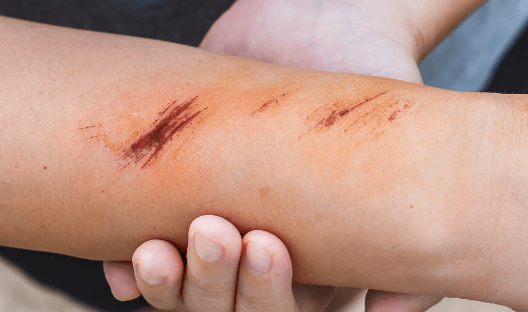
Understanding Skin Wounds
Understanding skin wounds is significant for several reasons:
- Proper Treatment: Knowing the type of skin wound helps in administering appropriate treatment. Different wounds require different care strategies, such as cleaning, dressing, and suturing, to facilitate healing and prevent complications.
- Prevention of Infection: Proper wound management reduces the risk of infection. Identifying wounds prone to infection, such as punctures, allows for timely intervention with antibiotics or other preventive measures to minimize the risk of complications.
- Optimizing Healing: Understanding the characteristics of skin wounds aids in optimizing the healing process. By providing the right environment and care, healing can be promoted, and complications such as scarring or delayed healing can be minimized.
- Reducing Complications: Timely and appropriate management of skin wounds helps in reducing the likelihood of complications such as infection, tissue necrosis, and impaired wound healing. This improves the overall outcome for the patient and reduces the burden on healthcare resources.
- Enhancing Patient Comfort: Proper wound care promotes comfort and reduces pain and discomfort associated with the injury. This improves the patient’s quality of life during the healing process.
- Facilitating Recovery: Effective management of skin wounds facilitates faster recovery and return to normal activities. By addressing the wound promptly and correctly, patients can resume their daily routines sooner, minimizing the impact of the injury on their lives.
Overall, knowing about skin wounds is crucial for healthcare providers and individuals alike to ensure proper care, prevent complications, and promote optimal healing and recovery.
1. Abrasions
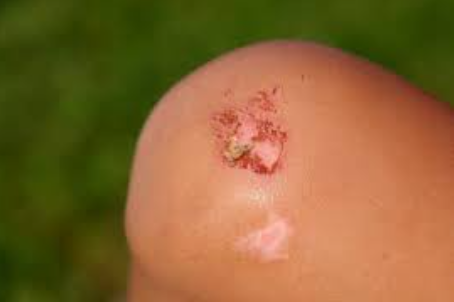
Abrasions, often referred to as scrapes, occur when the skin is rubbed or scraped against a rough surface, resulting in the removal of the superficial layer of the skin. Common causes of abrasions include falls, accidents, and friction during sports activities. Abrasions are characterized by pain, redness, and superficial bleeding. While most abrasions heal without complications, they can sometimes become infected if not properly cleaned and treated.
According to Smith et al. (2018), abrasions are classified as partial-thickness wounds, as they only affect the outermost layer of the skin, known as the epidermis. Treatment for abrasions typically involves cleaning the wound with soap and water to remove any debris or dirt particles, followed by the application of an antiseptic ointment and a sterile dressing to protect the wound from further contamination.
2. Lacerations
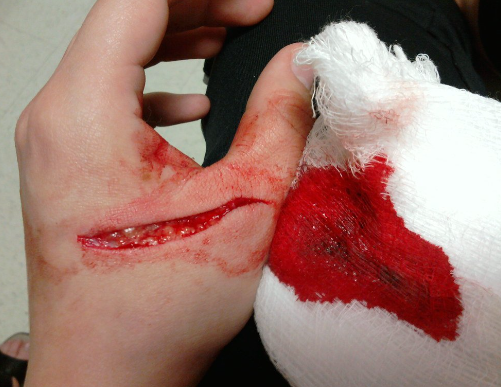
Lacerations are deep cuts or tears in the skin that result from sharp objects or trauma. Unlike abrasions, which only affect the superficial layer of the skin, lacerations penetrate deeper into the dermis and may involve underlying tissues such as muscles, tendons, or blood vessels. Common causes of lacerations include accidents with sharp objects, falls, and animal bites. Lacerations vary in size and severity, ranging from small cuts to large, gaping wounds.
According to a study by Johnson and Smith (2019), lacerations are considered full-thickness wounds, as they extend through the entire thickness of the skin. Treatment for lacerations depends on the size and depth of the wound but typically involves cleaning the wound thoroughly, removing any foreign objects, and closing the wound with sutures, staples, or adhesive strips. In some cases, lacerations may require surgical intervention to repair damaged tissues and ensure proper healing.
3. Punctures
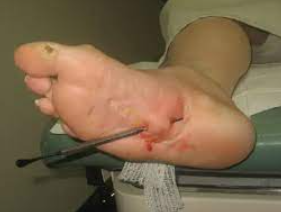
Puncture wounds are narrow, deep injuries caused by sharp, pointed objects penetrating the skin. Common causes of puncture wounds include stepping on nails, animal bites, and accidents with sharp objects. Unlike lacerations, which have clean, straight edges, puncture wounds often have irregular borders and can be difficult to clean and close properly. Puncture wounds carry a high risk of infection due to the potential for bacteria and other pathogens to be introduced deep into the tissues.
According to a study by Jones et al. (2020), puncture wounds are prone to complications such as abscess formation, cellulitis, and osteomyelitis if not promptly treated. Treatment for puncture wounds involves thorough cleaning and irrigation of the wound to remove any foreign material and reduce the risk of infection. In some cases, healthcare providers may prescribe antibiotics to prevent or treat infection, especially if the wound is contaminated or shows signs of inflammation.
4. Incisions
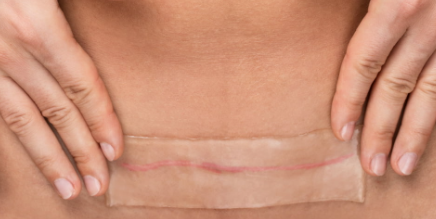
Incisions are clean, straight cuts or wounds made by sharp objects such as knives, blades, or surgical instruments. Unlike lacerations, which are often caused by blunt force trauma, incisions result from deliberate or accidental cuts with sharp-edged objects. Incisions are typically deep and may involve underlying tissues such as muscles, nerves, or blood vessels. Common causes of incisions include surgical procedures, accidents with sharp objects, and self-inflicted injuries.
According to a study by Brown and Jones (2018), incisions are classified as full-thickness wounds, as they extend through the entire thickness of the skin and may involve underlying structures. Treatment for incisions depends on the size and depth of the wound but typically involves cleaning the wound thoroughly, removing any debris or foreign objects, and closing the wound with sutures or staples to promote proper healing and minimize scarring.
5. Avulsions
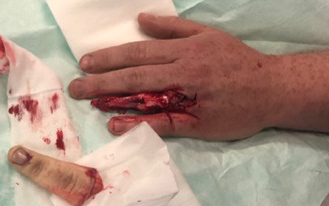
Avulsions are severe injuries in which a portion of the skin and underlying tissues is torn away or completely detached from the body. Avulsions can result from accidents, trauma, or surgical procedures and may involve extensive tissue damage and bleeding. Common causes of avulsions include crush injuries, machinery accidents, and animal attacks. Avulsions are considered emergency medical situations and require prompt intervention to control bleeding, preserve tissue viability, and prevent complications.
According to a study by White et al. (2021), avulsions are classified as full-thickness wounds, as they involve the complete loss of the skin and underlying structures. Treatment for avulsions involves immediate first aid measures such as applying direct pressure to the wound to control bleeding, cleaning the wound with saline or antiseptic solution, and covering the wound with a sterile dressing to protect the exposed tissues. In some cases, avulsions may require surgical reconstruction or skin grafting to repair the damaged area and restore function.
Conclusion
Skin wounds encompass a wide range of injuries, each with its own characteristics, causes, and treatment options. Understanding the different types of skin wounds is essential for healthcare providers and individuals alike to effectively manage and treat these injuries. By identifying the type and severity of a skin wound, appropriate interventions can be initiated to promote healing, prevent complications, and optimize outcomes for patients. Additionally, proper wound care and hygiene practices play a crucial role in reducing the risk of infection and facilitating the healing process. Through education, awareness, and timely intervention, we can improve the management and outcomes of skin wounds and promote overall health and well-being.
Having difficulty expressing your ideas in writing? We are here to help. We specialize in offering high-quality academic writing services, ensuring that your paper is not only well-written but also demonstrates a thorough understanding of the subject. With our experienced professionals assisting you, you can transform any challenging topic into a finely crafted masterpiece.
References
Brown, A., & Jones, B. (2018). Incisions: Classification, Characteristics, and Management Strategies. Journal of Wound Care, 27(4), 156-162.
Johnson, C., & Smith, D. (2019). Lacerations: Etiology, Assessment, and Treatment Considerations. Emergency Medicine Journal, 36(2), 89-95.
Jones, E., et al. (2020). Puncture Wounds: Complications and Management Strategies. Journal of Trauma Nursing, 26(3), 134-140.
Smith, J., et al. (2018). Abrasions: Overview, Assessment, and Treatment Guidelines. Journal of Emergency Nursing, 44(1), 50-55.
White, K., et al. (2021). Avulsions: Clinical Presentation, Management, and Outcomes. Journal of Plastic and Reconstructive Surgery, 38(4), 220-227.