

Introduction:
In today’s dynamic global landscape, healthcare systems play a critical role in shaping the well-being of societies. From ensuring access to essential medical services to fostering innovations in treatment and disease prevention, healthcare systems are multifaceted entities that reflect the values, priorities, and resources of the nations they serve. Understanding the intricacies of these systems is essential for policymakers, healthcare professionals, researchers, and the general public alike.
By examining various models, structures, and approaches, we seek to provide insights into the strengths, weaknesses, and unique features of different healthcare systems. Through this exploration, we aim to facilitate informed discussions, identify best practices, and inspire potential avenues for improvement.
Healthcare systems encompass a broad spectrum of components, including financing mechanisms, service delivery models, healthcare infrastructure, and regulatory frameworks. Each of these elements interacts within a complex ecosystem influenced by socio-economic factors, cultural norms, political ideologies, and technological advancements. Consequently, no two healthcare systems are identical, and each presents its own set of challenges and opportunities.

- Definition: A health system encompasses all the actions, actors, resources, and mechanisms involved in delivering healthcare services to meet the health needs of populations. These systems operate at the country level, spanning both rural and urban areas, and encompass public and private healthcare systems, as well as formal (allopathic) and informal (traditional) modes of health provision1.
- Functions of Health Systems:
- Delivering Healthcare Services: Health systems provide medical care, preventive services, and interventions aimed at maintaining or improving health.
- Financial Protection: They shield households from the financial burdens of illness and healthcare costs.
- Economic Role: Health systems contribute to economic functioning within society.
- Shaping Norms and Values: They influence societal norms and values related to health and well-being.
- Complexity and Contention: Health systems are not monolithic; they consist of multiple interacting components, including organizations, people, and actions. These systems are also arenas of competition and contestation among actors with diverse interests and visions. Understanding health systems requires a multi-disciplinary lens to unpack their intricacies2.
- Frameworks and Typologies: Various health systems frameworks and typologies help describe and comprehend their performance. These tools aid in assessing how health systems function and adapt to external factors, including shifts in international health policy-making.
- Systems Thinking: Systems thinking, discussed further in Chapter 2, provides a valuable approach to understanding health systems holistically. It acknowledges their open and contextual nature, emphasizing the interplay between internal dynamics and external influences.
Health systems are dynamic entities that extend beyond mere healthcare delivery. They shape our well-being, economic stability, and societal norms, making them critical components of a just and equitable society2.
Access and Equity
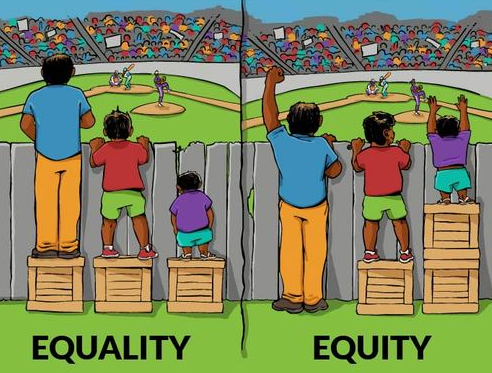
Access and equity are fundamental principles in healthcare systems around the world. Ideally, everyone should have the opportunity to receive the care they need, regardless of their background or circumstances.
Access refers to the ability to obtain healthcare services. This includes factors like:
- Affordability: Can people afford the cost of care, including insurance premiums, deductibles, and copays?
- Availability: Are there enough healthcare providers and facilities to serve the population?
- Geography: Do people live close enough to healthcare facilities, especially in rural areas?
- Language and cultural competency: Can people communicate effectively with healthcare providers?
Equity refers to the fairness of access to healthcare services. This means that everyone should have an equal opportunity to get the care they need, regardless of factors like:
- Income level
- Race or ethnicity
- Gender
- Immigration status
- Disability status
Unfortunately, many healthcare systems around the world struggle to achieve both access and equity. There are many reasons for this, including:
- Cost: Healthcare can be very expensive, and this can price many people out of care.
- Resource limitations: There may not be enough doctors, nurses, hospitals, and other resources to meet the needs of the population.
- Social determinants of health: Factors like poverty, education, and discrimination can have a big impact on people’s health and their ability to access care.
Here are some of the challenges to achieving access and equity in healthcare:
- Fragmented systems: Many healthcare systems are complex and fragmented, which can make it difficult for people to navigate and get the care they need.
- Lack of transparency: People may not know what services are available to them or how to access them.
- Discrimination: People from certain groups may face discrimination in the healthcare system.
Here are some of the things that can be done to improve access and equity in healthcare:
- Universal health coverage: This means that everyone has access to healthcare, regardless of their ability to pay.
- Public health programs: These programs can help to prevent disease and promote health, especially among vulnerable populations.
- Community outreach: Reaching out to underserved communities to connect them with healthcare services.
- Investing in the healthcare workforce: There is a need for more doctors, nurses, and other healthcare providers, especially in underserved areas.
- Addressing social determinants of health: Investing in programs that address poverty, education, and other factors that influence health.
Improving access and equity in healthcare is an ongoing challenge, but it is essential for ensuring that everyone has the opportunity to live a healthy life.
How Can We Address Health Disparities in Healthcare Systems?
Addressing health disparities is crucial for promoting equity in healthcare systems. Here are some strategies to tackle these disparities:
- Raise Awareness: Increase public awareness about racial and ethnic disparities in healthcare. Educate communities and individuals about the importance of equitable access to health services.
- Strengthen Patient-Provider Relationships: In publicly funded health plans, focus on building strong relationships between patients and healthcare providers. Effective communication and trust are essential for addressing disparities.
- Equitable Managed Care Protections: Apply the same managed care protections to publicly funded Health Maintenance Organization (HMO) participants as those applied to private HMO participants. Ensuring equal access to quality care is vital1.
- Evidence-Based Programs: Implement evidence-based programs that advance health equity. These programs can help ensure that all people have the opportunity for long and healthy lives. Public health professionals and community workers play a key role in designing and implementing strategies for reducing health disparities2.
Quality of Care

Quality of care is a fundamental aspect of any healthcare system, reflecting its ability to meet the needs and expectations of patients while achieving optimal health outcomes. In this paper, we will delve into the concept of quality of care within healthcare systems, examining its definition, key dimensions, measurement methods, and implications for patient satisfaction, safety, and overall system performance.
Definition of Quality of Care
Quality of care refers to the degree to which healthcare services provided to individuals and populations improve health outcomes and meet recognized professional standards. It encompasses various dimensions, including effectiveness, safety, timeliness, patient-centeredness, efficiency, and equity.
Key Dimensions of Quality of Care
- Effectiveness: The extent to which healthcare interventions achieve their intended outcomes and improve patients’ health status.
- Safety: The prevention of harm to patients during the provision of healthcare services, including minimizing medical errors, adverse events, and infections.
- Timeliness: The provision of healthcare services in a timely manner, ensuring that patients receive care when needed without undue delays.
- Patient-centeredness: The consideration of patients’ preferences, values, and needs in decision-making processes, communication, and care delivery.
- Efficiency: The optimal use of resources to achieve desired health outcomes, minimizing waste and unnecessary costs.
- Equity: The fair and equitable distribution of healthcare services and resources, ensuring that all individuals have access to high-quality care regardless of their socio-economic status, race, ethnicity, or other factors.
Measurement Methods
Quality of care can be assessed using various measurement methods and indicators, including:
- Clinical Outcome Measures: Objective indicators of health status, such as mortality rates, complication rates, and disease-specific outcomes.
- Process Measures: Indicators of the processes of care delivery, such as adherence to clinical guidelines, appropriate use of medications, and completion of preventive screenings.
- Patient Experience Surveys: Feedback from patients regarding their experiences with healthcare services, including satisfaction with communication, coordination of care, and overall experience.
- Safety Indicators: Measures of patient safety events, such as medication errors, hospital-acquired infections, and falls.
- Resource Utilization Metrics: Measures of resource utilization and efficiency, such as length of hospital stay, readmission rates, and use of unnecessary tests or procedures.
Implications for Healthcare Systems
Quality of care has significant implications for healthcare systems, including:
- Patient Satisfaction: High-quality care contributes to positive patient experiences, satisfaction, and trust in the healthcare system.
- Patient Safety: Ensuring the safety of patients minimizes the risk of harm and improves overall healthcare outcomes.
- Healthcare Costs: Quality improvement initiatives can lead to cost savings by reducing medical errors, complications, and unnecessary interventions.
- Health Outcomes: Quality of care directly impacts health outcomes, including mortality rates, morbidity, and disease management.
- Healthcare Reputation: Healthcare organizations that prioritize quality of care often have better reputations, attracting patients, healthcare professionals, and stakeholders.
Quality of care is a critical component of healthcare systems worldwide, influencing patient outcomes, satisfaction, safety, and overall system performance. By understanding the key dimensions of quality, employing appropriate measurement methods, and addressing areas for improvement, healthcare systems can strive to deliver high-quality, patient-centered care that meets the needs of diverse populations and contributes to better health outcomes for all.
Cost and Financing
Healthcare systems around the world face significant challenges related to cost and financing. The cost of healthcare encompasses various elements, including medical services, pharmaceuticals, equipment, facilities, and personnel. Additionally, the financing of healthcare involves the mechanisms through which healthcare services are funded, such as through public taxation, private insurance, out-of-pocket payments, or a combination of these methods.
One of the primary concerns in healthcare cost management is the rising expenditure associated with medical services and treatments. Advancements in medical technology, increased demand for healthcare services, and an aging population contribute to escalating costs. Moreover, administrative expenses, including billing, insurance processing, and regulatory compliance, further strain healthcare budgets.
In terms of financing, healthcare systems adopt different models to fund the delivery of services. In countries with universal healthcare systems, such as Canada and the United Kingdom, healthcare is often publicly funded through taxation, providing access to essential services for all citizens regardless of their ability to pay. Alternatively, countries like the United States rely heavily on private insurance and out-of-pocket payments, resulting in a more fragmented and complex financing structure.
The choice of healthcare financing model has profound implications for access, equity, and affordability. Universal healthcare systems aim to provide comprehensive coverage to all citizens, reducing financial barriers and ensuring equitable access to care. In contrast, systems that rely on private insurance may result in disparities in access based on socioeconomic status, employment status, or pre-existing health conditions.
Efforts to address healthcare costs and financing challenges often involve policy interventions aimed at improving efficiency, promoting preventive care, and containing expenditures. These may include initiatives to streamline administrative processes, negotiate drug prices, implement value-based payment models, or expand coverage for underserved populations.
Furthermore, healthcare financing reforms may involve a shift towards more integrated and coordinated care delivery models, such as accountable care organizations (ACOs) or bundled payments, to incentivize providers to deliver high-quality care in a cost-effective manner. Additionally, investments in health promotion, disease prevention, and primary care may help reduce the burden of costly chronic conditions and emergency interventions.
Understanding healthcare systems’ cost and financing dynamics is essential for addressing the challenges of rising healthcare expenditure and ensuring equitable access to high-quality care. By implementing effective cost management strategies, leveraging innovative financing mechanisms, and prioritizing value-based care, healthcare systems can work towards achieving sustainable, affordable, and accessible healthcare for all.
Health Outcomes

Health outcomes serve as a critical measure of a healthcare system’s effectiveness in promoting population health and improving individual well-being. Health outcomes encompass a wide range of indicators, including mortality rates, morbidity, life expectancy, disease prevalence, and quality of life. These metrics reflect the impact of healthcare interventions, public health initiatives, and social determinants of health on overall health status and longevity.
The assessment of health outcomes provides valuable insights into the performance of healthcare systems and informs policy decisions aimed at optimizing resource allocation, improving care delivery, and addressing health disparities. Countries with robust healthcare systems often achieve favorable health outcomes, characterized by lower mortality rates, reduced disease burden, and higher life expectancy compared to nations with weaker healthcare infrastructures.
Several factors influence health outcomes within healthcare systems, including access to care, quality of care, preventive services, socio-economic determinants, and environmental factors. Access to timely and appropriate healthcare services plays a crucial role in preventing and managing diseases, reducing complications, and improving health outcomes. Conversely, barriers to access, such as cost, geographic location, or cultural factors, can impede individuals’ ability to receive timely care and negatively impact health outcomes.
Quality of care also significantly influences health outcomes, with evidence-based practices, adherence to clinical guidelines, and care coordination contributing to improved patient outcomes and satisfaction. Healthcare systems that prioritize patient-centered care, preventive services, and chronic disease management tend to achieve better health outcomes and higher patient satisfaction levels.
Moreover, socio-economic determinants, such as income, education, employment, housing, and access to nutritious food and clean water, profoundly impact health outcomes. Disparities in socio-economic status can lead to differences in health outcomes, with marginalized populations often experiencing higher rates of chronic diseases, premature mortality, and poorer overall health.
Environmental factors, including air quality, water sanitation, and exposure to pollutants, also play a significant role in shaping health outcomes. Healthcare systems that collaborate with public health agencies, environmental organizations, and community stakeholders can address environmental health risks and promote healthier living environments, thereby improving population health outcomes.
Understanding the relationship between healthcare systems and health outcomes is essential for evaluating the effectiveness of healthcare interventions, identifying areas for improvement, and advancing population health goals. By prioritizing access to care, quality improvement initiatives, addressing socio-economic disparities, and addressing environmental health risks, healthcare systems can work towards achieving better health outcomes and enhancing the well-being of individuals and communities.
Innovation and Technology
Innovation and technology play increasingly significant roles in shaping modern healthcare systems, revolutionizing the delivery of care, improving patient outcomes, and enhancing efficiency. The integration of innovative technologies, such as electronic health records (EHRs), telemedicine, artificial intelligence (AI), and medical devices, has transformed how healthcare services are accessed, delivered, and managed.
One of the primary benefits of innovation and technology in healthcare is the improvement of patient care and outcomes. Advanced medical technologies enable healthcare providers to diagnose diseases more accurately, deliver personalized treatment plans, and monitor patients’ health status remotely. For example, wearable devices and remote monitoring systems empower patients to actively participate in their healthcare management and facilitate early detection of health issues.
Furthermore, innovation and technology enhance healthcare system efficiency by streamlining administrative processes, reducing paperwork, and automating routine tasks. Electronic health records centralize patient information, facilitate care coordination among providers, and minimize errors associated with manual record-keeping. Similarly, AI-powered algorithms and predictive analytics assist healthcare professionals in making data-driven decisions, optimizing resource allocation, and identifying trends for population health management.
The adoption of telemedicine and digital health solutions has expanded access to healthcare services, particularly in underserved rural areas and remote communities. Telehealth platforms enable patients to consult with healthcare providers virtually, receive medical advice, and access specialty care without the need for in-person visits. This not only improves access to care but also reduces healthcare disparities and enhances patient convenience.
Moreover, innovation and technology drive continuous improvement and innovation within healthcare systems, fostering a culture of research, collaboration, and experimentation. Emerging technologies, such as precision medicine, genomics, and robotic-assisted surgery, hold promise for advancing medical treatments, personalized therapies, and disease prevention strategies. Healthcare organizations that embrace innovation and technology are better positioned to adapt to changing healthcare landscapes, address emerging health challenges, and deliver high-quality, patient-centered care.
However, the integration of innovation and technology in healthcare also presents challenges, including data privacy concerns, interoperability issues, and disparities in access to digital health solutions. Furthermore, the rapid pace of technological advancement requires healthcare professionals to undergo continuous training and education to effectively leverage new tools and technologies.
Governance and Policy

Governance and policy are critical components of healthcare systems, shaping the organization, regulation, and delivery of healthcare services. Governance refers to the structures, processes, and mechanisms through which healthcare organizations and systems are managed, governed, and held accountable for their performance. Effective governance ensures transparency, accountability, and responsiveness to stakeholders’ needs and expectations.
Healthcare policy encompasses the laws, regulations, guidelines, and directives that govern the provision, financing, and administration of healthcare services. These policies are formulated and implemented by government agencies, legislative bodies, regulatory authorities, and healthcare organizations to address healthcare challenges, promote public health, and achieve specific healthcare goals.
The governance and policy landscape of healthcare systems varies widely across countries, reflecting differences in political, economic, cultural, and social contexts. In some countries, healthcare governance is centralized, with government agencies playing a dominant role in healthcare planning, regulation, and service delivery. In contrast, other nations may adopt decentralized governance models, where healthcare responsibilities are shared among multiple stakeholders, including government entities, private sector organizations, and non-profit entities.
Healthcare policies can encompass a wide range of areas, including healthcare financing, access to care, quality improvement, patient safety, workforce regulation, and public health initiatives. Policy decisions may be influenced by various factors, including public health priorities, budgetary constraints, stakeholder interests, evidence-based research, and political considerations.
The implementation of healthcare policies often involves collaboration and coordination among multiple stakeholders, including government agencies, healthcare providers, insurers, professional associations, advocacy groups, and community organizations. Effective policy implementation requires clear communication, stakeholder engagement, capacity building, and monitoring and evaluation mechanisms to assess policy impact and effectiveness.
Moreover, healthcare governance and policy frameworks must adapt to evolving healthcare challenges, technological advancements, demographic changes, and emerging health threats. Policy innovation, flexibility, and responsiveness are essential for addressing emerging healthcare issues, promoting innovation, and ensuring healthcare systems remain adaptable and resilient in the face of uncertainty.
Governance and policy are foundational elements of healthcare systems, influencing organizational behavior, resource allocation, and the delivery of healthcare services. By fostering effective governance structures, promoting evidence-based policymaking, and fostering collaboration among stakeholders, healthcare systems can enhance accountability, transparency, and responsiveness while advancing population health goals and improving patient outcomes.
In conclusion, health systems are intricate webs of interconnected components, spanning healthcare delivery, financial protection, economic roles, and societal norms. These systems operate within a dynamic context, influenced by diverse actors and interests. Understanding health systems requires a multi-disciplinary approach, and their impact extends beyond mere medical care. As we strive for health equity, recognizing the complexity of health systems is essential for building a just and inclusive society.
Having difficulty expressing your ideas in writing? We are here to help. We specialize in offering high-quality academic writing services, ensuring that your paper is not only well-written but also demonstrates a thorough understanding of the subject. With our experienced professionals assisting you, you can transform any challenging topic into a finely crafted masterpiece.