

Homer’s epic poem, The Iliad, is a great work of world literature that goes beyond its ancient Greek origins to speak to the core truths of human life. With its vivid characters, intense battle scenes, and powerful storytelling, The Iliad explores themes that have fascinated readers across different cultures and generations.
The main themes of honor, war, and fate are central to the story and influence the actions and destinies of the characters, both human and divine. Honor is a key value in the warrior culture of ancient Greece and drives the heroes to seek glory in battle and defend their pride. This relentless pursuit of honor, seen in characters like Achilles, pushes the story forward, causing conflicts and shaping events.
War, closely tied to the quest for honor, is depicted in all its harsh and vivid detail by Homer. The Iliad reveals the horrors and triumphs of battle, showing both human suffering and heroic bravery. Through its portrayal of the Trojan War, the epic challenges readers to think about the complexities of violence, sacrifice, and the heavy costs of conflict between nations and ideas.
Fate is a constant presence in the story, a force beyond human control that directs the destinies of even the greatest warriors and gods. In The Iliad, fate is woven into the narrative, reminding readers of the fragility of human life and the unstoppable forces that shape events.
Honor: The Driving Force of Mortal and Divine
At the core of “The Iliad” lies the concept of honor, a prized virtue in the world of ancient Greece. Honor, or “time” in Greek, was not merely a matter of personal reputation but a currency that dictated one’s status and worth in society. The quest for honor drives many of the characters’ actions in the epic, from Achilles’ relentless pursuit of glory to Hector’s steadfast defense of Troy.
Achilles: The Quest for Immortal Glory
Achilles, the central figure of “The Iliad,” epitomizes the pursuit of honor and glory. His decision to withdraw from battle in the face of Agamemnon’s perceived slight is driven by his desire to assert his own honor and dignity. Achilles’ refusal to fight not only undermines the Greek war effort but also serves as a challenge to the established order of power and authority within the Achaean camp.
In Book 9 of “The Iliad,” Achilles is offered lavish gifts and honors by Agamemnon in an attempt to reconcile their differences and persuade him to return to the battlefield. However, Achilles remains resolute in his refusal, stating, “But one prize I cherish / above the rest—to fight in the frontline ranks, / defending my father’s honor and my own” (Homer, 9.287-289). This declaration underscores Achilles’ unwavering commitment to his personal code of honor, prioritizing glory and valor above material wealth or political power.
Do you need more time to complete your assignments?
When time is short, quality can suffer. Our academic writing services can help you maintain high standards without sacrificing deadlines. Let our experienced writers handle your assignments, ensuring they are thorough, well-researched, and submitted on time.
Hector: The Defender of Troy
In contrast to Achilles, Hector embodies a different facet of honor—the defense of one’s homeland and family. As the prince of Troy, Hector is duty-bound to protect his city and its inhabitants from the invading Greek forces. Throughout the epic, Hector displays courage and valor on the battlefield, earning the respect and admiration of both his allies and adversaries.
Hector’s commitment to honor is exemplified in his final confrontation with Achilles outside the walls of Troy. Despite knowing that he is outmatched by the Greek hero, Hector chooses to stand his ground and face his fate with dignity and bravery. As he declares to Achilles, “I fear neither / you nor any man alive. / The day of my birth was fatal. / And all things are in the hands of fate” (Homer, 22.351-354). In this moment, Hector accepts the inevitability of his own death while reaffirming his allegiance to his principles of honor and duty.
War: The Brutal Realities and Consequences

“The Iliad” is set against the backdrop of the Trojan War, a decade-long conflict between the Greeks and the Trojans. While the epic celebrates the heroism and valor of its warriors, it also offers a sobering portrayal of the brutal realities of war and its profound impact on individuals and societies.
The Human Toll of Conflict
Throughout “The Iliad,” Homer does not shy away from depicting the visceral horrors of battle—the clashing of swords, the cries of the wounded, and the devastation wrought upon the land. War is portrayed as a chaotic and senseless endeavor, where the lines between friend and foe blur amidst the frenzy of combat.
One poignant example of the human toll of war is the death of Patroclus, Achilles’ beloved comrade-in-arms. In Book 16, Patroclus dons Achilles’ armor and enters the fray, hoping to inspire the Greek troops and turn the tide of battle. However, he is ultimately slain by Hector, unleashing a cascade of grief and vengeance that propels Achilles back into the conflict. Patroclus’ death serves as a stark reminder of the cost of warfare, as well as the bonds of loyalty and camaraderie forged on the battlefield.
The Futility of Conflict
Despite the valor and heroism displayed by its warriors, “The Iliad” also underscores the futility of war as a means of resolving disputes. The conflict between the Greeks and the Trojans is fueled by personal vendettas, territorial ambitions, and divine meddling, rather than any genuine desire for justice or reconciliation.
One of the most striking examples of this futility is the funeral games held in honor of Patroclus in Book 23. Amidst the solemn rituals and athletic competitions, the specter of war looms large, casting a shadow over the proceedings. As Achilles laments, “But why detail these dirges over him? / He is gone, and it is the lot of man / to endure suffering; God gives ease, / and God lays it on” (Homer, 23.95-98). In this moment of reflection, Achilles acknowledges the inevitability of human suffering and the transient nature of mortal existence, transcending the petty grievances of war.
Fate: The Immutable Will of the Gods
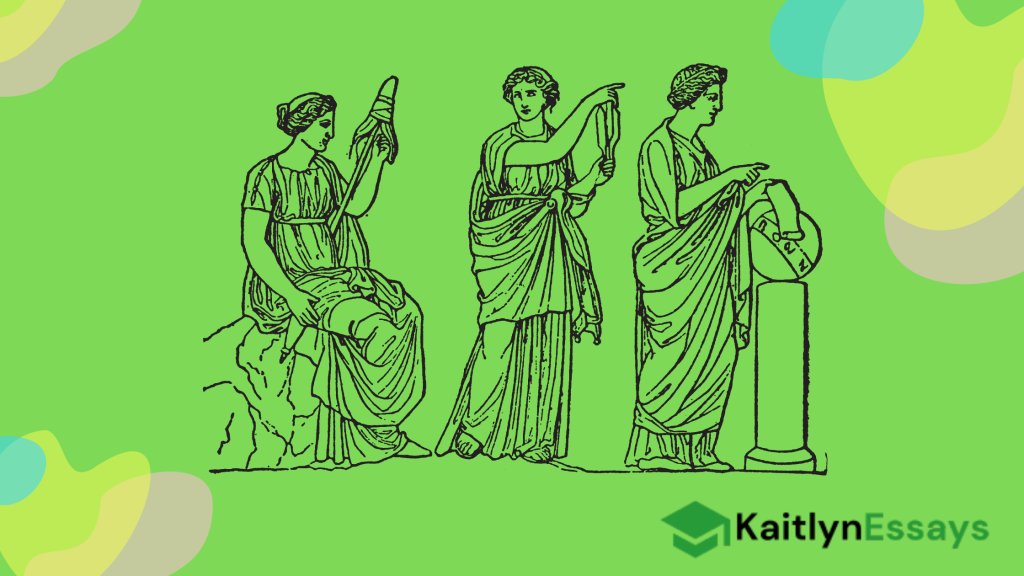
Central to the narrative of “The Iliad” is the concept of fate, or “moira” in Greek, which governs the destinies of gods and mortals alike. While mortals possess agency and free will, their actions are ultimately subject to the whims of the divine, who weave the threads of fate with inexorable precision.
The Role of the Gods
In “The Iliad,” the gods play an active and influential role in shaping the course of events, intervening in mortal affairs and manipulating the outcomes of battles. From Zeus, the king of the gods, to Athena, the goddess of wisdom and warfare, each deity exerts their own influence on the mortal realm, often with unpredictable consequences.
One example of divine intervention is the conflict between Achilles and Agamemnon in Book 1. When Agamemnon refuses to return Chryseis to her father, the priest of Apollo, the god Apollo unleashes a plague upon the Greek camp in retaliation. This divine punishment sets in motion a chain of events that culminates in Achilles’ withdrawal from battle, highlighting the interconnectedness of mortal actions and divine retribution.
The Paradox of Fate and Free Will
Throughout “The Iliad,” Homer grapples with the tension between fate and free will, presenting a universe where mortals are both bound by destiny and endowed with the power of choice. While the gods may dictate the overarching course of events, individuals still possess the agency to shape their own destinies through their actions and decisions.
One poignant example of this paradox is Achilles’ choice to rejoin the battle despite knowing that it will lead to his own death. In Book 18, Achilles declares, “I know my fate, / and the gods will soon fulfill it. / But I will not depart from battle / until I have given the Trojans / a taste of my spear” (Homer, 18.119-123). In this moment, Achilles embraces his own mortality while asserting his autonomy as a warrior, defying the dictates of fate with defiant resolve.
Conclusion
Homer’s “The Iliad” stands as a testament to the enduring power of storytelling and the complexities of the human experience. Through its exploration of honor, war, and fate, the epic offers profound insights into the nature of humanity and the eternal struggle for meaning in a world fraught with conflict and uncertainty. As we reflect on the themes woven throughout its verses, we are reminded of the timeless truths embedded within its pages, echoing across the ages as a beacon of wisdom and insight.
Are you running out of time to finish your assignments?
Juggling multiple responsibilities can leave you with little time to focus on your assignments. Our academic writing services are here to help you manage your workload effectively. With our fast and efficient writing support, you can submit well-written assignments on time, every time.
Works Cited
Homer. The Iliad. Translated by Robert Fagles, Penguin Classics, 1998
FAQs
What are the main themes of “The Iliad”?
The main themes of “The Iliad” include honor, war, fate, love, and the human condition.
How does honor drive the actions of the characters in “The Iliad”?
Honor is a central motivator for many characters in “The Iliad,” driving them to seek glory, defend their honor, and uphold their principles.
What role does war play in “The Iliad”?
War serves as the backdrop for the epic, showcasing the brutality, heroism, and consequences of armed conflict.
How does Homer depict the concept of fate in “The Iliad”?
Homer presents fate as an immutable force that governs the destinies of gods and mortals, shaping the events of the narrative.
What are some examples of love in “The Iliad”?
While “The Iliad” primarily focuses on themes of honor and war, it also explores the complexities of love through relationships like Achilles and Patroclus.
How do the gods influence the events of “The Iliad”?
The gods in “The Iliad” intervene in mortal affairs, manipulating events and influencing the actions of the characters.
What lessons can be learned from “The Iliad”?
“The Iliad” offers lessons on the human condition, the consequences of war, the pursuit of honor, and the roles of fate and free will.
Why is “The Iliad” considered a classic work of literature?
“The Iliad” is revered for its timeless themes, rich characterizations, and profound insights into the human experience.
How does “The Iliad” continue to influence literature and culture today?
“The Iliad” continues to inspire adaptations, interpretations, and scholarly study, shaping our understanding of ancient Greek culture and storytelling.
What makes “The Iliad” relevant to contemporary readers?
Despite being an ancient text, “The Iliad” addresses universal themes and moral dilemmas that remain pertinent to modern audiences, making it a timeless and enduring work of literature.