

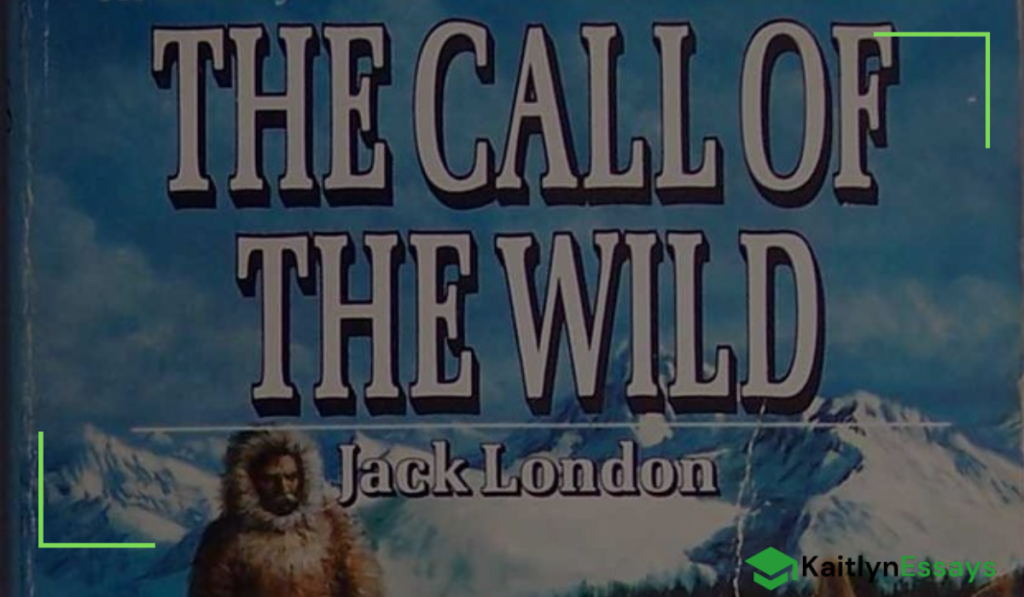
Published in 1903, Jack London’s “The Call of the Wild” follows the transformative journey of Buck, a pampered California dog thrust into the harsh world of the Klondike Gold Rush. As Buck faces brutal challenges in the frozen North, London weaves a powerful tale of survival, adaptation, and the awakening of long-dormant primitive instincts. Through vivid descriptions of the Alaskan wilderness and its unforgiving demands, the novel explores the complex relationship between civilization and nature, domestication and wildness.
Buck’s evolution from a comfortable house dog to a fierce, independent creature resonates with readers as both a thrilling adventure and a meditation on the primal forces that exist within all living beings. The story’s enduring appeal lies in London’s masterful portrayal of Buck’s internal struggle between his loyalty to humans and the increasingly powerful pull of his ancestral nature—a conflict that speaks to fundamental questions about identity and belonging.
Summary of The Call of the Wild
Chapter 1: Into the Primitive
Buck enjoys a comfortable life at Judge Miller’s estate in California. However, his idyllic existence is shattered when he is kidnapped by Manuel, a gardener’s helper in need of money, and sold into the brutal world of the Alaskan wilderness. Buck is shipped north, where he is introduced to harsh treatment and learns to obey “the law of club and fang.”
Chapter 2: The Law of Club and Fang
As Buck adjusts to life in the wild, he encounters a team of sled dogs and begins to understand the rules of survival. The hierarchy among the dogs and the relentless conditions teach him that only strength, cunning, and adaptability will keep him alive.
Chapter 3: The Dominant Primordial Beast
Buck’s instincts grow sharper as he challenges Spitz, the lead dog of the sled team. After a climactic fight, Buck defeats Spitz, asserting himself as the new leader. This marks the beginning of Buck’s full transformation from a domesticated dog to a primal creature.
Chapter 4: Who Has Won to Mastership
Buck’s prowess as a leader becomes evident when he guides the sled team with unmatched skill and determination. However, his journey becomes increasingly perilous as the demands of the wilderness push him to his limits.
Chapter 5: The Toil of Trace and Trail
Buck endures extreme physical and emotional hardships under the ownership of Hal, Charles, and Mercedes, inexperienced adventurers who abuse the dogs. The team’s poor treatment leads to disaster, and Buck’s survival becomes uncertain.
Chapter 6: For the Love of a Man
John Thornton rescues Buck from the brink of death. Under Thornton’s care, Buck experiences love and loyalty for the first time since leaving Judge Miller’s estate. However, the call of the wild begins to grow stronger in Buck’s soul, pulling him toward a life of freedom and instinct.
Chapter 7: The Sounding of the Call
Buck increasingly answers the call of the wild, spending more time away from Thornton and exploring the forest. When Thornton is tragically killed by a group of Native Americans, Buck fully embraces his wild nature, joining a pack of wolves and becoming their leader.
The novel concludes with Buck becoming a legendary figure in the wild, remembered as a powerful and untamed spirit who fully realized his primal destiny.
To explore the novel’s conclusion and its enduring legacy, read more in this literary analysis.
Characters in The Call of the Wild
Buck
Buck is the protagonist and central figure of The Call of the Wild. A St. Bernard-Scotch Collie mix, Buck begins the novel as a pampered pet on Judge Miller’s estate in California. He is intelligent, strong, and confident but unprepared for the harsh realities of the wild.
Buck’s transformation drives the narrative. After being kidnapped and sold into the harsh world of the Klondike Gold Rush, he learns the “law of club and fang” and gradually sheds his domestic instincts. His leadership skills, physical strength, and adaptability allow him to thrive, culminating in his ultimate embrace of the wild.
Buck’s journey is symbolic of humanity’s latent primal instincts, a return to nature, and the survival of the fittest. His connection to John Thornton briefly rekindles his domestic loyalty, but the call of the wild ultimately proves irresistible.
Judge Miller
Judge Miller represents the world of civilization and comfort. As Buck’s original owner, the Judge provides a life of luxury and ease on his estate in California. This setting serves as a sharp contrast to the brutal wilderness Buck later inhabits.
While Judge Miller is a kind and generous figure, he represents a world that Buck must leave behind to fulfill his true nature. The Judge’s inability to protect Buck from being sold into the wild reflects the fragility of human institutions in the face of greed and survival instincts.
Manuel
Manuel, the gardener’s helper, is a minor but pivotal character. Motivated by financial desperation, he betrays the trust of Judge Miller and Buck by selling the dog to pay off his gambling debts.
Manuel’s betrayal serves as the inciting incident, thrusting Buck into the brutal world of the Klondike. His actions underscore the novel’s theme of survival, where morality is often overshadowed by necessity.
Perrault and François
Perrault and François are Canadian couriers for the government who become Buck’s first owners after he is sold. Both men are experienced sled drivers and understand the harsh conditions of the wilderness.
François is particularly compassionate, treating the dogs with respect and fairness. When Buck defeats Spitz, François recognizes Buck’s natural leadership and promotes him to lead dog. Perrault, though less emotionally attached, also values Buck’s strength and intelligence.
These characters provide a contrast to later owners, demonstrating that competence and respect in the wilderness lead to better outcomes for both humans and animals.
Spitz
Spitz is Buck’s primary rival and serves as the antagonist during the early part of the novel. A cunning and ruthless lead dog, Spitz represents the survival of the fittest and the dominance of primal instincts.
Spitz’s antagonism toward Buck culminates in a dramatic fight, where Buck’s strength, cunning, and determination prevail. This victory is a turning point for Buck, solidifying his position as a leader and marking his ascent in the natural hierarchy.
Spitz symbolizes the challenges Buck must overcome to fully adapt to the wild. His defeat underscores the novel’s Darwinian themes.
Hal, Charles, and Mercedes
Hal, Charles, and Mercedes represent incompetence and human folly in the wilderness. These inexperienced adventurers acquire Buck and the sled team but lack the knowledge and skills to survive in the harsh environment.
Hal is aggressive and impatient, frequently beating the dogs, while Charles is passive and ineffective. Mercedes, their spoiled and demanding companion, adds to their dysfunction by prioritizing her own comfort over practicality.
The trio’s inability to work together or adapt to their surroundings ultimately leads to their demise. Their treatment of Buck highlights the consequences of greed, arrogance, and ignorance.
John Thornton
John Thornton is Buck’s final and most significant human owner. A skilled and compassionate man, Thornton rescues Buck from near-death at the hands of Hal, Charles, and Mercedes.
Thornton represents a balance between civilization and the wild. His deep bond with Buck rekindles the dog’s loyalty and affection, offering a temporary respite from the brutality of the wilderness. Thornton’s love and respect for Buck create a relationship based on mutual trust and admiration.
However, Thornton’s tragic death marks a turning point for Buck, freeing him to fully embrace the wild. Thornton symbolizes the fleeting nature of human connection in the face of nature’s call.
Dave
Dave is one of the sled dogs Buck encounters early in his journey. A hardworking and dedicated dog, Dave epitomizes stoic endurance. He is fiercely committed to his role in the sled team and derives a sense of purpose from his work.
Dave’s declining health and eventual death highlight the harsh realities of the wilderness. His determination to continue working despite his suffering underscores the novel’s theme of perseverance in the face of adversity.
Curly
Curly is a friendly and naive dog who accompanies Buck early in the story. Her brutal death at the hands of a pack of huskies serves as Buck’s first exposure to the “law of fang.”
Curly’s death is a harsh lesson in the unforgiving nature of the wild, where weakness and naivety have no place. Her fate contrasts sharply with Buck’s ability to adapt and survive.
Sol-leks
Sol-leks is another sled dog who embodies stoic strength and experience. Like Dave, he is dedicated to his work and avoids unnecessary conflict.
Sol-leks teaches Buck valuable lessons about survival and teamwork. His calm demeanor and focus on the task at hand make him a model of resilience in the wilderness.
The Man in the Red Sweater
The man in the red sweater is a minor but significant character who teaches Buck the “law of club and fang.” This nameless figure introduces Buck to the harsh realities of the wild, using a club to establish dominance.
The encounter with the man in the red sweater is a pivotal moment for Buck, marking the beginning of his transformation. This character symbolizes the brutal but necessary lessons of survival in an unforgiving world.
The Wolf Pack
The wolf pack represents the ultimate embodiment of the wild. After John Thornton’s death, Buck joins the pack, completing his transformation into a creature of nature.
The pack accepts Buck as their leader, signifying his mastery of the wilderness and his return to his primal roots. The wolves symbolize freedom, instinct, and the unbreakable connection between all creatures and the natural world.
To read about the deeper character dynamics and their symbolic roles, explore this literary analysis.
Themes in The Call of the Wild
Survival of the Fittest
One of the most prominent themes in The Call of the Wild is the idea of survival of the fittest, derived from Charles Darwin’s theory of evolution. Throughout the novel, Buck’s journey is defined by his ability to adapt, grow stronger, and outwit rivals.
Buck begins as a domesticated pet but is thrust into the harsh realities of the Alaskan wilderness. Here, only those capable of enduring brutal conditions and mastering the “law of club and fang” survive. Buck’s defeat of Spitz symbolizes his triumph over the challenges of the wild and his rise to dominance in a natural hierarchy.
This theme reflects the unforgiving nature of life in the wilderness, where survival depends on strength, intelligence, and adaptability. The novel portrays nature as indifferent to the struggles of individuals, emphasizing that only the strongest and most resourceful prevail.
The Call of the Wild and Primal Instincts
The title itself underscores a central theme: the irresistible pull of primal instincts. Buck’s journey is one of awakening, where he reconnects with his ancestral roots and embraces the untamed life of the wilderness.
Throughout the novel, Buck experiences a growing awareness of his inner wildness. He hears the metaphorical “call” in the howls of wolves and the natural rhythms of the forest. This theme is vividly illustrated when Buck joins the wolf pack, fully abandoning the constraints of civilization to embrace his true nature.
This theme challenges the idea of domestication, suggesting that even in the most civilized creatures lies an untamed, instinctual core.
The Conflict Between Civilization and Nature
The novel juxtaposes the comforts of civilization with the harsh realities of the wild. Buck begins his journey as a domesticated dog living in luxury on Judge Miller’s estate. However, his kidnapping and subsequent experiences in the Klondike strip away the veneer of civilization.
Buck’s transformation symbolizes the struggle between the artificial constructs of human society and the raw power of nature. While civilization offers comfort and stability, it is also fragile and unable to withstand the forces of the natural world.
This theme is further explored through characters like John Thornton, who represents a balance between humanity and nature, and Hal, Charles, and Mercedes, whose incompetence highlights the dangers of ignoring the realities of the wilderness.
Loyalty and the Bonds Between Humans and Animals
Loyalty is a recurring theme, especially in the relationship between Buck and John Thornton. Thornton’s compassion and respect for Buck rekindle the dog’s trust in humans after a series of abusive owners.
Buck’s devotion to Thornton is unparalleled, and he performs heroic feats out of love for his master. However, this bond is ultimately temporary, as the call of the wild grows stronger in Buck. The theme of loyalty is juxtaposed with the inevitability of Buck’s return to his primal instincts, showing that while human-animal relationships can be profound, they are ultimately subject to nature’s laws.
Perseverance and Resilience
The Call of the Wild celebrates perseverance and resilience in the face of adversity. The harsh conditions of the Klondike demand physical and emotional endurance from both humans and animals.
Buck’s journey from Judge Miller’s estate to becoming the leader of a wolf pack is a testament to his resilience. He learns to adapt to new challenges, survive extreme conditions, and emerge stronger after each trial.
This theme reflects Jack London’s admiration for the indomitable spirit of those who thrive in the face of hardship, whether in the wilderness or in life.
The Power and Indifference of Nature
Nature is portrayed as a powerful, indifferent force throughout the novel. The wilderness is neither good nor evil; it simply exists, imposing its laws on all who inhabit it.
Buck’s journey illustrates the unforgiving nature of the wild. From the brutal cold to the scarcity of food, every aspect of the environment tests his limits. While Buck ultimately thrives in this environment, many other characters and animals succumb to its harshness, such as Curly and Hal’s sled team.
This theme underscores the idea that nature operates on its own terms, indifferent to human or animal struggles.
Transformation and Self-Discovery
Buck’s transformation is central to the novel, symbolizing self-discovery and the journey to one’s true identity. As he sheds the constraints of domestication, Buck discovers his latent instincts and his place in the natural order.
Each stage of Buck’s journey represents a step in his transformation. From his first exposure to the “law of club and fang” to his final acceptance of the wild, Buck evolves into a creature of instinct, strength, and freedom.
This theme suggests that true fulfillment lies in embracing one’s authentic self, even if it means leaving behind the comforts of civilization.
Violence and Brutality
Violence is a pervasive theme, reflecting the harsh realities of life in the wilderness. From Buck’s initial beating by the man in the red sweater to the fights for dominance among the sled dogs, violence is portrayed as an inevitable aspect of survival.
While often brutal, the violence in the novel serves a purpose. It teaches Buck valuable lessons about power, hierarchy, and the importance of strength. This theme emphasizes the necessity of understanding and navigating the inherent dangers of life in the wild.
Freedom and Independence
As Buck transitions from a domesticated pet to the leader of a wolf pack, the theme of freedom and independence emerges. Buck’s journey is one of liberation, where he gradually breaks free from the constraints of human control and embraces a life guided by instinct and autonomy.
This theme resonates with the idea of returning to a natural state, where freedom is defined by self-reliance and harmony with nature. Buck’s ultimate acceptance of the wild represents the pinnacle of independence.
Greed and Human Folly
The greed of humans during the Klondike Gold Rush is a driving force in the novel. Characters like Hal, Charles, and Mercedes embody the destructive consequences of greed and ignorance.
Their mistreatment of the sled dogs and inability to adapt to the wilderness highlight the dangers of prioritizing personal gain over practical wisdom. This theme critiques the human tendency to exploit resources, both natural and animal, without regard for the consequences.
Learn more about these themes here.
Symbols in The Call of the Wild
The Law of Club and Fang
The “law of club and fang” symbolizes the harsh realities of survival in the wilderness. It represents the rules governing life in a brutal, indifferent world where only the strongest and most adaptable endure.
The “club” refers to the dominance of humans over animals, as seen when the man in the red sweater beats Buck into submission. The “fang” symbolizes the animalistic hierarchy, where violence and dominance determine leadership and survival.
This duality introduces Buck to the unforgiving nature of his new environment, marking the beginning of his transformation. It also underscores the novel’s theme of survival of the fittest, emphasizing the necessity of power and adaptation.
Buck’s Journey
Buck’s journey serves as a powerful symbol of transformation and self-discovery. Each stage of his journey reflects a step toward his ultimate embrace of the wild.
Initially, Buck represents domestication and the comforts of civilization. However, as he faces the challenges of the wilderness, he sheds these constraints and reconnects with his primal instincts. His final choice to join the wolf pack symbolizes his complete transformation and acceptance of his true nature.
This journey is not just physical but symbolic of the universal quest for identity and purpose.
The Wilderness
The Alaskan wilderness itself is a symbol of freedom and primal beauty, but it also represents danger and indifference. It challenges both humans and animals, testing their resilience and adaptability.
For Buck, the wilderness is both a proving ground and a place of liberation. It contrasts sharply with the structured, domesticated life he once knew, highlighting the novel’s theme of the conflict between civilization and nature.
The wilderness symbolizes a return to a more authentic way of living, free from the artificial constructs of society.
The Sled
The sled symbolizes labor, struggle, and the exploitation of animals by humans. Buck’s time as a sled dog is marked by physical hardship and the cruelty of some of his owners.
However, the sled also represents camaraderie and purpose. Under John Thornton’s care, Buck’s labor becomes less about survival and more about loyalty and trust. This dual symbolism reflects the complex dynamics between humans and animals in the novel.
The Howling of the Wolves
The howling of the wolves symbolizes the call of the wild that resonates deep within Buck’s soul. It represents his ancestral instincts and the pull toward his natural state.
As Buck grows more attuned to the wilderness, the howls become more meaningful, culminating in his decision to join the wolf pack. This symbol underscores the novel’s theme of reconnecting with primal instincts and embracing one’s true identity.
The Man in the Red Sweater
The man in the red sweater symbolizes the brutality and dominance of humans over animals. His role in the story is brief but pivotal, as he introduces Buck to the “law of the club.”
This character serves as a reminder of the power dynamics that exist between humans and animals, as well as the harsh lessons that Buck must learn to survive in his new environment.
John Thornton
John Thornton symbolizes the bond between humans and animals. He represents compassion, respect, and the possibility of mutual trust.
While Buck’s previous owners treated him as a tool, Thornton’s kindness and loyalty inspire Buck to reciprocate with unwavering devotion. This relationship symbolizes the potential for harmony between humanity and nature, even in the harshest conditions.
The Wild Itself
The wild symbolizes freedom and authenticity, standing in opposition to the artificial constraints of civilization. For Buck, the wild represents both a physical and spiritual home, where he can fully realize his potential.
This symbol ties into the broader themes of transformation, independence, and the enduring power of nature.
Spitz
Spitz, Buck’s rival, symbolizes the challenges and competition inherent in the natural world. His dominance over the sled team represents the survival of the fittest, while his eventual defeat by Buck signifies the latter’s rise to power.
Spitz’s character serves as a symbol of the obstacles that Buck must overcome to achieve his rightful place as a leader.
Buck’s Final Transformation
Buck’s ultimate transformation into a wild creature symbolizes liberation from societal constraints and the rediscovery of his primal essence.
When Buck joins the wolf pack, he fully embraces his identity as a creature of the wild. This transformation symbolizes the novel’s central message: that true freedom and fulfillment lie in living in harmony with one’s natural instincts.
Learn more about the symbols in The Call of the Wild here
Literary Devices in The Call of the Wild
Imagery
London uses vivid imagery to bring the wilderness to life, immersing the reader in the harsh beauty of the Alaskan environment. Descriptions of icy landscapes, brutal snowstorms, and the stark contrasts between life and death are painted with meticulous detail.
For instance, the description of the Klondike reflects its dual nature: “The barren snow stretched endlessly, gleaming coldly beneath the pale Arctic sky.” This imagery emphasizes the beauty and indifference of nature, reinforcing the novel’s themes of survival and natural dominance.
Symbolism
The novel is rich in symbolism, with elements like the wilderness, the sled, and Buck’s journey representing larger ideas. For example:
- The Wilderness: Symbolizes freedom and the raw power of nature.
- The Howling Wolves: Represent the call of primal instincts.
- Buck’s Transformation: Reflects the journey of self-discovery and liberation.
Symbolism adds depth to the narrative, inviting readers to consider the broader implications of Buck’s experiences.
Anthropomorphism
London attributes human emotions and thoughts to Buck, blurring the line between animal and human perspectives. Buck’s internal conflicts, loyalty to John Thornton, and response to the wild are portrayed in a way that allows readers to empathize with him as a character.
For example, Buck’s decision to save Thornton is described with a sense of moral reasoning: “Love, genuine and true, drove him to the edge of desperation.” This technique helps readers connect with Buck’s journey on an emotional level.
Metaphors and Similes
Metaphors and similes are prevalent throughout the novel, enriching the text with layers of meaning. For example:
- Metaphor: Buck’s transformation is described as “the call of the wild,” a metaphor for his awakening to his primal instincts.
- Simile: “He was like a wolf in the prime of life, eager and swift.” This comparison highlights Buck’s evolution into a creature of the wild.
These devices create a lyrical quality to the prose, making complex ideas more accessible to readers.
Foreshadowing
London uses foreshadowing to hint at future events, building tension and anticipation. For instance:
- Buck’s initial kidnapping foreshadows his eventual transformation and dominance in the wild.
- The description of the harsh conditions of the Klondike hints at the challenges Buck will face.
This device keeps readers engaged, encouraging them to look for connections between the story’s events.
Personification
Nature is often personified in the novel, giving it a sense of agency and power. For example, the wilderness is described as “cruel and unyielding,” emphasizing its indifference to the struggles of those within it.
This personification underscores the theme of the natural world’s dominance over humanity and animals alike.
Conflict
The novel is driven by various types of conflict, including:
- Man vs. Nature: Buck’s struggle to survive in the wilderness.
- Man vs. Man: Conflicts between sled drivers and their teams.
- Man vs. Self: Buck’s internal battle between his domesticated past and wild instincts.
These conflicts create a dynamic narrative, showcasing the complexities of survival and transformation.
Allegory
The Call of the Wild can be read as an allegory for the human experience, exploring themes of identity, freedom, and the search for meaning. Buck’s journey mirrors the existential struggles of individuals seeking to reconcile their inner nature with societal expectations.
This allegorical aspect adds philosophical depth to the novel, inviting readers to reflect on their own connections to nature and instinct.
Parallelism
London uses parallelism to draw comparisons between Buck’s experiences and the lives of humans. For instance, the struggles of the gold prospectors mirror the challenges faced by the sled dogs, highlighting the universality of survival and resilience.
This technique reinforces the interconnectedness of all living beings, a central theme of the novel.
Tone and Mood
The tone of The Call of the Wild shifts between harsh realism and a more reflective, almost spiritual quality. London’s writing captures both the brutality and beauty of the wilderness, creating a mood that is at once awe-inspiring and sobering.
For example, the tone is somber when describing the deaths of dogs or the hardships of the trail but becomes uplifting during Buck’s moments of triumph and liberation.
Epiphany
Buck’s ultimate realization of his true nature represents a moment of epiphany, a literary device that marks a turning point in the narrative. When Buck fully embraces the call of the wild and joins the wolf pack, he reaches a state of self-actualization.
This epiphany underscores the novel’s message about the importance of embracing one’s authentic self.
Realism and Naturalism
London’s writing is rooted in the literary movements of realism and naturalism, emphasizing the depiction of life as it is. The novel portrays the harsh realities of the Klondike Gold Rush and the struggles of both humans and animals in a realistic manner.
Naturalism, in particular, is evident in the portrayal of nature as an indifferent force and the emphasis on instinct and survival. This literary approach lends credibility and depth to the narrative.
Repetition
Repetition is used to emphasize key ideas and themes. For example, the repeated references to the “call” highlight its growing influence on Buck’s psyche.
This technique reinforces the novel’s central themes and creates a sense of inevitability in Buck’s transformation.
Irony
Irony is present in the contrast between human arrogance and nature’s power. For example, characters like Hal, Charles, and Mercedes believe they can conquer the wilderness, only to fall victim to their ignorance and greed.
This irony highlights the novel’s critique of humanity’s hubris and underscores the dominance of natural forces.
For an in-depth analysis of how these devices contribute to the novel’s impact, explore this insightful guide.
The Call of the Wild Essays
Strength and Intelligence as Pillars of Survival in Jack London’s “The Call of the Wild”
Jack London’s “The Call of the Wild” is a brutal and unflinching portrayal of the primordial forces that shape life, both animal and human. The novel’s central journey, Buck’s transformation from domesticated pet to wild leader, underscores a fundamental principle: in the unforgiving world of the Yukon, it is ultimately the strongest and smartest that prosper. This is not merely a tale of physical prowess, but a complex exploration of intelligence, adaptability, and the ruthless Darwinian law of survival that governs the wild. Through Buck’s experiences, London illustrates that while brute force can provide an initial advantage, it is the combination of raw power and keen intelligence that ultimately dictates success and, indeed, survival.
The initial stages of Buck’s descent into the wild highlight the critical role of physical strength. Thrust into a chaotic world of dog sledding and brutal authority, Buck is forced to confront his limitations. He initially struggles, his pampered existence providing little preparation for the daily savagery of the trail. He witnesses the swift demise of weaker dogs, their inability to withstand the harsh conditions and the constant violence sealing their fate. Buck’s own survival in these early trials hinges upon developing his own strength. He learns to fight, to endure, and to harness the brute force necessary to navigate the unforgiving environment. He experiences the chilling reality of the “law of club and fang,” where the physically superior often hold the reigns, and weakness is swiftly punished, or worse, eliminated. This initial emphasis on raw power underscores the stark reality of the wild: the physically fit are better equipped to survive.
However, London does not present a simplistic view of survival as purely a matter of strength. While force is paramount, intelligence and adaptability prove to be equally crucial, particularly as Buck’s transformation deepens. He learns to anticipate the actions of his tormentors, to recognize threats, and to navigate the complex power dynamics of the dog pack. He observes the cunning of Spitz, the current leader, and understands that mere brute force is not enough; strategy and deception are equally valuable tools. Buck’s intelligence manifests itself not only in his ability to learn but also in his ability to problem-solve and innovate. He learns to raid camps for food, to utilize the terrain to his advantage, and to anticipate the moves of his rivals. His capacity to adapt to the harsh realities of the wild sets him apart from many of the other dogs, who are often confined to a more instinctual existence. It is this combination of strength and intelligence that allows him to eventually dethrone Spitz, proving that the most powerful individual is not necessarily the one who relies solely on force.
Furthermore, Buck’s ultimate success as a leader highlights the importance of what might be termed ‘emotional intelligence.’ He understands how to inspire loyalty and fear in his pack. His understanding of pack dynamics, coupled with his willingness to challenge the existing hierarchy, is indicative of a powerful social intelligence that goes beyond simply being the strongest. He’s able to motivate his team, earning their respect and obedience through a blend of dominance and understanding. Buck’s leadership, therefore, is not solely based on his physical prowess; it is also rooted in his keen understanding of social dynamics and his ability to inspire others.
London, through Buck’s journey, suggests that “the strongest and smartest always prosper” is a conditional statement, not a guarantee. It isn’t a promise of easy victory, but a principle of survival in a harsh world. There are setbacks, moments of weakness and vulnerability. Buck experiences pain, loss, and near-death encounters. Yet, it is his ability to learn from these experiences, to adapt to the ever-changing circumstances, and to integrate his physical strength with his developing intelligence that ultimately ensures his flourishing. He becomes a truly wild creature, an embodiment of the primal forces of nature, a being who has learned to not only survive but to thrive in the unforgiving wilderness.
In conclusion, Jack London’s “The Call of the Wild” is more than a simple adventure story. It is a profound exploration of the forces that govern life in its most primal forms. While strength is initially presented as a vital component of survival, London ultimately argues that it is the fusion of strength and intelligence that truly dictates success in the wild. Buck’s journey is a testament to the enduring power of adaptability, the importance of learning from experience, and the brutal truth that in a world governed by the law of club and fang, those who combine raw power with keen intelligence stand the best chance of prospering and, ultimately, answering the call of the wild.
Buck’s Character Development in “The Call of the Wild”
Jack London’s “The Call of the Wild” is not just a thrilling adventure story; it is a powerful and poignant exploration of character development, particularly through the transformation of its protagonist, Buck. From a pampered domestic dog to a primal leader of the wolf pack, Buck’s journey is a compelling study in adaptation, instinct, and the rediscovery of a dormant wildness. His evolution is not merely a series of changes in his environment; it is a profound reshaping of his very essence, a stripping away of the veneer of civilization to reveal the untamed animal within. Analyzing Buck’s character development reveals the complex interplay of inherited traits, environmental pressures, and the undeniable allure of the wild.
Initially, Buck is presented as a creature of comfort and privilege. Living a life of ease on Judge Miller’s estate, he is a picture of domesticated contentment, loyal to his masters and accustomed to the gentle rhythms of a predictable existence. He possesses a noble nature and inherent strength, but his potential remains largely untapped. His world is one of rules and routines, far removed from the brutal realities of the Alaskan wilderness that awaits him. This early portrayal serves as a stark contrast to the wild being he will eventually become, highlighting the transformative power of the experiences he will endure.
Buck’s abduction and subsequent introduction to the harsh world of dog sledding mark the first significant stage of his character development. Thrown into a chaotic and violent environment, he is forced to confront his vulnerabilities and adapt quickly. The “law of club and fang” is a brutal lesson, teaching him the necessity of strength, cunning, and an unwavering instinct for survival. He witnesses the swift demise of weaker dogs, their inability to cope with the demands of the trail, and learns that survival is not guaranteed; it must be fought for. This stage of his transformation is marked by the emergence of his latent primal instincts. He learns to fight, to steal food, and to navigate the complex social hierarchy of the dog pack. He sheds his domesticated inhibitions, embracing the ruthlessness required to endure in this unforgiving landscape.
The struggle for dominance within the dog team further shapes Buck’s character. The rivalry with Spitz, the current leader, becomes a catalyst for change. Spitz represents the epitome of brute force and cunning, a mirror reflecting the qualities Buck needs to cultivate to rise in the ranks. Buck observes Spitz, learns from his tactics, and ultimately surpasses him, demonstrating the integration of his increasing strength with his developing intelligence. The fight with Spitz is a pivotal moment, marking Buck’s complete break from his domesticated past and his full embrace of his primal nature. He emerges not just as physically stronger but also as a more strategic and ruthless leader, demonstrating a deep understanding of pack dynamics.
Beyond the physical and strategic challenges, Buck’s character development is profoundly influenced by his growing connection to the wild. As he travels deeper into the Yukon, he begins to feel an ancestral pull, a “call of the wild” that resonates deep within his soul. This call awakens dormant instincts, leading him to a deeper understanding of his heritage and his place within the natural world. He dreams of his wolf ancestors, listens to the whisper of the forest, and finds himself increasingly drawn to the untamed life. This internal conflict, the tug between domestication and his innate wildness, is central to his character arc. His encounters with the wolf pack, culminating in his eventual embrace of their lifestyle, highlight the profound influence of the wild on his psyche.
The relationship with John Thornton represents a significant, though temporary, return to loyalty and companionship. Thornton’s kindness and genuine affection reawaken in Buck the dormant capacity for love and loyalty that he had seemingly shed in his descent into the wild. His devotion to Thornton is fierce and protective, demonstrating that even after his transformation, he retains the capacity for deep emotional connection. However, Thornton’s death at the hands of the Yeehats unleashes the last vestiges of Buck’s domesticated past, fully releasing him to answer the call of the wild. With nothing left to tether him to civilization, he fully embraces his wild nature, becoming a legendary leader of the wolf pack, a creature whose story is forever etched in the landscape.
In conclusion, Buck’s character development in “The Call of the Wild” is a richly complex exploration of the interplay between nature and nurture. From his pampered origins to his feral leadership, Buck’s journey is a testament to the transformative power of experience, the enduring influence of instinct, and the irresistible pull of the wild. His evolution is not simply a progression from one state to another; it is a complex and often brutal process of rediscovering his true nature, shedding the trappings of domestication to reveal the powerful and untamed animal within. Buck’s story serves as a powerful reminder of the enduring force of the wild, not only in the natural world but also within the very core of being.
Use of Anthropomorphism in “The Call of the Wild”
Jack London’s “The Call of the Wild” is a powerful exploration of the primal forces that shape life in the Yukon wilderness. A key element of the novel’s enduring impact lies in London’s masterful use of anthropomorphism, the attribution of human traits, emotions, and motivations to animals. While some might critique this technique as unrealistic, London’s calculated application of anthropomorphism is crucial to the novel’s thematic concerns. It allows readers to connect deeply with Buck’s experience, explore complex questions of instinct and civilization, and ultimately understand the profound forces at work in the natural world. Through this literary device, London elevates the story from a simple adventure narrative to a profound contemplation of humanity’s relationship with nature.
London’s anthropomorphism is not a blanket application; it is carefully deployed to serve specific purposes. He doesn’t merely attribute human-like actions to his canine characters; he looks into their inner lives, granting them a range of complex emotions and motivations. Buck, in particular, is given a rich inner monologue, allowing readers access to his thoughts, fears, and growing understanding of the world. This is evident in the descriptions of his developing awareness, his strategic thinking during fights, and his growing understanding of the “law of club and fang.” He feels humiliation, resentment, and eventually, the powerful pull of his ancestral heritage. This imbues the narrative with a depth and richness that elevates it beyond a simple tale of animal survival.
One of the most significant ways London uses anthropomorphism is to explore the themes of civilization versus savagery. By giving Buck human-like emotions and intellectual capacity, London encourages readers to reflect on the arbitrary nature of these concepts. Buck’s transformation, from a pampered pet to a fierce leader of the wolf pack, is not simply a physical change; it’s an internal metamorphosis driven by his evolving understanding of the world. He learns to shed the constraints of human morality, embracing the ruthlessness necessary for survival. This begs the question: is civilization truly superior to savagery, or is it merely a facade that masks our own primal instincts? By granting Buck human-like insight, London compels us to confront these uncomfortable truths.
Furthermore, London employs anthropomorphism to highlight the complex dynamics of the dog pack. He portrays the relationships between the dogs as intricate social interactions, filled with rivalries, loyalties, and complex power struggles. The dogs aren’t simply driven by instinct; they display behaviors that resonate with human social structures. Their fight for dominance mirrors power struggles within human societies, highlighting the universality of ambition, conflict, and the quest for leadership. This resonates with readers because they recognize the underlying human tendencies that London ascribes to his canine characters. By giving them these characteristics, London makes their struggles relatable and underscores the universality of the drive for dominance and survival.
However, London’s use of anthropomorphism is not without its limitations, and these limitations are often deliberate. While Buck is granted human-like insight and emotions, he never becomes fully human. He remains fundamentally a dog, his thoughts and actions grounded in his canine nature. London carefully balances the humanizing aspects of Buck’s portrayal with his inherent animalistic qualities, reminding the reader that despite the anthropomorphism, Buck is, at his core, a creature of instinct. This deliberate limitation prevents the story from becoming overly sentimental or unrealistic. It also highlights the limitations of human understanding when attempting to interpret the natural world. We can only perceive the wild through the lens of our own experiences, and London never fully transcends this barrier.
Moreover, the anthropomorphism employed by London can be interpreted as a means of critiquing human society. By portraying the brutal realities of the wild, he casts a shadow on the perceived progress and civility of human life. The “law of club and fang” is, in its own brutal way, a more honest system than the complex and often hypocritical structures of human society. By giving animals human-like traits and then placing them in a brutal and uncivilized environment, London forces readers to reconsider their own preconceived notions about humanity. The animal kingdom, in this sense, acts as a mirror, reflecting both the best and the worst aspects of human behavior.
In conclusion, Jack London’s use of anthropomorphism in “The Call of the Wild” is a sophisticated and deliberate literary technique that contributes significantly to the novel’s thematic depth and lasting impact. It allows readers to empathize with Buck’s transformative journey, explore complex questions about civilization and savagery, and contemplate humanity’s place in the natural world. By carefully balancing the humanizing aspects of Buck’s portrayal with his inherent canine nature, London creates a narrative that is both captivating and thought-provoking. The anthropomorphism, therefore, is not merely a stylistic choice; it is a critical tool that allows London to look into the heart of the wild and to reflect on the essence of being, both animal and human.
Struggle for Freedom in Jack London’s “The Call of the Wild”
Jack London’s “The Call of the Wild” is often lauded as a thrilling adventure tale, but beneath the surface of sled dog races and wolf packs lies a profound exploration of the struggle for freedom. Buck’s journey is not merely a physical odyssey through the Alaskan wilderness; it is a relentless quest for liberation from the constraints of civilization, a yearning for autonomy that echoes the fundamental human desire for self-determination. Through Buck’s experiences, London meticulously depicts the forces that both imprison and liberate, ultimately arguing that true freedom lies not in the absence of constraint, but in the embrace of one’s primal nature and the unyielding pursuit of self-discovery.
Initially, Buck’s life at Judge Miller’s estate represents a kind of gilded cage. He is materially comfortable, respected, and even adored, but his existence is fundamentally governed by the rules and expectations of his domesticated environment. He is a creature of routine, his days dictated by human whims and his instincts largely suppressed. This early phase of his life exemplifies a form of “soft” captivity – a life of ease that ultimately robs him of the wildness inherent in his being. His abduction and subsequent introduction to the harsh realities of the Yukon serve as a jarring awakening, forcibly stripping him of the illusion of freedom he once knew.
The transition to the world of sled dogs represents a different form of bondage. Here, Buck is subjected to the brutal authority of the “law of club and fang.” He is forced to submit to the will of his handlers, the harsh realities of the trail, and the hierarchical structure of the dog pack. His freedom is further limited by the physical demands placed upon him, the constant pressure to perform, and the ever-present threat of violence. This period is crucial in shaping his character, teaching him that survival requires a fierce resistance to external control. He learns to fight for his place, to challenge authority, and to embrace the necessary ruthlessness to navigate this harsh reality. It is a period of struggle and growth, where he begins to understand that true freedom is not simply given, it must be earned.
Buck’s rivalry with Spitz is a significant turning point in his quest for liberation. Spitz, representing a form of tyrannical leadership based on brute force, embodies the very constraints Buck is rebelling against. The battle between them is not just a fight for dominance; it’s a symbolic struggle for freedom from the oppressive hierarchy of the dog pack. When Buck ultimately overthrows Spitz, he achieves a moment of liberation, asserting his own will and becoming master of his own destiny. However, this freedom remains within the confines of the dog team, highlighting the limitations of a freedom defined by external power structures.
The “call of the wild” itself represents the ultimate pull toward freedom, the yearning for an existence untamed by the constraints of civilization. As he travels further into the Yukon, Buck increasingly experiences this ancestral pull, a deep-seated urge to reconnect with his primal nature. He dreams of his wolf ancestors, hears the whispers of the forest, and feels the desire to break free from the limitations of his domesticated past. This call is not merely an instinctive urge; it’s a conscious rejection of the artificiality of civilization and a powerful longing for an existence that is authentic, unburdened by societal expectations.
Even Buck’s relationship with John Thornton, characterized by genuine affection and loyalty, demonstrates a form of emotional dependence that limits his freedom. While Thornton treats him with kindness and respect, Buck’s loyalty becomes a form of self-imposed restraint. He willingly chooses to stay by Thornton’s side, delaying his complete embrace of the wild. This highlights the complexity of freedom: it is not just about the absence of external force, but also about the capacity to choose one’s own path, even if it means leaving behind comfort and love. Thornton’s death ultimately serves as the catalyst for Buck’s final act of liberation. With nothing left to tether him to the human world, he is free to answer the call of the wild completely.
Buck’s final transformation into the legendary leader of the wolf pack is the ultimate expression of his struggle for freedom. He has shed the last vestiges of his domesticated past, fully embracing his wild nature and becoming a creature of his own making. This freedom is not a passive state; it is an active pursuit, an ongoing process of asserting his will, navigating the harsh realities of the wild, and choosing to live life on his own terms. He is no longer constrained by external forces, his actions driven by his instincts, his desires, and his growing understanding of his place in the natural order.
In conclusion, Jack London’s “The Call of the Wild” is a powerful meditation on the complex nature of freedom. Buck’s journey is not simply a descent into savagery; it’s a carefully constructed exploration of the different forms of captivity and the enduring struggle for self-determination. Through his experiences, London demonstrates that true freedom is not a gift bestowed upon individuals; it’s a continuous, often arduous, process of self-discovery, resistance to external control, and ultimately, an unwavering embrace of one’s own authentic nature. Buck’s story serves as a timeless reminder of the fundamental human, and indeed animal, need to be free.
FAQs
What is the main point of The Call of the Wild?
The main point of The Call of the Wild is to explore the primal instincts and survival instincts within all living beings, particularly through the journey of Buck, a domesticated dog who reverts to a wild state. The novel looks into themes of nature versus nurture, the struggle for dominance, and the return to one’s primal roots. It also reflects on the harsh realities of life in the wild and the transformative power of adversity.
Why was The Call of the Wild banned?
The Call of the Wild has faced bans and challenges primarily due to its depiction of violence and its dark themes. Some critics have argued that the book is too brutal for younger readers, as it includes scenes of animal cruelty, survival struggles, and harsh treatment of dogs. Additionally, its portrayal of primitive instincts and raw survival has been deemed inappropriate by some educational institutions and communities.
What is Call of the Wild mainly about?
The Call of the Wild is mainly about Buck, a domesticated dog who is stolen from his comfortable life in California and sold into the brutal life of an Alaskan sled dog during the Klondike Gold Rush. As Buck adapts to the harsh environment, he gradually sheds his civilized behavior and taps into his ancestral instincts, eventually becoming a leader in the wild. The story is a tale of survival, transformation, and the call of primal nature.
Is Call of the Wild a true story?
No, The Call of the Wild is not a true story. It is a work of fiction written by Jack London. However, it is inspired by London’s experiences in the Yukon during the Klondike Gold Rush and his observations of the relationship between humans, animals, and nature. The novel reflects the realities of life in the wilderness and the struggles faced by both humans and animals during that time.