

Introduction
In recent years, the integration of technology into healthcare systems has revolutionized patient care delivery, leading to improved outcomes, enhanced efficiency, and greater patient satisfaction. From electronic health records (EHRs) to telehealth platforms, technology has become an integral part of modern healthcare delivery, enabling healthcare providers to deliver more personalized, timely, and effective care to patients. This paper explores the significance of integrating technology into patient care delivery, examining the benefits, challenges, and future directions of technology adoption in healthcare.
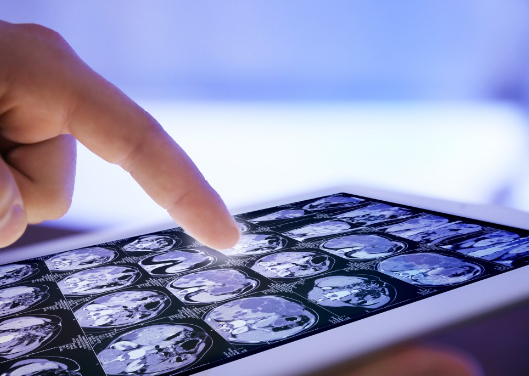
The Role of Technology in Patient Care Delivery
Electronic Health Records (EHRs)
Electronic health records (EHRs) are digital versions of patients’ paper charts that contain comprehensive information about their medical history, diagnoses, medications, allergies, and treatment plans. EHRs facilitate the sharing of patient information among healthcare providers, enabling seamless communication and coordination of care across different care settings.
According to a study by Adler-Milstein et al. (2017), the adoption of EHRs has been associated with improvements in clinical outcomes, patient safety, and care coordination. EHRs enable healthcare providers to access real-time patient information, make informed clinical decisions, and reduce medical errors. Additionally, EHRs support evidence-based practice by providing clinicians with access to clinical guidelines, decision support tools, and best practices at the point of care.
Telehealth and Remote Monitoring
Telehealth and remote monitoring technologies enable healthcare providers to deliver care to patients remotely, using telecommunications and digital health tools. Telehealth platforms allow patients to consult with their healthcare providers via video conferencing, phone calls, or secure messaging, eliminating the need for in-person visits and reducing barriers to access care.
A study by Dorsey et al. (2018) found that telehealth can improve patient access to care, reduce healthcare costs, and enhance patient satisfaction. Telehealth enables patients to receive timely care, regardless of their location or mobility limitations, while reducing travel time and expenses associated with in-person visits. Additionally, remote monitoring devices, such as wearable sensors and mobile health apps, enable healthcare providers to track patients’ vital signs, medication adherence, and symptoms remotely, allowing for early detection of changes in health status and timely intervention.
Health Information Exchange (HIE) Networks
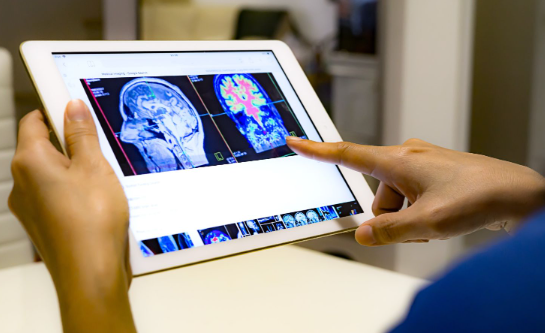
Health information exchange (HIE) networks facilitate the sharing of electronic health information among different healthcare organizations, allowing for seamless exchange of patient information across care settings and geographic boundaries. HIE networks enable healthcare providers to access comprehensive patient records, regardless of where they receive care, improving care coordination and continuity of care.
According to a report by the Office of the National Coordinator for Health Information Technology (ONC) (2021), HIE networks have been shown to improve patient care outcomes, reduce duplicate tests and procedures, and enhance care coordination among healthcare providers. HIE networks enable healthcare providers to access relevant patient information, such as lab results, imaging reports, and medication lists, in real-time, enabling more informed clinical decision-making and better patient care outcomes.
Benefits of Integrating Technology into Patient Care Delivery
Improved Access to Care
One of the primary benefits of integrating technology into patient care delivery is improved access to care, particularly for underserved populations and those living in rural or remote areas. Telehealth platforms enable patients to consult with their healthcare providers remotely, eliminating the need for in-person visits and reducing barriers to access care, such as transportation, mobility limitations, and long wait times.
According to a study by Mehrotra et al. (2020), telehealth visits increased dramatically during the COVID-19 pandemic, driven by the need to minimize in-person contact and maintain continuity of care. Telehealth enables patients to access care from the comfort of their homes, reducing the risk of exposure to infectious diseases and improving patient safety. Additionally, telehealth expands access to specialty care services, such as mental health counseling, chronic disease management, and specialist consultations, which may not be readily available in all communities.
Enhanced Care Coordination
Integrating technology into patient care delivery enhances care coordination by enabling healthcare providers to access and share patient information more efficiently. Electronic health records (EHRs) and health information exchange (HIE) networks facilitate the seamless exchange of patient information among different healthcare organizations, ensuring that providers have access to relevant patient information, regardless of where they receive care.
A study by Vest et al. (2017) found that improved care coordination is associated with better patient outcomes, reduced healthcare costs, and higher patient satisfaction. Technology-enabled care coordination processes, such as electronic referrals, care plans, and discharge summaries, enable healthcare providers to communicate more effectively, collaborate on patient care decisions, and ensure that patients receive timely and appropriate care across care settings.
Personalized and Patient-Centered Care
Technology enables healthcare providers to deliver more personalized, patient-centered care by tailoring treatment plans and interventions to individual patient needs and preferences. Telehealth platforms, for example, enable patients to consult with their healthcare providers remotely, allowing for more frequent and convenient communication and collaboration between patients and providers.
According to a study by Topol (2019), personalized medicine, enabled by technology, has the potential to transform healthcare delivery by targeting treatments and interventions to the specific needs and characteristics of individual patients. Advances in genomics, pharmacogenomics, and precision medicine enable healthcare providers to identify patients at increased risk of certain diseases, select the most effective treatments, and monitor treatment responses more closely, leading to better outcomes and reduced healthcare costs.
Challenges in Integrating Technology into Patient Care Delivery

Digital Divide and Health Inequities
One of the primary challenges in integrating technology into patient care delivery is the digital divide, which refers to the gap between those who have access to and can effectively use digital technologies and those who do not. Health inequities, such as socioeconomic status, education level, and geographic location, can exacerbate the digital divide, limiting access to technology-enabled healthcare services for underserved populations.
According to a report by
the Pew Research Center (2021), disparities in internet access and digital literacy contribute to disparities in access to telehealth services, particularly among older adults, low-income individuals, and rural residents. Limited access to technology and digital health literacy can prevent patients from accessing telehealth services, participating in remote monitoring programs, and engaging with digital health tools, leading to disparities in healthcare access and outcomes.
Data Privacy and Security Concerns
Integrating technology into patient care delivery raises concerns about data privacy and security, particularly regarding the collection, storage, and transmission of sensitive patient information. Healthcare organizations must implement robust security measures, such as encryption, access controls, and audit trails, to protect patient data from unauthorized access, breaches, and cyberattacks.
According to a report by the Ponemon Institute (2021), healthcare data breaches continue to rise, with insider threats, phishing attacks, and ransomware incidents posing significant risks to patient privacy and data security. Patients may be reluctant to share sensitive health information online or use digital health tools if they are concerned about data privacy and security, undermining the potential benefits of technology-enabled care delivery.
Workflow Integration and User Adoption
Integrating technology into patient care delivery requires changes to clinical workflows and processes to ensure that technology complements existing care delivery models and meets the needs of patients and providers. Healthcare organizations must invest in training and support programs to ensure that healthcare providers are proficient in using digital health tools and technology-enabled care delivery models.
According to a study by Gagnon et al. (2019), workflow integration and user adoption are critical factors influencing the success of technology implementation in healthcare settings. Healthcare providers may face resistance to change, workflow disruptions, and challenges in adapting to new technologies, leading to delays in technology adoption and suboptimal use of digital health tools. To overcome these challenges, healthcare organizations must involve frontline providers in the design and implementation of technology solutions, provide adequate training and support, and address barriers to adoption proactively.
Future Directions in Integrating Technology for Improved Patient Care Delivery
Artificial Intelligence and Machine Learning
Artificial intelligence (AI) and machine learning (ML) are emerging technologies that hold great promise for transforming patient care delivery by enabling more personalized, predictive, and proactive care. AI algorithms can analyze large datasets, identify patterns, and generate actionable insights that inform clinical decision-making, improve care coordination, and optimize treatment strategies.
According to a report by the National Academy of Medicine (2020), AI and ML have the potential to revolutionize healthcare delivery by predicting patient outcomes, identifying high-risk patients, and recommending personalized treatment plans. AI-enabled decision support tools, such as clinical decision support systems (CDSS) and predictive analytics platforms, can assist healthcare providers in diagnosing diseases, selecting appropriate treatments, and predicting patient responses to interventions, leading to better outcomes and reduced healthcare costs.
Internet of Things (IoT) and Wearable Devices
The Internet of Things (IoT) and wearable devices enable continuous monitoring of patients’ health status and behavior, allowing for early detection of changes in health status and timely intervention. IoT devices, such as wearable sensors, smartwatches, and medical implants, collect data on patients’ vital signs, activity levels, and medication adherence, providing healthcare providers with real-time insights into patients’ health status and enabling more proactive and personalized care.
According to a report by the World Health Organization (2021), wearable devices and IoT technologies have the potential to empower patients to take control of their health and well-being by providing them with access to personalized health information, self-management tools, and feedback on their health behaviors. Wearable devices can monitor patients’ physical activity, sleep patterns, and physiological parameters, enabling patients to track their progress, set health goals, and make informed decisions about their health and lifestyle choices.
Conclusion
Integrating technology into patient care delivery has the potential to revolutionize healthcare delivery by improving access to care, enhancing care coordination, and enabling more personalized and proactive care. From electronic health records (EHRs) to telehealth platforms and wearable devices, technology-enabled care delivery models offer numerous benefits for patients and providers alike.
However, integrating technology into patient care delivery poses challenges related to the digital divide, data privacy and security, and workflow integration. To realize the full potential of technology in healthcare, healthcare organizations must address these challenges proactively, invest in training and support programs, and engage patients and providers in the design and implementation of technology solutions. By leveraging technology effectively, healthcare providers can transform patient care delivery and improve outcomes for patients across the continuum of care.