

Homer’s epic poem The Iliad is full of symbols that give deeper meaning to the story. Symbols are objects, characters, or events that represent bigger ideas or concepts beyond their literal meanings. By using symbols, Homer explores important themes like honor, glory, fate, and what it means to be human.
In this paper, we will look closely at the different symbols used in The Iliad. We will analyze and interpret what these symbols represent and how they help us better understand the characters, events, and overall themes of the poem. By examining the significance of key symbols, we will uncover how they contribute to the lasting impact and greatness of this ancient masterpiece.
Some examples of symbols in The Iliad include the Trojan horse, which represents trickery and deception in warfare, and the character of Achilles, whose rage and pursuit of glory symbolize the destructive nature of unchecked pride and ambition.
Through this exploration of symbolism, we will gain a deeper appreciation for the complexity and layers of meaning woven throughout The Iliad, demonstrating Homer’s mastery of storytelling and his profound insights into the human experience.
The Shield of Achilles: Symbol of Human Experience
In Homer’s “The Iliad,” the Shield of Achilles is an important symbol that represents many parts of human life. Made by the god Hephaestus, the shield is not just a piece of armor; it tells a story about what it means to be human.
Making the Shield
Hephaestus, the god of blacksmiths, makes the shield in Book 18. The shield has many detailed pictures that show different parts of life, highlighting its importance and deeper meaning.
Pictures on the Shield
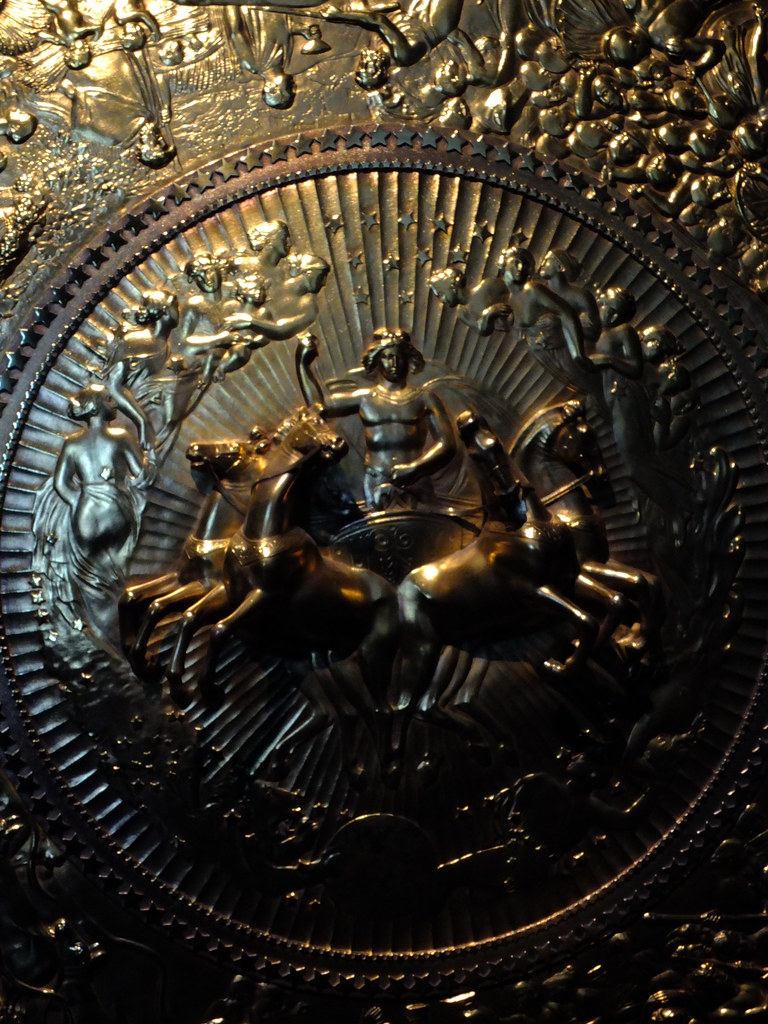
The shield is covered with scenes that represent various aspects of life:
- Cities of Peace and War:
- Peaceful City: This city shows marriage, festivals, and people settling disputes. It represents harmony, social order, and the pursuit of justice.
- Warlike City: This city shows siege and battle, highlighting the chaos and destruction of war. This contrast shows that conflict is a part of human life.
- Farming Life:
- Scenes of plowing, harvesting, and vineyards represent the cycles of nature and the work that sustains human life. These images celebrate human labor and the connection to nature.
- Pastoral Scenes:
- Pictures of shepherds and flocks represent peaceful, simple life. They symbolize tranquility and the relationship between humans and animals.
- Dance and Celebration:
- A scene of young people dancing represents joy and communal celebration. It shows the importance of culture and festivity.
- The Ocean:
- The ocean surrounds the shield, symbolizing the boundary of the known world and the unknown beyond. It represents the vastness of experience and the mysteries of life.
Simple Interpretations
The Shield of Achilles can be understood in several straightforward ways:
- Dual Nature of Humanity:
- The scenes of peace and war show that human life has both good and bad sides. It acknowledges that life is full of both joy and conflict.
- Cycle of Life:
- The farming scenes highlight the natural cycles and the ongoing work needed to sustain life. They symbolize growth and the passage of time.
- Miniature World:
- The shield is like a small version of the world, showing many different aspects of human life. It reflects the diversity of experiences people have.
- View from the Gods:
- Since a god made the shield, it offers a perspective that goes beyond human understanding. It suggests that the gods see the bigger picture of human life.
Facing a tight deadline for your assignment on “The Iliad”?
Our team of experienced writers can provide you with a detailed and insightful analysis of this timeless classic. We ensure that every paper is thoroughly researched and well-articulated to meet your academic requirements. Get in touch today and let us help you succeed without the stress of looming deadlines.
The Trojan Horse: Deception and Strategy
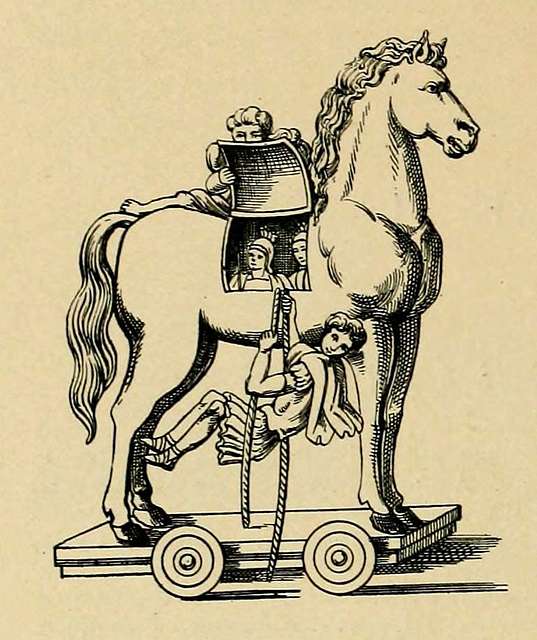
Another potent symbol in The Iliad is the Trojan Horse, a colossal wooden structure used by the Greeks to gain entry into the city of Troy and ultimately bring about its downfall. The Trojan Horse represents the power of deception and strategic thinking in warfare.
Symbolism of Deception
- Clever Trick:
- The Trojan Horse is a clever trick. The Greeks use it to deceive the Trojans into thinking they have given up and gone home. This shows how intelligence and strategy can be just as powerful as strength.
- False Security:
- The Trojans feel safe when they see the horse and believe the Greeks have left. This false sense of security leads to their downfall, highlighting the dangers of being too trusting and not questioning appearances.
- Surprise Attack:
- The soldiers hidden inside the horse come out at night and open the city gates for the Greek army. This surprise attack symbolizes the unexpected ways that victory can be achieved through planning and cunning.
Symbolism of Strategy
- Strategic Victory:
- The use of the Trojan Horse represents a strategic victory for the Greeks. Instead of continuing a long and costly siege, they use their minds to come up with a smarter way to win.
- Ingenuity:
- The creation and execution of the Trojan Horse plan show human ingenuity. It highlights how creativity and out-of-the-box thinking are important in overcoming challenges.
- Planning and Execution:
- The success of the Trojan Horse also depends on careful planning and execution. This emphasizes the importance of having a well-thought-out strategy and the patience to carry it out effectively.
The Trojan Horse in “The Iliad” symbolizes the power of deception and strategy in achieving goals. It shows that intelligence, cunning, and careful planning can sometimes achieve what sheer strength cannot. This story serves as a reminder that appearances can be deceiving and that thinking strategically is crucial in overcoming obstacles and achieving victory.
The River Styx: Boundary Between Life and Death
In The Iliad, the River Styx serves as a potent symbol of the boundary between life and death, separating the mortal realm from the underworld. It is invoked in oaths and rituals as a sacred and binding force.
The River Styx
The River Styx is a significant part of Greek mythology and appears in “The Iliad” as a powerful symbol. It is more than just a river; it is a marker of the final separation between life and death.
Symbolism of the Boundary Between Life and Death
- Final Divide:
- The River Styx represents the final divide between the living and the dead. Crossing it means leaving the world of the living forever and entering the realm of the dead. It symbolizes the irreversible nature of death.
- Passage to the Afterlife:
- The river serves as the passage to the afterlife. Souls must cross the Styx to reach their final resting place. This symbolizes the journey every soul must take after death.
- Unbreakable Oaths:
- The gods swear oaths by the River Styx because it is considered the most solemn and binding. This symbolizes the seriousness and finality associated with death and the promises made by invoking the river.
- Mortal Limits:
- For mortals, the River Styx is a reminder of their limitations. It represents the ultimate boundary that no living person can cross, highlighting the inevitability of death.
Conclusion
The symbols employed in The Iliad serve as potent metaphors that enrich the poem’s narrative and themes. From the shield of Achilles to the Trojan Horse and the River Styx, these symbols invite readers to contemplate the deeper layers of meaning embedded within Homer’s epic. Through analysis and interpretation, we gain insight into the human experience, the dynamics of warfare, and the eternal themes of honor, glory, and the quest for meaning. The symbolism of The Iliad continues to captivate readers and scholars alike, reminding us of the enduring power of myth and storytelling to illuminate the complexities of the human condition.
Get Ahead of Deadlines
Say goodbye to the stress of looming deadlines and sleepless nights. With our academic writing services, you can relax knowing that your assignments will be completed on time, every time. Take control of your schedule and reclaim your time for other important activities.
FAQs
What is symbolism in The Iliad?
Symbolism in The Iliad refers to the use of objects, characters, or events to represent abstract ideas or concepts. These symbols add depth and complexity to the narrative, inviting readers to explore themes and motifs on multiple levels of meaning.
What are some examples of symbolism in The Iliad?
Examples of symbolism in The Iliad include the shield of Achilles, which represents the breadth of human experience; the Trojan Horse, symbolizing deception and strategy in warfare; and the River Styx, serving as a boundary between life and death.
How does symbolism enhance the understanding of The Iliad?
Symbolism in The Iliad enriches the understanding of the poem by adding layers of meaning to its narrative and themes. By interpreting symbols, readers can gain deeper insights into the characters, events, and overarching messages of the epic.
What scholarly interpretations exist regarding the symbolism in The Iliad?
Scholars have offered various interpretations of the symbolism in The Iliad, exploring themes such as heroism, fate, mortality, and the human condition. These interpretations shed light on the cultural, historical, and literary significance of the symbols employed by Homer.
Why is symbolism important in literature like The Iliad?
Symbolism is important in literature like The Iliad because it adds depth, complexity, and resonance to the narrative. By employing symbols, authors can convey abstract ideas and evoke emotional responses in readers, enhancing the overall impact of the work.
How does symbolism contribute to the enduring legacy of The Iliad?
The symbolism in The Iliad contributes to its enduring legacy by making the epic relevant across different time periods and cultural contexts. By tapping into universal themes and motifs, the symbols in The Iliad continue to resonate with readers and scholars alike, ensuring its place as a timeless masterpiece of world literature.