


William Faulkner’s “A Rose for Emily” is a classic Southern Gothic tale that weaves together themes of tradition, decay, and the passage of time. One of the most striking aspects of the story is its vivid and evocative setting, which serves as more than just a backdrop for the narrative—it becomes a character in its own right. In this essay, we will examine the significance of the setting in A Rose for Emily, exploring how Faulkner uses the town of Jefferson to enhance the story’s themes and deepen its impact.
The Southern Town of Jefferson: A Microcosm of the Old South
The setting of “A Rose for Emily” is crucial to understanding the story’s themes and characters. Faulkner paints a portrait of Jefferson, a fictional Southern town that serves as a microcosm of the Old South. Through detailed descriptions and rich imagery, Faulkner brings Jefferson to life, capturing the atmosphere and ethos of a bygone era.
In his essay “Faulkner’s Geography: Yoknapatawpha County,” critic Michael Orvell discusses the importance of setting in Faulkner’s work, arguing that the author’s fictional county serves as a metaphor for the American South. He writes, “Yoknapatawpha County represents not just a setting but a complex historical and cultural landscape, a microcosm of the Old South and the New.”
Similarly, Jefferson functions as more than just a setting in “A Rose for Emily”; it is a reflection of the social and cultural milieu of the Old South. The town’s traditions, values, and hierarchies shape the actions and attitudes of its inhabitants, including the enigmatic protagonist, Emily Grierson.
The Grierson Mansion: Symbol of Decay and Isolation
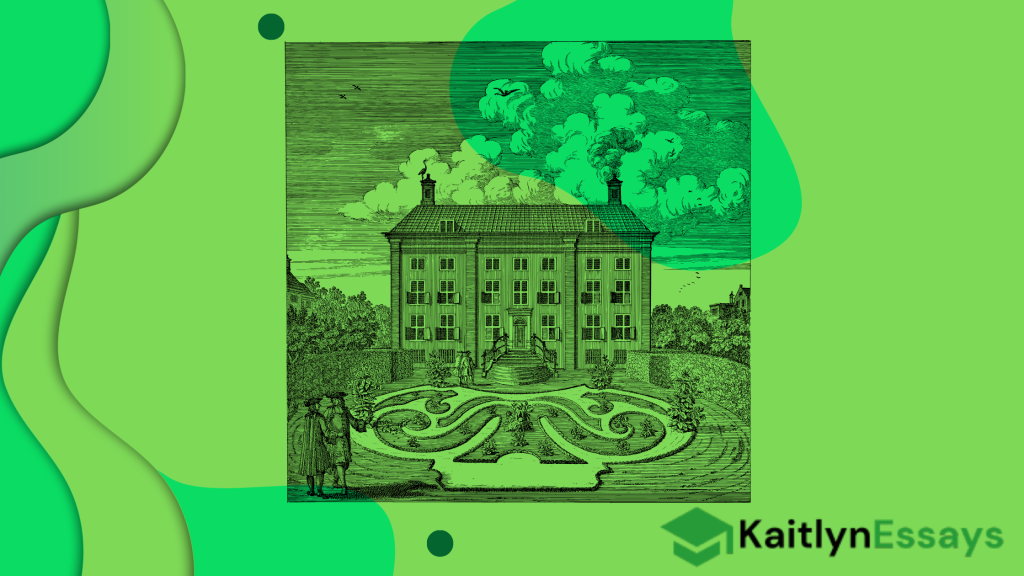
Central to the setting of “A Rose for Emily” is the Grierson mansion, once a grand and imposing structure that now stands as a symbol of decay and isolation. Faulkner describes the mansion in vivid detail, emphasizing its faded grandeur and the encroaching vines and dust that have overtaken it.
The mansion serves as a physical representation of the decline of the Old South and the fading aristocracy to which the Grierson family once belonged. As critic Judith Fetterley notes in her essay “A Rose for ‘A Rose for Emily,'” the mansion “suggests the passage of time and the way in which tradition is both preserved and betrayed.”
Furthermore, the mansion serves as a metaphor for Emily’s own psychological deterioration. Like the decaying house, Emily is trapped in the past, unable to adapt to the changing world around her. She becomes increasingly isolated from society, retreating further into the crumbling confines of her home.
The Town Square: Witness to History
Another significant setting in “A Rose for Emily” is the town square of Jefferson, which serves as a focal point for the community’s social and cultural life. Faulkner describes the town square as a place where “the men through a sort of respectful affection for a fallen monument” gather to pay their respects to Miss Emily.
The town square serves as a setting for key events in the story, including Emily’s refusal to pay taxes and her eventual death. It also serves as a symbol of the town’s collective memory and its attitudes toward the Grierson family, with generations of residents passing down stories and legends about Emily and her eccentric behavior.
The Barber Shop: A Hub of Gossip and Speculation

In “A Rose for Emily,” Faulkner introduces the barber shop as a setting where the men of Jefferson gather to gossip and speculate about Emily and her life. The barber shop serves as a microcosm of the town itself, reflecting the communal fascination with Emily’s mysterious behavior.
The barber shop also underscores the theme of collective memory and the unreliability of communal storytelling. As the men exchange rumors and anecdotes about Emily, the line between fact and fiction becomes blurred, highlighting the subjective nature of truth and memory.
Conclusion: The Setting as a Character
The setting of “A Rose for Emily” plays a central role in shaping the story’s themes and characters. Faulkner’s evocative descriptions of Jefferson, the Grierson mansion, the town square, and the barber shop create a rich and immersive world that draws readers into the narrative.
Through the setting, Faulkner explores themes of tradition, decay, isolation, and the passage of time, painting a vivid portrait of the Old South and its lingering effects on the present. The setting of “A Rose for Emily” is more than just a backdrop for the story—it is a dynamic and integral part of the narrative, functioning as a character in its own right.
As readers journey through the streets of Jefferson and explore the crumbling confines of the Grierson mansion, they are transported to a world where the past looms large and the ghosts of history haunt the present. Faulkner’s masterful use of setting elevates “A Rose for Emily” from a simple tale of Southern Gothic horror to a timeless masterpiece of American literature.
Elevate your grades and reduce stress by partnering with our professional academic writing service. From meticulously researched papers to flawless editing, we offer comprehensive solutions tailored to your needs. Don’t settle for mediocre work – seize the opportunity to excel in your studies with our assistance.
FAQs
How does setting contribute to “A Rose for Emily”?
The setting in “A Rose for Emily” plays a crucial role in shaping the story’s themes and characters. It reflects the atmosphere and ethos of the Old South, serves as a metaphor for the decline of tradition, and creates a sense of isolation and decay that surrounds the protagonist, Emily Grierson.
What are some key settings in A Rose for Emily?
Some key settings in “A Rose for Emily” include the town of Jefferson, the Grierson mansion, the town square, and the barber shop. Each of these settings serves a specific function in the narrative, reflecting different aspects of the story’s themes and characters.
How does Faulkner use setting to explore themes in “A Rose for Emily”?
Faulkner uses setting to explore themes of tradition, decay, isolation, and the passage of time in “A Rose for Emily.” Through detailed descriptions and rich imagery, he creates a vivid and immersive world that draws readers into the narrative and enhances their understanding of the story’s deeper meanings.
What is the significance of the Grierson mansion in “A Rose for Emily”?
The Grierson mansion serves as a symbol of decay and isolation in “A Rose for Emily.” It represents the decline of the Old South and the fading aristocracy to which the Grierson family once belonged. The mansion also serves as a metaphor for Emily’s own psychological deterioration, as she becomes increasingly isolated from society.
How does the setting in a rose for emily contribute to the atmosphere of “A Rose for Emily”?
The setting in “A Rose for Emily” creates a dark and atmospheric tone that enhances the story’s Gothic elements. Faulkner’s vivid descriptions of the town of Jefferson and the decaying Grierson mansion evoke a sense of foreboding and suspense, drawing readers into the world of the story.
Why is the town of Jefferson important in “A Rose for Emily”?
The town of Jefferson serves as a microcosm of the Old South in “A Rose for Emily.” Through the collective voice of its residents, the town reflects the social and cultural milieu of the time, shaping the actions and attitudes of its inhabitants, including the enigmatic protagonist, Emily Grierson.
How does Faulkner use setting to create suspense in “A Rose for Emily”?
Faulkner uses setting to create suspense in “A Rose for Emily” by creating a sense of mystery and foreboding that surrounds the Grierson mansion. The decaying mansion, with its dark and eerie atmosphere, becomes a focal point for the story’s Gothic elements, heightening the sense of anticipation and dread as the narrative unfolds.
Works Cited
Faulkner, William. “A Rose for Emily.” Collected Stories of William Faulkner. Random House, 1950.
Orvell, Michael. “Faulkner’s Geography: Yoknapatawpha County.” The Southern Review, vol. 20, no. 2, 1984, pp. 237-251.
Fetterley, Judith. “A Rose for ‘A Rose for Emily’.” The Georgia Review, vol. 28, no. 2, 1974, pp. 292-305.