

From the moment they enter the world, infants embark on a remarkable journey of psychological development. This complex process is deeply intertwined with the relationships they forge, particularly with their primary caregivers. Early relationships lay the foundation for a child’s understanding of themselves, others, and the world around them, serving as blueprints for future social and emotional well-being. This intricate dance between psychological development and attachment forms the heart of a fascinating area of study, offering invaluable insights into how human beings become who they are.
Exploring this topic illuminates the profound impact of early interactions on a child’s developing mind. We explore how responsive caregiving fosters a sense of security and trust, laying the groundwork for healthy emotional regulation and exploration. Conversely, inconsistent or insensitive caregiving can lead to attachment styles that impact everything from self-esteem and independence to the ability to form healthy relationships later in life. By understanding the intricate interplay between early social bonds and psychological growth, we gain invaluable knowledge about human potential, resilience, and the factors that shape who we become.
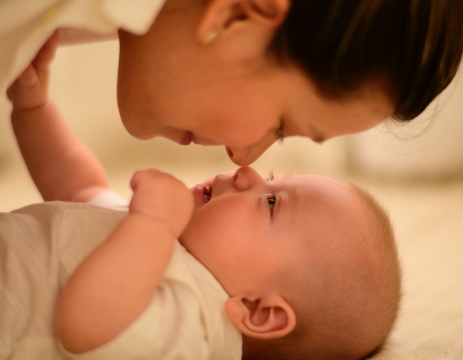
What are the psychological needs of a baby?
Babies, despite their limited means of communication, have a complex set of psychological needs crucial for their healthy development. These needs can be broadly categorized into:
Emotional Needs:
- Love and Affection: Babies thrive on feeling loved and accepted unconditionally. Physical touch, cuddles, warm smiles, and gentle interactions build a secure attachment, a fundamental foundation for future emotional well-being.
- Safety and Security: Babies are completely dependent on adults for their safety and well-being. Consistent responses to their needs, predictable routines, and a protective environment create a sense of security, allowing them to explore and learn without fear.
- Attention and Responsiveness: Babies need responsive caregivers who attend to their cries, coos, and gestures. Timely and appropriate responses to their cues build trust and communication skills, fostering emotional regulation and positive interactions with the world.
- Empathy and Understanding: Recognizing and validating a baby’s emotions, even through nonverbal cues, helps them learn to understand and manage their own feelings. This fosters emotional intelligence and builds the foundation for healthy relationships later in life.
Cognitive Needs:
- Stimulation and Exploration: Babies are naturally curious and learn best through exploration and play. Providing them with age-appropriate toys, opportunities to safely interact with their environment, and engaging interactions stimulates cognitive development and problem-solving skills.
- Routine and Predictability: While babies adapt well to change, having a predictable routine provides structure and helps them feel secure. Knowing what to expect next allows them to focus on learning and exploration rather than feeling anxious or confused.
- Communication and Interaction: Talking, singing, and engaging in back-and-forth interactions with babies stimulates language development and cognitive growth. Even seemingly simple interactions like responding to babbling or reading stories contribute significantly to their learning journey.
Physical Needs:
- Nutrition and Hydration: Healthy eating habits and ample hydration are crucial for physical growth and development. This also encompasses meeting their needs for sleep and comfortable surroundings.
- Sensory Sensitivity: Babies are constantly receiving information through their senses. Providing them with opportunities for safe sensory exploration, like textures, sounds, and movement, stimulates brain development and helps them understand the world around them.
What are the psychological changes in child development?
Psychological changes in child development are vast and intricate, unfolding across different stages and domains. Here’s a breakdown of some key areas:
Early Childhood (Birth to 5 years):
- Emotional Development: Rapid expansion of emotions beyond basic ones like joy and sadness. Development of self-awareness, empathy, and understanding of others’ emotions. Learning to express and manage emotions appropriately.
- Cognitive Development: Transition from concrete, sensory-based understanding to symbolic thought and language acquisition. Development of memory, problem-solving, and imagination. Exploration of cause-and-effect relationships and basic concepts of time and space.
- Social Development: Formation of early attachments with caregivers, followed by exploration of peer relationships. Development of play skills, communication, and cooperation. Emergence of self-concept and sense of identity.
Middle Childhood (6 to 11 years):
- Cognitive Development: Increased ability for abstract thinking, logical reasoning, and problem-solving. Development of critical thinking skills and understanding of multiple perspectives. Expansion of knowledge and vocabulary.
- Social Development: Increased importance of peer relationships and group dynamics. Development of social skills like collaboration, negotiation, and conflict resolution. Exploration of social roles and gender identity.
- Emotional Development: Greater regulation of emotions and understanding of complex emotions like shame and guilt. Development of emotional resilience and coping mechanisms. Growing self-awareness and self-esteem.
Adolescence (12 to 18 years):
- Cognitive Development: Development of formal operational thought, allowing for hypothesizing and abstract reasoning. Expansion of knowledge and interests across various domains. Increased capacity for self-reflection and critical thinking.
- Social Development: Transitioning from dependence on family to seeking independence and establishing autonomy. Exploration of romantic relationships and identity formation. Increased peer influence and exploration of social groups.
- Emotional Development: Intense and fluctuating emotions due to hormonal changes and self-exploration. Development of strong opinions and values. Increased self-consciousness and exploration of identity.
What are the 10 basic psychological needs for psychological development?
While there isn’t a universally accepted list of 10 “basic psychological needs,” a widely recognized framework in psychology identifies three core needs that are crucial for optimal psychological growth and well-being:
1. Autonomy: This refers to the need to feel a sense of control over your own choices, actions, and life direction. Having the freedom to make decisions, pursue your interests, and express yourself authentically contributes to self-determination and motivation.
2. Competence: This encompasses the need to feel effective and capable in facing challenges and mastering new skills. Experiencing a sense of mastery and growth fosters confidence, self-esteem, and intrinsic motivation.
3. Relatedness: This refers to the need for connection and belonging with others. Having meaningful relationships, feeling loved and accepted, and experiencing empathy and connection provide a sense of security, belonging, and social support.
These three core needs, proposed by Deci and Ryan in Self-Determination Theory, are considered fundamental for psychological well-being. However, some models expand on this framework to include additional needs:
4. Security and Safety: This encompasses the need to feel physically and emotionally safe, protected, and free from harm. Having a secure environment and supportive relationships fosters trust and a sense of well-being.
5. Meaning and Purpose: This refers to the need to find meaning and purpose in life, feeling that your actions and contributions have value. Having a sense of purpose motivates personal growth, engagement, and positive contributions to society.
6. Play and Exploration: This involves the need for opportunities to engage in playful activities, exploration, and discovery. Playful exploration fosters creativity, curiosity, and cognitive development.
7. Identity and Self-Esteem: This encompasses the need to develop a healthy sense of self, including positive self-worth and a stable identity. Understanding yourself, your values, and your strengths contributes to confidence and emotional well-being.
8. Physical and Mental Health: This refers to the need to maintain overall well-being across physical and mental aspects. Taking care of your physical health and addressing mental health challenges are crucial for optimal functioning and happiness.
9. Growth and Development: This involves the need to continuously learn, grow, and evolve as individuals. Seeking new experiences, challenging yourself, and striving for personal development contribute to a fulfilling life.
10. Contribution and Altruism: This refers to the need to connect with something larger than yourself and contribute positively to others or your community. Feeling like you are making a difference enhances purpose and well-being.
Resources
- Books:
- “Drive: The Surprising Truth About What Motivates Us” by Daniel H. Pink .amazon.comBook Drive: The Surprising Truth About What Motivates Us by Daniel H. Pink”The Happiness Hypothesis: Finding Modern Happiness in a World of Too Much” by Jonathan Haidt amazon.co.ukBook The Happiness Hypothesis: Finding Modern Happiness in a World of Too Much by Jonathan Haidt”Man’s Search for Meaning” by Viktor Frankl barnesandnoble.comBook Man’s Search for Meaning by Viktor Frankl
- The American Psychological Association: https://www.apa.org/
- Books: