

Parkinson’s disease (PD) is a neurodegenerative disorder affecting over 10 million people globally. Characterized by progressive loss of dopamine-producing neurons in the brain, it manifests in tremors, stiffness, slowness of movement, and postural instability. As future nurses, understanding PD and implementing effective precautions is crucial for ensuring optimal patient care and quality of life.
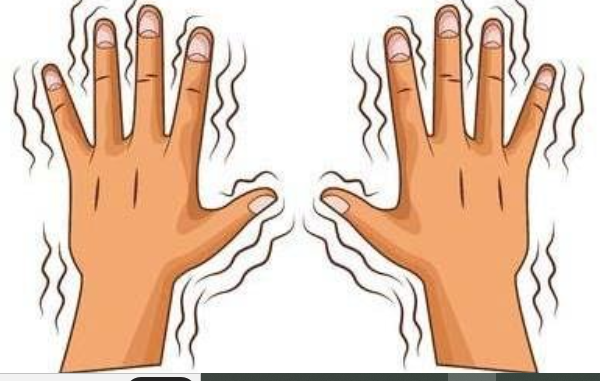
What are the 4 types of Parkinson’s disease?
It’s important to clarify that while there are various ways to categorize Parkinson’s disease. Based on symptoms and progression, there aren’t distinct types as commonly understood. Parkinson’s itself presents with a spectrum of symptoms and variations, but it’s still considered one disease. However, there are a few related conditions, sometimes referred to as “atypical parkinsonism,” that share some symptoms with PD but have different underlying causes and progressions. Here’s a breakdown:
1. Idiopathic Parkinson’s Disease (PD):
This is the most common form, making up about 80-90% of cases. It’s characterized by the core symptoms of tremors, rigidity, slowness of movement, and postural instability, along with a range of other potential non-motor symptoms like fatigue, sleep disturbances, and cognitive decline. The cause of PD is still unknown, although several contributing factors are being investigated.
2. Atypical Parkinsonism:
These are a group of neurodegenerative disorders that share some symptoms with PD but have different underlying causes and progressions. Some common types include:
- Progressive supranuclear palsy (PSP): This affects eye movement, balance, mobility, speech, and swallowing more prominently than tremors.
- Multiple system atrophy (MSA): This affects multiple body systems, including autonomic functions, bladder control, and blood pressure regulation, alongside movement difficulties.
- Corticobasal degeneration (CBD): This primarily affects one side of the body, causing clumsiness, stiffness, and difficulty speaking.
- Dementia with Lewy bodies (DLB): This involves both cognitive decline and parkinsonian motor symptoms.
3. Secondary Parkinsonism:
This refers to parkinsonian symptoms caused by other factors, such as head injuries, certain medications, or exposure to toxins.
4. Juvenile Parkinsonism:
This rare form of Parkinson’s begins before the age of 20 and typically progresses more rapidly than typical PD.
What are the five 5 signs of Parkinson’s disease?
While there isn’t a definitive list of only “five” signs of Parkinson’s disease, there are several core symptoms that are considered hallmarks of the condition. Here are five key ones to be aware of:
1. Tremor: This is often the most recognizable symptom, but it’s not present in all individuals with PD. The tremor typically starts in the hand or fingers and may be described as a “pill-rolling” movement. It usually occurs at rest and may improve with activity.
2. Rigidity: This refers to increased muscle stiffness, making movement feel slow and jerky. It can affect any part of the body, causing tightness and difficulty with activities like turning or getting out of bed.
3. Bradykinesia: This means slowness of movement, often described as a feeling of having difficulty initiating or completing movements. Tasks like buttoning a shirt, writing, or walking may become slow and require more effort.
4. Postural instability: This refers to difficulty maintaining balance and posture, increasing the risk of falls. Individuals with PD may experience stooping, shuffling gait, or sudden loss of balance.
5. Speech and swallowing difficulties: As the disease progresses, speech may become softer, slurred, or monotonous. Swallowing difficulties can also occur, leading to drooling and increased risk of aspiration (food or liquid entering the lungs).
Understanding the Risks:
Several factors can exacerbate PD symptoms or increase the risk of complications:
- Falls: Impaired balance and rigidity make falls a significant concern, potentially leading to fractures and other injuries.
- Medication side effects: Levodopa, the primary medication for PD, can cause dyskinesias (involuntary movements) and other side effects requiring adjustments.
- Skin breakdown: Reduced mobility and impaired sensation can increase the risk of pressure ulcers and skin infections.
- Swallowing difficulties: Dysphagia can lead to malnutrition and aspiration pneumonia, requiring specialized feeding strategies.
- Cognitive decline: Dementia can develop in later stages, necessitating additional care considerations.
Implementing Precautions:
1. Fall Prevention:
- Promote mobility and strength training: Encourage safe exercises like walking, tai chi, and occupational therapy to improve balance and coordination.
- Reduce environmental hazards: Remove clutter, ensure adequate lighting, and install grab bars in bathrooms.
- Promote proper footwear: Opt for well-fitting, closed-toe shoes with good traction.
- Utilize assistive devices: Canes, walkers, or assistive wheelchairs can improve stability and confidence.
- Educate patients and families: Provide fall prevention strategies and encourage open communication about concerns.
2. Medication Management:
- Administer medications accurately and on time: Ensure optimal medication adherence for symptom control.
- Monitor for side effects: Report any new or worsening side effects to the healthcare team.
- Educate patients on medication effects: Explain potential side effects and strategies to manage them.
- Consider alternative medications: Discuss options with the healthcare team if side effects are bothersome.
3. Skin Care:
- Inspect skin regularly: Check for redness, or signs of infection, especially over bony prominences.
- Maintain skin hydration: Moisturize regularly to prevent dryness and cracking.
- Reposition frequently: Help patients change positions every 2 hours to prevent pressure ulcers.
- Promote proper nutrition and hydration: Good nutrition supports skin health and wound healing.
4. Nutritional and Swallowing Concerns:
- Assess swallowing ability: Screen for dysphagia and refer for speech-language therapy if needed.
- Modify food consistency: Puree or thicken foods as necessary to ease swallowing.
- Offer smaller, more frequent meals: This decreases the risk of aspiration and promotes better digestion.
- Monitor hydration: Ensure adequate fluid intake to prevent dehydration and constipation.
5. Cognitive Support:
- Orient patients to time and place: Use clocks, calendars, and familiar routines to maintain orientation.
- Engage in cognitive stimulation: Encourage mental activities like puzzles, reading, and socializing.
- Assist with daily tasks: Provide assistance with medication management, finances, and other necessary tasks as needed.
- Support communication: Use clear, concise language and allow ample time for responses.
Additional Considerations:
- Mental health: PD can lead to depression and anxiety. Be mindful of emotional well-being and connect patients with support resources.
- Pain management: Pain is a common PD symptom. Assess pain level regularly and implement appropriate pain management strategies.
- Socialization and support: Encourage social interaction and connect patients with support groups to combat isolation and improve well-being.
Each person with PD is unique, and what may work for one individual may not work for another. Therefore, it is vital to discover the techniques that suit you best and modify them as required. If you require any assistance in coming up with methods or completing any other tasks, do not hesitate to contact our experts.