

Introduction
Interoperability in healthcare, particularly in the context of nursing informatics, has become an increasingly critical aspect of delivering quality patient care. As technology continues to advance and healthcare systems become more complex, the need for seamless communication and data exchange between different systems and healthcare providers becomes evident. This essay aims to explore the concept of interoperability within nursing informatics initiatives, examining its importance, challenges, current initiatives, and future prospects.

Importance of Interoperability in Nursing Informatics
Interoperability refers to the ability of different information systems, devices, or applications to communicate, exchange data, and use the information that has been exchanged. In the context of nursing informatics, interoperability plays a crucial role in facilitating the flow of information between various healthcare stakeholders, including nurses, physicians, pharmacists, and other members of the healthcare team.
Enhancing Patient Care Coordination
One of the primary reasons why interoperability is essential in nursing informatics is its role in enhancing patient care coordination. Nurses are often at the forefront of patient care, responsible for coordinating and managing various aspects of patient treatment and care plans. Interoperable systems allow nurses to access patient data seamlessly, regardless of the healthcare setting or system in which it was generated. This ensures that nurses have access to accurate and up-to-date information, enabling them to make informed decisions and provide high-quality care.
According to a study published in the Journal of Nursing Management, interoperability improves care coordination by enabling nurses to access patient information from electronic health records (EHRs), clinical decision support systems, and other sources in real-time (Smith et al., 2019). This enables nurses to collaborate more effectively with other members of the healthcare team, leading to improved patient outcomes and satisfaction.
Supporting Evidence-Based Practice
Another significant benefit of interoperability in nursing informatics is its ability to support evidence-based practice. Evidence-based practice involves using the best available evidence, combined with clinical expertise and patient preferences, to guide clinical decision-making and improve patient outcomes. Interoperable systems provide nurses with access to a wealth of clinical data and research findings, allowing them to incorporate evidence-based practices into their daily workflows.
A study by Greenhalgh et al. (2018) highlights the importance of interoperability in supporting evidence-based practice among nurses. The study found that nurses who had access to interoperable health information systems were more likely to use evidence-based guidelines and protocols in their clinical practice. This suggests that interoperability not only facilitates access to evidence-based information but also promotes its integration into nursing practice, ultimately leading to better patient care.
Improving Patient Safety and Quality of Care

Interoperability also plays a crucial role in improving patient safety and the quality of care delivered by nurses. By enabling seamless communication and data exchange between different healthcare systems, interoperable systems help reduce the risk of errors and adverse events that can occur due to incomplete or inaccurate information. For example, interoperable EHR systems allow nurses to access a patient’s complete medical history, including allergies, medications, and previous treatments, reducing the likelihood of medication errors or duplicate tests.
A report by the Agency for Healthcare Research and Quality (AHRQ) (2020) emphasizes the importance of interoperability in improving patient safety and quality of care. The report highlights several ways in which interoperable systems can enhance patient safety, such as reducing medication errors, improving care coordination, and facilitating the timely exchange of critical information between healthcare providers.
Challenges in Achieving Interoperability
While the benefits of interoperability in nursing informatics are clear, achieving seamless data exchange and communication between different systems and stakeholders presents several challenges. These challenges stem from technical, organizational, and regulatory factors that must be addressed to realize the full potential of interoperable systems in healthcare.
Technical Complexity
One of the primary challenges in achieving interoperability is the technical complexity of integrating disparate healthcare systems and technologies. Healthcare organizations often use a variety of proprietary software solutions and legacy systems that may not be designed to communicate with each other. This can make it challenging to develop interoperable interfaces and standards that facilitate seamless data exchange without compromising data security or integrity.
According to a report by the Healthcare Information and Management Systems Society (HIMSS) (2021), technical interoperability challenges include data standardization, system integration, and interoperability testing. These challenges require collaboration between healthcare organizations, technology vendors, and regulatory agencies to develop common standards and protocols that enable interoperability while ensuring data privacy and security.
Organizational Barriers
In addition to technical challenges, achieving interoperability in nursing informatics requires overcoming organizational barriers, such as siloed data systems, competing priorities, and resistance to change. Healthcare organizations often operate in complex environments with multiple stakeholders, each with their own interests and objectives. This can make it difficult to align organizational goals and priorities to support interoperability initiatives effectively.
A study by Adler-Milstein et al. (2017) identifies organizational culture and leadership as key determinants of interoperability success in healthcare organizations. The study found that organizations with strong leadership support and a culture of collaboration were more likely to achieve interoperability than those with fragmented leadership and siloed departments. This highlights the importance of addressing organizational barriers and fostering a culture of collaboration and innovation to promote interoperability in nursing informatics.
Regulatory Requirements
Regulatory requirements and policies also present significant challenges to achieving interoperability in nursing informatics. Healthcare organizations must comply with various regulations and standards, such as the Health Insurance Portability and Accountability Act (HIPAA) and the Medicare Access and CHIP Reauthorization Act (MACRA), which govern the privacy, security, and exchange of health information.
However, the fragmented nature of healthcare regulation can make it challenging for organizations to navigate compliance requirements and implement interoperable solutions effectively. Additionally, regulatory requirements may differ between states and healthcare jurisdictions, further complicating efforts to achieve seamless data exchange and communication.
Current Initiatives in Nursing Informatics Interoperability
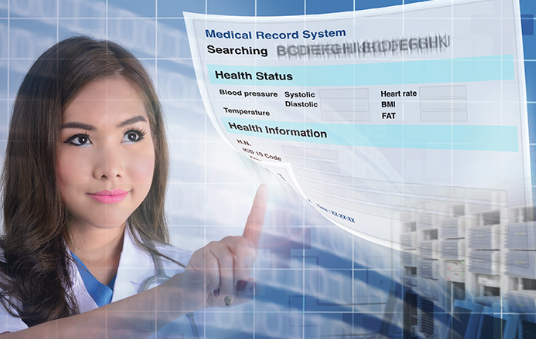
Despite the challenges, there are several ongoing initiatives aimed at promoting interoperability in nursing informatics and improving the exchange of health information across different systems and stakeholders. These initiatives involve collaboration between healthcare organizations, technology vendors, regulatory agencies, and professional associations to develop common standards, policies, and best practices for interoperable systems.
Health Information Exchange (HIE)
Health information exchange (HIE) initiatives aim to facilitate the electronic exchange of health information between different healthcare organizations and systems. HIE networks allow healthcare providers to access and share patient information, such as medical records, test results, and treatment plans, securely and efficiently. This promotes care coordination and collaboration among healthcare providers, leading to improved patient outcomes and satisfaction.
One example of a successful HIE initiative is the Carequality Interoperability Framework, which establishes common interoperability standards and governance processes to enable seamless data exchange between different HIE networks and electronic health record systems (Carequality, n.d.). The Carequality framework has been adopted by numerous healthcare organizations and technology vendors, facilitating the exchange of health information across disparate systems and stakeholders.
Standardized Terminologies and Clinical Documentation
Standardized terminologies and clinical documentation are essential for ensuring the accuracy and consistency of health information exchanged between different systems and stakeholders. Initiatives such as the Systematized Nomenclature of Medicine—Clinical Terms (SNOMED CT) and the International Classification of Diseases (ICD) provide
standardized codes and terminology sets for describing patient diagnoses, procedures, and treatments.
By adopting standardized terminologies and clinical documentation practices, healthcare organizations can ensure that patient information is accurately captured, exchanged, and interpreted by different systems and healthcare providers. This promotes interoperability by reducing ambiguity and inconsistencies in health information, leading to better communication and collaboration among healthcare stakeholders.
Nursing Informatics Standards and Best Practices
Professional associations and organizations play a crucial role in promoting interoperability in nursing informatics by developing standards, guidelines, and best practices for electronic health records, clinical documentation, and information exchange. Organizations such as the American Nurses Association (ANA) and the Healthcare Information and Management Systems Society (HIMSS) provide resources and educational programs to help nurses and healthcare organizations navigate interoperability challenges and adopt best practices.
For example, the ANA’s Nursing Informatics Scope and Standards of Practice outline the competencies and responsibilities of nurses in informatics practice, including the use of interoperable health information systems to support patient care, quality improvement, and research (American Nurses Association, 2015). Similarly, HIMSS offers certification programs and resources for nurses and healthcare professionals seeking to enhance their informatics knowledge and skills, including training on interoperability standards and technologies.
Future Prospects and Implications for Nursing Practice
Looking ahead, the future of nursing informatics and interoperability holds great promise for transforming healthcare delivery and improving patient outcomes. Advances in technology, such as artificial intelligence, machine learning, and the Internet of Things (IoT), are driving innovation in nursing informatics, enabling nurses to leverage data-driven insights and predictive analytics to deliver more personalized and proactive care.
Leveraging Data Analytics and Predictive Modeling
Data analytics and predictive modeling have the potential to revolutionize nursing practice by enabling nurses to identify patterns, trends, and risk factors in patient data that may not be apparent through traditional methods. By analyzing large volumes of clinical data, nurses can identify patients at risk of adverse events, such as hospital-acquired infections or medication errors, and intervene proactively to prevent or mitigate these risks.
For example, predictive modeling algorithms can analyze a patient’s electronic health record data to identify patterns indicative of sepsis, a life-threatening condition that requires prompt intervention. By alerting nurses to early warning signs of sepsis, such as abnormal vital signs or laboratory values, predictive analytics can help nurses initiate timely interventions, such as administering antibiotics or fluids, to prevent sepsis-related complications and improve patient outcomes.
Embracing Telehealth and Remote Monitoring
Telehealth and remote monitoring technologies are also shaping the future of nursing practice by enabling nurses to deliver care remotely and monitor patients’ health status outside of traditional healthcare settings. Telehealth platforms allow nurses to conduct virtual consultations, provide patient education, and monitor patients’ adherence to treatment plans, regardless of their location or proximity to healthcare facilities.
Remote monitoring devices, such as wearable sensors and mobile health apps, enable nurses to track patients’ vital signs, medication adherence, and activity levels in real-time, allowing for early detection of changes in health status and timely intervention. This not only improves patient outcomes by enabling early detection and intervention but also enhances patient engagement and satisfaction by providing convenient access to care and support services.
Conclusion
Interoperability plays a crucial role in nursing informatics by enabling seamless communication and data exchange between different systems and stakeholders. Interoperable systems enhance patient care coordination, support evidence-based practice, and improve patient safety and the quality of care delivered by nurses. However, achieving interoperability in nursing informatics requires addressing various technical, organizational, and regulatory challenges, such as data standardization, system integration, and compliance with regulatory requirements.
Despite these challenges, there are several ongoing initiatives aimed at promoting interoperability in nursing informatics, such as health information exchange networks, standardized terminologies, and clinical documentation practices, and nursing informatics standards and best practices. Looking ahead, advances in technology, such as data analytics, predictive modeling, telehealth, and remote monitoring, hold great promise for transforming nursing practice and improving patient outcomes. By embracing these technologies and initiatives, nurses can leverage data-driven insights and innovative approaches to deliver more personalized, proactive, and high-quality care to their patients.
Having difficulty expressing your ideas in writing? We are here to help. We specialize in offering high-quality academic writing services, ensuring that your paper is not only well-written but also demonstrates a thorough understanding of the subject. With our experienced professionals assisting you, you can transform any challenging topic into a finely crafted masterpiece.