

Introduction
Healthcare access is a fundamental human right, yet significant disparities persist across different nations, with the United States often facing scrutiny for its healthcare system’s shortcomings. This paper aims to explore healthcare access disparities by conducting a comparative study between the United States and other nations. By analyzing various factors such as healthcare coverage, affordability, and health outcomes, we can gain insights into the underlying reasons for these disparities and identify potential areas for improvement.
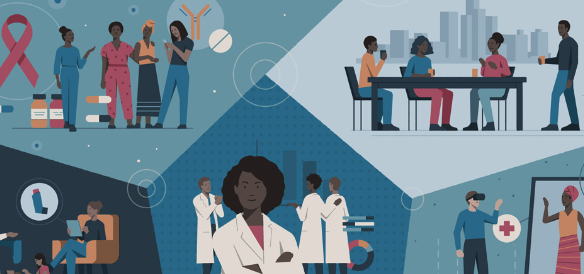
Healthcare Access in US.
In the United States, health care access remains a critical issue, impacting millions of Americans. Let’s explore some key aspects:
- Health Insurance Coverage:
- Private Insurance: Most Americans receive health coverage through private insurance plans offered by employers or purchased individually.
- Government Programs: Two major federal government programs play a significant role:
- Challenges:
- Uninsured Population: Approximately 1 in 10 people in the U.S. lack health insurance. Without insurance, individuals are less likely to have a primary care provider and may struggle to afford necessary health services and medications.
- Geographic Barriers: Some people live far from health care providers, limiting their access to recommended services like cancer screenings.
- Timely Care: Ensuring timely access to preventive care and treatment for chronic illnesses is crucial. Interventions to improve communication and expand access to health care professionals, both in-person and remotely, can bridge these gaps3.
- Efforts to Improve Access:
- Healthy People 2030: This initiative focuses on increasing access to comprehensive, high-quality health care services. Strategies include expanding insurance coverage rates and promoting preventive care.
- Community Organizations: Efforts to increase the number of community organizations providing prevention services can enhance access3.
Addressing health care access challenges requires a multifaceted approach, including policy changes, better communication, and equitable distribution of services3
Healthcare Coverage and Insurance Systems
One of the primary factors contributing to healthcare access disparities is the variation in healthcare coverage and insurance systems among different countries. In the United States, access to healthcare is largely dependent on having health insurance, whether through private insurers, employer-sponsored plans, or government programs such as Medicare and Medicaid. However, despite the Affordable Care Act’s efforts to expand coverage, millions of Americans remain uninsured or underinsured, limiting their access to essential healthcare services.
In contrast, many other developed countries have universal healthcare systems that provide coverage to all citizens, regardless of their ability to pay. Countries like Canada, the United Kingdom, and Australia have single-payer or government-funded healthcare systems, which ensure that everyone has access to necessary medical care without financial barriers. This difference in insurance coverage contributes significantly to disparities in healthcare access between the United States and these nations.
Affordability of Healthcare Services

Another crucial aspect of healthcare access is the affordability of medical services and treatments. In the United States, healthcare costs are notoriously high, with patients often facing exorbitant bills for even routine medical procedures or prescription medications. The lack of price regulation and the influence of pharmaceutical companies and medical providers contribute to inflated healthcare prices, making it difficult for many Americans to afford necessary healthcare services.
In comparison, countries with universal healthcare systems typically have lower healthcare costs and greater price transparency. Government negotiation of drug prices, bulk purchasing of medical supplies, and centralized healthcare administration help control costs and ensure that healthcare services remain affordable for all citizens. As a result, individuals in these countries are less likely to forgo necessary medical care due to financial constraints, leading to better health outcomes overall.
Health Outcomes and Quality of Care
While access to healthcare is essential, it is equally important to consider health outcomes and the quality of care provided. Despite spending more on healthcare per capita than any other country, the United States does not consistently achieve better health outcomes than nations with universal healthcare systems. In fact, the U.S. lags behind many other developed countries in key health indicators such as life expectancy, infant mortality, and preventable disease rates.
The reasons for these disparities in health outcomes are multifaceted and include factors such as socioeconomic inequalities, disparities in healthcare access, and differences in healthcare delivery and preventive care practices. While the United States excels in certain areas of medical innovation and specialized treatments, these advancements do not necessarily translate into better overall health for the population, particularly for marginalized and underserved communities.
Addressing Healthcare Access Disparities

To address healthcare access disparities in the United States and improve health outcomes for all citizens, several policy reforms and initiatives are needed. First and foremost, there is a pressing need for comprehensive healthcare reform that moves towards a universal coverage system, ensuring that all Americans have access to affordable and high-quality healthcare services.
Additionally, efforts to reduce healthcare costs, increase price transparency, and promote preventive care and public health initiatives are essential for improving overall health outcomes and narrowing disparities. Investing in primary care, community health centers, and healthcare workforce development can also help expand access to care, particularly in underserved rural and urban areas.
Furthermore, addressing social determinants of health such as poverty, education, housing, and food insecurity is critical for reducing health disparities and promoting health equity. By adopting a holistic approach that addresses both medical and social factors influencing health, policymakers can create a more equitable and accessible healthcare system that benefits all Americans.
Conclusion
In conclusion, healthcare access disparities remain a significant challenge in the United States, with millions of Americans facing barriers to accessing affordable and high-quality healthcare services. By conducting a comparative study with other nations, we can identify key differences in healthcare coverage, affordability, and health outcomes and gain insights into potential strategies for addressing these disparities.
Moving towards a universal healthcare system, controlling healthcare costs, improving price transparency, and addressing social determinants of health are crucial steps towards achieving health equity and ensuring that all Americans have access to the care they need to live healthy and fulfilling lives. Only through concerted efforts and collaborative action can we overcome healthcare access disparities and build a healthcare system that works for everyone.
Having difficulty expressing your ideas in writing? We are here to help. We specialize in offering high-quality academic writing services, ensuring that your paper is not only well-written but also demonstrates a thorough understanding of the subject. With our experienced professionals assisting you, you can transform any challenging topic into a finely crafted masterpiece.