

Evidence-Based Nursing Practice
In the ever-evolving landscape of nursing, evidence-based practice (EBP) stands as a fundamental pillar, ensuring the delivery of top-notch patient care. Yet, for nursing students, bridging the gap between this essential concept and proficient academic writing can present daunting hurdles. In this extensive Guide, we not only underscore the paramount importance of evidence-based practice in nursing assignments but also furnish students with a robust toolkit, empowering them to seamlessly infuse current research findings and best evidence into their written work. Through this guide, students will gain invaluable insights and practical strategies to elevate their writing prowess while staying firmly rooted in evidence-based approaches, thereby nurturing their ability to contribute meaningfully to the healthcare landscape.
What is evidence-based practice in nursing assignment?
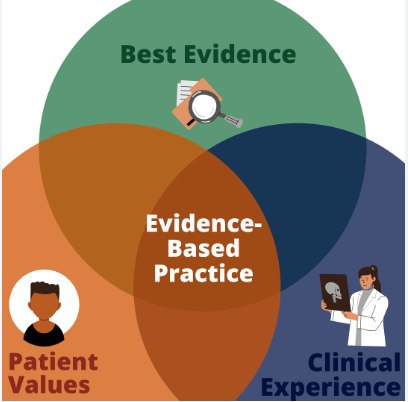
Evidence-based practice in nursing assignments involves incorporating the latest research findings, clinical expertise, and patient preferences to inform decision-making and care delivery. It’s about using credible evidence to support your arguments, interventions, and recommendations in written assignments, ensuring that your work is grounded in the most up-to-date and reliable information available. This approach not only enhances the quality of your assignments but also strengthens your ability to provide effective, evidence-based care in real-world nursing practice.
Principles of Evidence-Based Practice (EBP)
Firstly, clinical expertise involves drawing upon the knowledge and skills gained through experience and education in healthcare. Nurses bring their unique understanding of patient care, treatment modalities, and healthcare systems to the table, allowing them to make informed decisions and recommendations.
Secondly, patient preferences play a crucial role in EBP. Recognizing that each patient is unique with their own values, beliefs, and priorities, nurses must involve patients in the decision-making process. Understanding and respecting patient preferences ensures that care is tailored to meet individual needs and enhances patient satisfaction and adherence to treatment plans.
Finally, EBP relies on the integration of the best available evidence from research and clinical practice. This involves staying current with the latest scientific literature, critically appraising research studies, and applying findings that are relevant, valid, and applicable to specific patient populations and clinical settings. By incorporating evidence-based interventions and practices, nurses can enhance the quality and effectiveness of patient care while minimizing potential risks and harm.
Overall, the principles of EBP emphasize the importance of combining clinical expertise, patient preferences, and evidence-based research to optimize patient outcomes and promote high-quality, patient-centered care in nursing practice.
How do you demonstrate evidence-based practice in nursing?
Demonstrating evidence-based practice in nursing involves several key steps:
- Identifying a Clinical Question: Start by pinpointing a specific issue or question related to patient care. This could involve assessing a treatment approach, exploring a symptom management strategy, or evaluating the effectiveness of an intervention.
- Gathering Evidence: Conduct a thorough search for relevant evidence to address the clinical question. This may include reviewing peer-reviewed research articles, clinical practice guidelines, systematic reviews, and other reputable sources of information.
- Critical Appraisal: Evaluate the quality and relevance of the evidence gathered. Consider factors such as the study design, sample size, methodology, and applicability to your patient population and clinical setting.
- Integration: Integrate the findings from the evidence with your own clinical expertise and judgment. Consider how the evidence aligns with your patient’s unique circumstances, preferences, and values.
- Implementation: Develop and implement a plan of care based on the synthesized evidence, clinical expertise, and patient preferences. This may involve modifying existing interventions, introducing new approaches, or collaborating with other members of the healthcare team.
- Evaluation: Continuously monitor and evaluate the outcomes of your interventions. Assess whether the implemented care plan is achieving the desired results and make adjustments as necessary based on new evidence or changes in the patient’s condition.
By following these steps, nurses can effectively demonstrate evidence-based practice in their clinical decision-making, ultimately leading to improved patient outcomes and quality of care.
The Importance of EBP in Nursing
Evidence-Based Practice (EBP) holds immense importance in the field of nursing for several reasons. Firstly, it ensures that nursing interventions and treatments are grounded in the best available evidence, which ultimately leads to improved patient outcomes and safety. By incorporating current research findings and clinical expertise, nurses can make informed decisions that are tailored to individual patient needs and preferences.
Secondly, EBP fosters a culture of critical thinking and lifelong learning among nurses. It encourages them to continually seek out and evaluate new evidence, staying abreast of advancements in healthcare and refining their practice accordingly. This commitment to ongoing education and professional development not only enhances the quality of patient care but also strengthens the nursing profession as a whole.
Furthermore, EBP promotes efficiency and cost-effectiveness in healthcare delivery. By utilizing evidence-based interventions and practices, nurses can optimize resource allocation, minimize unnecessary procedures or treatments, and maximize the value of healthcare services.
Finally, EBP serves as a bridge between research and practice, facilitating the translation of scientific evidence into real-world clinical settings. Through the implementation of evidence-based guidelines and protocols, nurses can ensure consistency and standardization in care delivery, leading to more predictable and reliable outcomes for patients.
In essence, the importance of EBP in nursing lies in its ability to elevate the quality of care, promote professional growth, optimize resource utilization, and bridge the gap between research and practice, ultimately benefiting both patients and healthcare providers alike.
What are the 5 steps of evidence-based practice in nursing?
The five steps of evidence-based practice in nursing are commonly referred to as the “5 A’s”:
- Ask: Formulate a clear and focused clinical question based on a specific patient problem or scenario. This question should be structured using the PICO format, which stands for Patient/Population, Intervention, Comparison, and Outcome.
- Acquire: Conduct a comprehensive search for evidence relevant to the clinical question. Utilize databases, journals, clinical practice guidelines, and other reputable sources to gather high-quality research articles and information.
- Appraise: Critically evaluate the gathered evidence to assess its validity, reliability, and applicability to the clinical question and patient population. Consider factors such as study design, sample size, methodology, and potential biases.
- Apply: Integrate the findings from the appraised evidence with your clinical expertise and the patient’s preferences and values. Develop a plan of care or intervention based on the synthesized evidence, ensuring that it aligns with the individual needs and circumstances of the patient.
- Assess: Continuously monitor and evaluate the outcomes of the implemented plan of care. Assess whether the intervention is achieving the desired results and make adjustments as necessary based on new evidence, changes in the patient’s condition, or feedback from the healthcare team.
Following these five steps, nurses can effectively integrate evidence-based practice into their clinical decision-making, ultimately leading to improved patient outcomes and quality of care.
Navigating the Components of Evidence-Based Practice
Here are practical examples of how nursing students can incorporate Evidence-Based Practice (EBP) principles into their assignments:
- Literature Reviews:
- Identifying Relevant Studies: Begin by searching databases such as PubMed or CINAHL for recent research articles related to the topic of interest. For example, if the assignment focuses on the effectiveness of hand hygiene interventions in reducing healthcare-associated infections, students can search for studies evaluating various hand hygiene techniques and their impact on infection rates.
- Critical Appraisal: Evaluate the quality and reliability of the selected studies using tools such as the CASP (Critical Appraisal Skills Programme) checklist. Assess factors such as study design, sample size, methodology, and potential biases to determine the strength of the evidence.
- Synthesizing Findings: Summarize the key findings of the selected studies and identify common themes or trends. Compare and contrast the results to identify gaps or inconsistencies in the literature.
- Case Studies:
- Assessment and Diagnosis: Begin by assessing the patient’s presenting symptoms and medical history. Based on the available evidence and clinical guidelines, formulate a differential diagnosis and develop a plan for further diagnostic evaluation.
- Intervention and Treatment: Identify evidence-based interventions and treatments that are appropriate for the patient’s condition. Consider factors such as efficacy, safety, and patient preferences when selecting interventions.
- Evaluation and Follow-up: Monitor the patient’s response to treatment and adjust the plan of care as needed based on ongoing assessment and new evidence. Document the outcomes of the interventions and reflect on any lessons learned from the case.
- Research Papers:
- Formulating a Research Question: Develop a clear and focused research question that addresses a gap or problem in the current literature. For example, if the assignment focuses on pain management in elderly patients, the research question could explore the effectiveness of non-pharmacological interventions in reducing pain.
- Study Design and Methodology: Select an appropriate study design (e.g., randomized controlled trial, observational study) and methodology to address the research question. Ensure that the study design is feasible given the available resources and ethical considerations.
- Data Collection and Analysis: Collect data using standardized measures and instruments, and analyze the data using appropriate statistical methods. Interpret the results in the context of the research question and discuss their implications for nursing practice.
- Conclusion and Recommendations: Summarize the key findings of the study and discuss their relevance to clinical practice. Provide recommendations for future research or implications for nursing education and practice based on the study findings.
By incorporating EBP principles into their assignments, nursing students can develop critical thinking skills, enhance their understanding of evidence-based practice, and contribute to the advancement of nursing knowledge and practice.
Tools and Resources for Accessing Evidence
There are several tools and resources available to nursing students for accessing evidence:
- Databases: Utilize databases such as PubMed, CINAHL (Cumulative Index to Nursing and Allied Health Literature), and Cochrane Library to search for peer-reviewed research articles, systematic reviews, and clinical practice guidelines relevant to your topic of interest.
- Journal Subscriptions: Access nursing journals and publications through your university or institution’s library subscriptions. These journals often feature the latest research and evidence-based practice guidelines in nursing and healthcare.
- Clinical Practice Guidelines: Consult evidence-based clinical practice guidelines developed by professional organizations and healthcare institutions. These guidelines provide recommendations for best practices based on the latest research evidence and expert consensus.
- Online Repositories: Explore online repositories and repositories such as Open Access Journals, Directory of Open Access Journals (DOAJ), and PubMed Central for free access to scholarly articles and research publications in nursing and healthcare.
- Evidence-Based Practice Websites: Visit websites dedicated to evidence-based practice in nursing, such as the Joanna Briggs Institute (JBI), Evidence-Based Nursing (EBN), and Agency for Healthcare Research and Quality (AHRQ). These websites offer resources, tools, and guidelines to support evidence-based decision-making and practice.
- Library Services: Take advantage of library services and resources offered by your university or institution, such as literature search assistance, interlibrary loan services, and access to electronic journals and databases.
Leveraging these tools and resources, nursing students can access high-quality evidence to inform their academic assignments, clinical decision-making, and evidence-based practice initiatives.
Addressing Challenges in Applying EBP to Nursing Assignments
Addressing challenges in applying Evidence-Based Practice (EBP) to nursing assignments is crucial for ensuring that students can effectively integrate research evidence into their academic work. Some common challenges and strategies to overcome them include:
- Limited Access to Resources: Many students may face challenges in accessing scholarly articles and research databases. To address this, institutions can provide students with access to electronic journals and databases through library subscriptions. Additionally, educators can teach students how to utilize open-access resources and repositories for accessing evidence-based literature.
- Difficulty Understanding Research Methodology: Understanding research methodology and statistical analysis can be challenging for students. Educators can provide training sessions or workshops on research methods and critical appraisal skills to help students develop a better understanding of study designs, data analysis techniques, and research terminology.
- Time Constraints: Nursing students often have busy schedules with clinical placements, coursework, and other responsibilities. To overcome time constraints, educators can incorporate EBP principles into the curriculum early on and provide students with structured assignments that allow them to gradually build their skills in evidence-based practice over time.
- Resistance to Change: Some students may be resistant to adopting evidence-based practices due to a preference for traditional approaches or a lack of confidence in their ability to apply research evidence. To address this, educators can emphasize the importance of EBP in improving patient outcomes and provide support and guidance to students as they navigate the process of integrating evidence into their assignments.
- Lack of Confidence in Critical Appraisal Skills: Nursing students may lack confidence in their ability to critically appraise research articles and evaluate the quality of evidence. Educators can provide guidance on how to critically appraise studies using tools such as the CASP (Critical Appraisal Skills Programme) checklist and offer opportunities for students to practice these skills through structured exercises and assignments.
Addressing these challenges and providing support and resources to students, educators can empower nursing students to apply evidence-based practice principles effectively in their assignments and future clinical practice.

Evidence-Based Practice Project Examples
Here are some real-world examples of evidence-based practice projects that have influenced nursing practice and decision-making:
- Implementation of Hourly Rounding: Evidence-based practice research has shown that hourly rounding on patients can reduce the incidence of falls, improve patient satisfaction, and decrease call light use. Nursing staff in a hospital implemented hourly rounding protocols based on this evidence, leading to a significant decrease in patient falls and increased patient satisfaction scores.
- Use of Skin-to-Skin Contact for Neonatal Care: Research has demonstrated the benefits of skin-to-skin contact between mothers and newborns in promoting breastfeeding initiation, regulating infant temperature, and enhancing maternal-infant bonding. In response, a neonatal intensive care unit (NICU) implemented a policy encouraging skin-to-skin contact immediately after birth for stable newborns, resulting in improved breastfeeding rates and shorter hospital stays.
- Adoption of Evidence-Based Pain Management Protocols: Evidence-based practice guidelines recommend multimodal approaches to pain management, including the use of non-opioid analgesics, regional anesthesia techniques, and non-pharmacological interventions. A nursing unit in a hospital revised its pain management protocols based on these recommendations, leading to reduced opioid use, improved pain control, and decreased incidence of opioid-related adverse events among patients.
- Introduction of Bedside Handover Practices: Evidence suggests that bedside handover between nursing shifts enhances communication, promotes patient involvement in care, and reduces the risk of errors and adverse events. A nursing unit in a healthcare facility implemented bedside handover practices, allowing patients to participate in shift handovers and discuss their care goals and preferences with the incoming nursing staff, resulting in improved patient satisfaction and safety outcomes.
- Development of Fall Prevention Programs: Evidence-based practice research has identified risk factors and interventions for preventing patient falls in healthcare settings. A nursing home implemented a fall prevention program based on evidence-based guidelines, including regular risk assessments, environmental modifications, staff education, and use of assistive devices, leading to a significant reduction in fall rates among residents.
How Do Professional Nursing Organizations Support Evidence-Based Practice?
Professional nursing organizations play a crucial role in promoting evidence-based practice by providing resources, guidelines, and continuing education opportunities. They advocate for integrating evidence-based practice to undergraduate nursing curricula, ensuring that future nurses are well-equipped with the necessary skills. This commitment enhances patient care, as evidence-based practice contributes to improved health outcomes.
Implications for the Nursing Profession
Evidence-based practice is crucial for the nursing profession, ensuring that care is grounded in the best available research. By integrating evidence-based practice into undergraduate curricula, nursing programs prepare students to make informed decisions.
This approach contributes to improved patient outcomes and enhances the quality of care among the nursing workforce. Furthermore, it encourages nurses to use evidence-based guidelines, fostering a culture of continuous improvement in many healthcare settings.
Evidence-Based Practice Within the Nursing Discipline
Within the nursing discipline, evidence-based practice (EBP) is essential for delivering effective care. By utilizing evidence in clinical practice, nurses can make decisions based on the best available research evidence that directly impact patient outcomes. Integrating clinical research into daily routines helps to improve patient care and outcomes.
Incorporating evidence-based practice into graduate nursing and undergraduate curricula ensures that new nurses are equipped with the skills to critically evaluate relevant research. This evidence-based practice culture promotes consistency in clinical practice experience and reduces variations in practice, thereby strengthening professional practice.
Nurses often develop a care plan that includes practice recommendations derived from evidence and clinical expertise. By embracing EBP, the nursing profession not only enhances care and patient outcomes but also fosters a commitment to lifelong learning and continuous improvement through ebp and research.
Explore the Role of Evidence Based Practice in Nursing at Nevada State University
At Nevada State University, the exploration of evidence-based practice in nursing education equips undergraduate nursing students with the skills to implement evidence-based practice. By integrating nursing research into their curriculum, students learn to make informed decisions about patient care based on the best available research, ultimately aiming to improve patient care and enhance healthcare outcomes.
The role of evidence-based medicine is emphasized through the implementation of evidence-based practice strategies, which are crucial for delivering quality patient care. Nursing educators like Melnyk guide students in conducting research and translating evidence into practice, helping to develop care plans that improve healthcare while minimizing healthcare costs. This practice improves the overall quality of nursing care and leads to better patient outcomes.
Through the emphasis on evidence-based quality improvement, students are trained to assess practice changes critically, ensuring that healthcare professionals are equipped to provide evidence-based care. This foundation not only enhances their nursing career prospects but also ensures that they contribute significantly to the quality of healthcare in various healthcare organizations.
FAQs about Evidence-Based Practice in Nursing | Improve Patient Outcomes
What is evidence-based practice in nursing?
Evidence-based practice (EBP) in nursing is a problem-solving approach that integrates the best available research evidence with clinical expertise and patient values. It aims to improve patient outcomes by utilizing the most effective interventions and strategies based on current research findings. By applying evidence-based nursing principles, nurses can ensure that their nursing practice is grounded in the best available evidence, thus enhancing the quality of patient care.
How does evidence-based practice in nursing impact patient outcomes?
The impact of evidence-based practice in nursing on patient outcomes is significant. Research has shown that when nurses implement evidence-based interventions, it leads to improved patient outcomes such as reduced complications, shorter hospital stays, and enhanced patient satisfaction. The integration of best evidence into clinical practice allows nurses to make informed decisions that directly benefit their patients, resulting in overall better health outcomes.
What are the challenges faced in implementing evidence-based practice?
Implementing evidence-based practice can be challenging due to various factors. Some common barriers include lack of time, insufficient access to research evidence, and inadequate training on how to apply evidence-based guidelines. Additionally, resistance to change within the nursing profession and a lack of administrative support can hinder the implementation of evidence-based practices. Addressing these challenges requires education, institutional support, and a culture that values evidence-based nursing practice.
What role does nursing research play in evidence-based practice?
Nursing research plays a crucial role in the development and advancement of evidence-based practice. It provides the research findings necessary to establish best practices and informs healthcare providers about effective interventions. By conducting and disseminating nursing research, nurses contribute to the body of knowledge that supports evidence-based nursing and helps in the continuous improvement of patient outcome.