

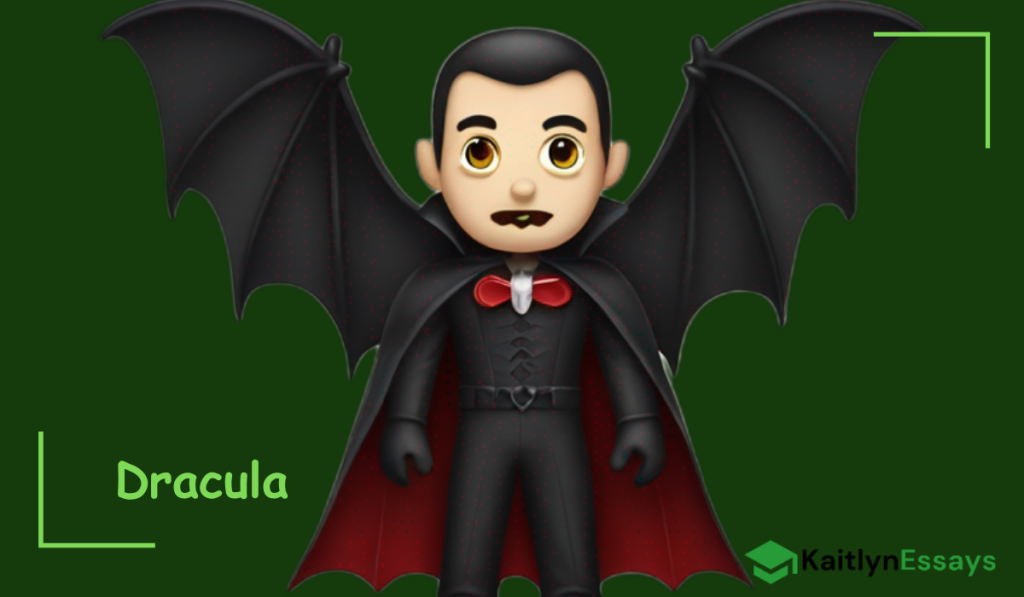
Since its publication in 1897, Dracula by Bram Stoker has remained a powerful influence in both literature and pop culture. The character of Count Dracula, with his sinister charm and vampiric allure, has captivated audiences for over a century. Stoker’s novel established many of the key elements of the vampire myth that continue to shape the genre today. From early film adaptations to contemporary TV shows, Dracula’s image has evolved, reflecting changing societal fears and desires.
Modern interpretations of the character explore themes of immortality, power, and forbidden desire, ensuring his place as an enduring symbol in horror fiction. This article will explore the wide-reaching impact of Dracula and how the character has been reimagined over the years, maintaining relevance across various forms of media while continuing to haunt the imaginations of new generations.
Dracula in Music
The intersection of iconic literary characters and modern music trends is a fascinating study, and one such notable instance is the influence of Dracula on hip-hop culture, specifically through the rise of the “Dracula Flow” phenomenon. Rooted in the dark, gothic allure of Dracula—the notorious vampire created by Bram Stoker—the “Dracula Flow” is a distinctive artistic movement in music, particularly within the rap and hip-hop genres.
Explanation of the “Dracula Flow” Concept
The term “Dracula Flow” encapsulates a style of rapping that mirrors certain traits associated with the Dracula figure. The concept is a blend of musical delivery, persona, and thematic elements derived from the classic vampire archetype. Rappers employing the “Dracula Flow” often adopt a menacing, assertive tone, infused with eerie, nightmarish imagery, much like the foreboding presence of the infamous vampire. The flow in this context refers to the rhythm, cadence, and vocal patterns a rapper uses, and in “Dracula Flow,” there’s a deliberate mimicry of Dracula’s cold, detached, and mysterious persona.
Aesthetically, this flow embodies a dark, moody, and often slow-tempo rhythm that contrasts sharply with more upbeat, energetic rap styles. The lyrics tend to explore themes of power, domination, and survival, akin to how Dracula thrives by preying on the weak. Musically, the “Dracula Flow” relies on haunting beats, minor key melodies, and a sense of impending doom—all crafted to echo the gothic allure of the vampire legend.
The cultural significance of Dracula is not new to music, but the “Dracula Flow” takes it a step further by personifying the vampire within the lyrical and vocal delivery of contemporary rappers. As artists borrow from the immortal, dangerous, and mysterious aspects of Dracula, they create a new subgenre that combines horror with hip-hop swagger.
“Dracula Flow 4” – Analysis and Significance
“Dracula Flow 4” represents a crucial turning point in the development of the “Dracula Flow” phenomenon. Often considered one of the most well-executed renditions of the style, “Dracula Flow 4” shows the full potential of this unique rap approach.
The song opens with a slow, haunting beat that immediately establishes a dark atmosphere. The production of “Dracula Flow 4” is minimalist, relying on heavy bass and eerie, isolated piano notes, which enhance the chilling ambiance. The rapper’s delivery is calculated and deliberate, with each word pronounced clearly, evoking a sense of control and menace, similar to how Dracula would speak with measured authority.
Lyrically, “Dracula Flow 4” is filled with metaphors that align with vampiric imagery. The rapper positions himself as a predator in the urban jungle, hunting for power and respect rather than blood. The “bite” in the song refers to the rapper’s dominance over his competition, while other lyrics draw comparisons to Dracula’s immortality—suggesting that the rapper’s influence and power will never fade.
A key aspect of the song’s significance lies in its impact on hip-hop listeners. “Dracula Flow 4” created a wave of appreciation for the stylistic choice of mixing dark, gothic themes with aggressive rap, making it a standout example of how genre-blending can work effectively. Many artists who followed in the “Dracula Flow” tradition cite “Dracula Flow 4” as a major influence, further cementing its place in the evolution of this musical trend.
“Dracula Flow 5” – Evolution of the Trend
While “Dracula Flow 4” showcased the potential of the style, “Dracula Flow 5” represents its maturation and expansion. This track sees an evolution in both lyrical content and musical production, pushing the boundaries of what the “Dracula Flow” can offer.
In “Dracula Flow 5,” the production becomes more elaborate, with layers of ominous sound effects, including distant howls, eerie synths, and ghostly vocals in the background. The beat is still heavy and dark, but there’s a more complex interplay between the bassline and other melodic elements, giving the song a more polished and dynamic sound.
The rapper’s delivery has also evolved. While the slow, calculated flow is still present, there are moments of rapid-fire delivery, adding a new intensity to the track. This shift mirrors the unpredictability of Dracula—calm and composed in one moment, but capable of unleashing fury the next.
Lyrically, “Dracula Flow 5” deepens the metaphorical connections to vampirism. The themes of power and domination are still present, but there’s a stronger focus on immortality and legacy. The rapper speaks of his influence not just in the present moment, but in terms of the lasting impact he will have on future generations, much like how Dracula’s myth continues to haunt literature and film.
“Dracula Flow 5” also introduces more personal elements, with the rapper reflecting on the sacrifices he’s made to reach his position of power. This introspective angle adds a new layer to the “Dracula Flow,” suggesting that beneath the predatory exterior, there’s a cost to living like a vampire—isolated, feared, and always hungry for more.
In this way, “Dracula Flow 5” both continues and expands the tradition of its predecessors, demonstrating how the style can evolve while still maintaining its core identity.
Impact on Hip-Hop and Broader Music Culture
The “Dracula Flow” phenomenon has had a notable impact on hip-hop culture, influencing both the sonic landscape and the thematic content of the genre. Its dark, gothic overtones have resonated with a wide audience, particularly in an era where music often reflects the socio-political climate of uncertainty, conflict, and survival. The grim themes of the “Dracula Flow” mirror the struggles that many young artists and listeners face, giving voice to feelings of alienation, ambition, and the desire for dominance in a cutthroat world.
In hip-hop, where authenticity and persona play key roles, the “Dracula Flow” allows rappers to craft a larger-than-life image—one that is both feared and admired. This persona of the untouchable, immortal predator fits well within the competitive nature of rap, where artists constantly battle for supremacy in the music industry. The Dracula metaphor serves as a tool for these artists to assert their dominance, longevity, and refusal to be defeated.
Beyond hip-hop, the “Dracula Flow” has influenced other genres as well. Elements of the style can be seen in dark pop, trap music, and even some electronic subgenres. The use of minor keys, haunting beats, and gothic imagery has become more common, as artists across the musical spectrum seek to tap into the allure of the dark and mysterious. This broader impact speaks to the cultural power of the Dracula figure, which continues to captivate audiences across different forms of media.
Moreover, the “Dracula Flow” has contributed to the ongoing trend of genre-blending in contemporary music. By merging horror themes with hip-hop rhythms, the style challenges traditional boundaries and encourages experimentation. This has opened the door for other artists to explore similarly unconventional combinations, pushing music into new, innovative directions.
Notable Lyrics and Themes in “Dracula Flow” Songs
The lyrics in “Dracula Flow” songs are a key element of the style, often filled with vampiric imagery and metaphors that reinforce the dark, gothic tone. Below are some of the recurring themes and notable lyrics that have become synonymous with the “Dracula Flow” phenomenon:
- Predatory Power: One of the central themes in “Dracula Flow” songs is the idea of the rapper as a predator, hunting down competitors and asserting dominance over the rap game. Lyrics like “I feast on the weak, leave ’em drained in the night” draw a direct parallel to Dracula’s method of feeding on his victims. This metaphor is used to depict the rapper’s ability to outsmart and overpower anyone who stands in his way.
- Immortality and Legacy: Another recurring theme is the notion of immortality—both in terms of the artist’s influence and their lasting impact on the culture. Lines like “My name will echo long after I’m gone” or “I’m eternal, you can’t kill what’s already dead” reflect the vampire’s timeless nature, suggesting that the rapper’s legacy will endure even after their career ends.
- Isolation and Loneliness: While the Dracula figure is often portrayed as powerful and invincible, there’s also an underlying theme of isolation in “Dracula Flow” songs. The vampire, while feared and respected, is ultimately alone, cut off from human connection. This theme is reflected in lyrics like “Surrounded by shadows, but I walk alone” and “No love for the undead, only fear in their eyes.” These lines hint at the emotional toll of living as a predator in a world where trust and friendship are rare.
- Violence and Aggression: Violence is a common motif in “Dracula Flow” lyrics, with references to biting, blood, and darkness used to symbolize the rapper’s aggressive pursuit of success. Phrases like “Sink my teeth into the beat, drain it dry” and “I leave ’em cold, lifeless, buried in the dirt” evoke the brutality of Dracula’s attacks, translated into the context of lyrical and musical domination.
- Supernatural Imagery: Finally, many “Dracula Flow” songs are rich in supernatural imagery, using references to the night, the moon, and other gothic symbols to create an eerie, otherworldly atmosphere. Lines like “I rise with the moon, bat wings spread wide” or “In the shadows, I thrive, unseen, but always there” reinforce the sense that the rapper is not just a person, but a creature of the night—invincible, untouchable, and feared.
Dracula in Visual Media
Dracula (2014) TV Series
The 2014 Dracula TV series was an ambitious attempt to bring the vampire’s story into a new era, merging traditional elements with fresh twists on the lore. Premiering on NBC, the series starred Jonathan Rhys Meyers as the titular Count Dracula and was set in Victorian England, where the vampire assumes the identity of an American entrepreneur. The show blends themes of power, revenge, and forbidden romance, making it a unique addition to the vast canon of Dracula adaptations.
Cast Overview and Performances
Jonathan Rhys Meyers’ portrayal of Count Dracula was a central point of discussion for both fans and critics. Best known for his roles in The Tudors and Match Point, Meyers brought a brooding intensity to the character, emphasizing Dracula’s internal conflict as both predator and anti-hero. His performance was noted for its depth, showcasing a Dracula who is as charming as he is deadly. Meyers’ Dracula is not merely a monster but a complex character driven by vengeance against those who wronged him centuries ago. His ability to switch between moments of calculated calm and raw emotional outbursts added complexity to the role, creating a more humanized version of the vampire.
The supporting cast also delivered strong performances. Jessica De Gouw played Mina Murray, a medical student who bears a striking resemblance to Dracula’s long-lost wife. Her relationship with Dracula added a layer of romance and tragedy to the show. Meanwhile, Thomas Kretschmann portrayed Abraham Van Helsing, the iconic vampire hunter, but in a twist, he becomes Dracula’s ally rather than his nemesis. Kretschmann’s portrayal brought a moral ambiguity to Van Helsing, making his motivations more complex than in other adaptations.
Katie McGrath, as Lucy Westenra, also brought an intriguing depth to her role. Her Lucy was bold, independent, and far more complex than previous depictions of the character. McGrath’s performance offered an interpretation of Lucy as a woman navigating societal expectations and her own desires, which ultimately played into her tragic fate.
Unique Aspects of This Adaptation
What sets the 2014 Dracula TV series apart from other adaptations is its emphasis on blending historical events with vampire mythology. The show placed Dracula in the context of the Industrial Revolution and rising corporate power, positioning him as a businessman intent on bringing down his enemies, a secret society called The Order of the Dragon. By reimagining Dracula as an entrepreneur, the series explored themes of technological advancement, energy control, and revenge in the capitalist world.
The show also diverged from the usual horror-based approach by focusing heavily on political and social intrigue. Dracula’s quest for vengeance was framed as a corporate war, where he sought to overthrow those who betrayed him centuries ago, using scientific innovation as his primary weapon. This adaptation gave Dracula a clear goal beyond simple bloodlust, imbuing the narrative with greater complexity.
The reworking of familiar characters also marked a shift in the adaptation. Van Helsing, traditionally a staunch enemy of Dracula, was reimagined as a partner-in-crime, aiding Dracula in his quest for revenge. This role reversal altered the dynamics between the two characters, creating an uneasy alliance that drove much of the plot’s tension. Mina’s role as a reincarnation of Dracula’s wife also emphasized the romantic tragedy at the core of Dracula’s immortality, echoing similar themes from Bram Stoker’s Dracula (1992).
Despite its fresh take, the series struggled with pacing issues, and some critics argued that the show’s mix of romance, politics, and horror didn’t always cohere smoothly. Nonetheless, the 2014 Dracula TV series remains a fascinating attempt to modernize the legend, and its striking visual aesthetic, particularly in the costume design and atmospheric settings, helped evoke the gothic horror that fans of Dracula have come to expect.
Dracula: Dead and Loving It (1995) – A Comedic Take
Released in 1995, Dracula: Dead and Loving It is a far cry from the dark, brooding adaptations of Dracula. Directed by Mel Brooks, the film is a spoof of the Dracula legend, combining slapstick humor, parody, and Brooks’ signature comedic style. The film starred Leslie Nielsen as Count Dracula, marking a departure from the actor’s usual serious roles into more comedic territory.
Mel Brooks’ Approach to the Vampire Legend
Mel Brooks is known for his parodies of classic genres, and with Dracula: Dead and Loving It, he took on the horror and gothic tropes associated with the vampire legend. Unlike previous Dracula films, which focus on the fearsome and seductive nature of the vampire, Brooks’ film sought to lampoon every aspect of the legend.
Leslie Nielsen’s portrayal of Dracula was central to this comedic approach. Known for his deadpan humor in The Naked Gun series, Nielsen’s Dracula was a bumbling, incompetent version of the iconic vampire. He fumbled through interactions with his victims, struggled with transforming into a bat, and had a general lack of self-awareness. By playing Dracula as a clueless figure, the film turned the usual terror associated with the vampire into an opportunity for laughs.
The film also poked fun at the supporting characters, particularly Dr. Seward (played by Harvey Korman) and Renfield (played by Peter MacNicol). Renfield’s over-the-top madness became a running joke, and MacNicol’s performance was praised for its outrageousness. Brooks himself played Van Helsing, turning the vampire hunter into an eccentric, overly serious character whose efforts to vanquish Dracula often went hilariously awry.
Reception and Cultural Impact
Despite its unique take on the Dracula story, Dracula: Dead and Loving It received mixed reviews from critics. Some praised the film for its clever parody and Mel Brooks’ characteristic humor, while others felt that the jokes fell flat and that the film lacked the sharpness of Brooks’ earlier works like Young Frankenstein. Nevertheless, the film found an audience among fans of slapstick comedy and those who appreciated its lighthearted take on the vampire myth.
In terms of cultural impact, Dracula: Dead and Loving It may not have achieved the lasting success of Brooks’ other films, but it remains a notable entry in the pantheon of Dracula adaptations. By bringing humor to a traditionally serious character, the film expanded the scope of how Dracula could be interpreted in pop culture. The movie also reinforced the idea that even the most iconic horror figures could be subject to parody, paving the way for future horror-comedies.
Dracula (1982)
The 1982 Dracula film, produced by the BBC, is considered a more faithful adaptation of Bram Stoker’s original novel compared to other versions. Directed by John Badham and starring Frank Finlay as Van Helsing and Louis Jourdan as Count Dracula, the film was part of the BBC’s Classic Serial series. This adaptation sought to capture the gothic horror of Stoker’s novel while emphasizing Dracula’s role as a sophisticated predator.
Overview of the Film
In this adaptation, Louis Jourdan’s Dracula was portrayed as a charming, aristocratic figure, in contrast to the monstrous depictions of earlier films. Jourdan’s suave, elegant take on Dracula brought a sense of refinement to the character, which made his predatory nature even more unsettling. He could easily blend into high society, seducing his victims with charm before revealing his true vampiric intentions.
The film stays relatively true to the novel’s plot, following Jonathan Harker’s journey to Dracula’s castle, Dracula’s subsequent arrival in England, and the efforts of Van Helsing and his allies to stop the vampire’s reign of terror. One of the strengths of the 1982 Dracula was its emphasis on atmosphere and tension, with director John Badham using shadow and light to create a sense of dread throughout the film.
Frank Finlay’s Van Helsing also stood out in this adaptation. His portrayal was authoritative and intellectual, capturing the character’s determination to destroy Dracula while also highlighting the emotional toll of the battle. The film’s pacing allowed for a more complex exploration of the conflict between Dracula and Van Helsing, emphasizing their roles as hunter and hunted.
Where to Watch the Full Movie for Free
For fans of classic horror, the 1982 Dracula offers a traditional, gothic take on the vampire legend. While it may not be as widely available as some other Dracula adaptations, there are platforms where viewers can watch the film for free. Public domain movie websites, classic film archives, and certain streaming platforms often carry older films, including BBC productions. Sites such as Archive.org or specific YouTube channels dedicated to classic cinema may host the 1982 Dracula in their free-to-view collections, as the film is occasionally included in public domain offerings depending on regional restrictions.
Dracula (1982)
- Bram Stoker’s Dracula [ 4K – HDR ] – Dracula Bites Lucy The First Time – Rain Scene (1992) by 4K Archives
- Killing Count Dracula (Final Scene) | Dracula (1979) | Fear by Fear: The Home Of Horror
- Bram Stoker’s Dracula 1982 Re-Released Today by Movies Daily
- Full Movie
Dracula: Dead and Loving It (1995) – A Comedic Take
- Dracula: Dead And Loving It (1995) – Official Trailer by ScreamFactoryTV
- Dracula: Dead and Loving it – Fushta!! [HD] by Stardustsix
- Dracula: Dead And Loving It: Renfield. by Nizzinny
- Full Movie
Dracula (2014) TV
- Dracula Untold – Official Trailer (HD) by Universal Pictures
- The First Dance | Dracula (TV Series) by Fear: The Home Of Horror
- Dracula Meets Baba Yaga (Deleted Scene) | Dracula Untold (2014) | Fear by Fear: The Home Of Horror
- Netflix
Costume and Cosplay
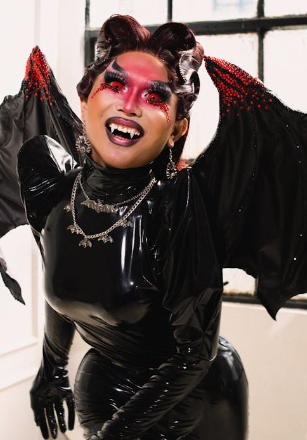
Iconic Elements of a Classic Dracula Costume
Dracula’s appearance has varied throughout the years, influenced by different interpretations, cultural trends, and actors’ personal styles. However, several elements of the Dracula costume remain consistent across these adaptations, capturing the essence of the aristocratic vampire. The classic Dracula look is rooted in both Gothic and Victorian aesthetics, combining elegance, darkness, and an eerie sense of sophistication. Below are the most iconic elements that define a traditional Dracula costume:
1. The Cape
Perhaps the most iconic element of the Dracula costume is the long, flowing cape. In most adaptations, Dracula’s cape is black, often lined with red satin to add a dramatic flair. The cape symbolizes Dracula’s dark, supernatural abilities, allowing him to vanish into the night or transform into a bat at will. It also enhances his aristocratic aura, reinforcing his status as a powerful, noble figure.
Bela Lugosi, who portrayed Dracula in the 1931 film adaptation, made the cape a permanent part of the character’s image. His regal appearance, enhanced by the black cape draped over his shoulders, has influenced countless Dracula costumes since. The cape typically fastens at the neck with a medallion or brooch, adding an extra layer of elegance to the outfit.
The length and material of the cape can vary depending on the interpretation. While traditional depictions favor a floor-length design that billows dramatically when Dracula moves, modern adaptations sometimes feature shorter or more practical versions. Regardless of the design, the cape remains a key element in evoking Dracula’s supernatural presence.
2. The Medallion
Another central piece of Dracula’s look is the medallion or pendant worn around his neck. Often depicted as a large, ornate gold medallion, this accessory represents Dracula’s aristocratic heritage and power. It adds to the air of authority and mystique that surrounds the vampire, reinforcing his otherworldly charm.
The medallion’s design can vary from simple and minimalist to elaborate, featuring intricate details such as a cross, gemstones, or vampiric symbols. It often serves as a symbol of Dracula’s long lineage or his connection to dark magic, depending on the interpretation.
In costume form, the medallion typically hangs on a ribbon or chain, positioned over Dracula’s waistcoat or shirt. This accessory adds a touch of nobility to the costume, emphasizing the vampire’s ancient and noble origins.
3. The Tuxedo or Suit
Dracula is often portrayed as an aristocrat or a gentleman, and his wardrobe reflects this status. A key part of the classic Dracula costume is the tuxedo or formal suit. Traditionally, Dracula wears a black suit, often paired with a white or black waistcoat and a starched white dress shirt. The combination of dark and light colors not only adds a sense of formality but also highlights the contrast between Dracula’s human and monstrous sides.
Bela Lugosi’s Dracula is remembered for his formal attire, which featured a tailcoat and vest—giving him the appearance of a Victorian-era nobleman. This version of Dracula has influenced many costume designs, where the focus is on creating a polished, upper-class look that exudes authority and sophistication.
While black is the traditional color for Dracula’s suit, some adaptations incorporate shades of dark gray, red, or even deep purple to evoke a more modern or stylized take on the character. Regardless of the color palette, the tuxedo or suit remains an essential aspect of creating a dignified, sophisticated Dracula costume.
4. Slicked-Back Hair
Dracula’s hairstyle plays an important role in his overall image. Most classic depictions of Dracula feature slicked-back, jet-black hair that is neatly combed, adding to the character’s elegant, old-world appearance. The slicked-back style not only conveys formality but also gives Dracula a sleek, predatory look, reminiscent of a creature that is always in control.
Bela Lugosi’s portrayal cemented the image of Dracula’s neat, glossy hair, which became a hallmark of the vampire in film and pop culture. In contrast, more modern interpretations, such as Gary Oldman’s Dracula in the 1992 film, featured more elaborate hairstyles to suit specific moments or stages of the character’s evolution.
If you’re aiming for a traditional Dracula look, styling your hair into a slicked-back style using gel or pomade is key. For those with lighter hair, a temporary black dye or wig can help complete the transformation into Dracula’s signature look.
5. Pale Makeup
Dracula’s undead nature is typically represented by his pale, almost ghostly skin. Achieving this look involves applying makeup to give the face an unnaturally pale appearance, emphasizing the vampire’s eternal existence in the shadows, far from the warmth of the sun. The paler the skin, the more Dracula appears otherworldly, as though he has been drained of life.
To create this effect, white or light foundation is applied evenly across the face and neck, with powder to set the makeup and prevent it from smudging. Some Dracula costumes add additional details, such as hollowed cheeks, dark circles around the eyes, or a slight bluish tinge to suggest Dracula’s undead state.
Additionally, many versions of Dracula include red or black accents around the eyes to evoke an eerie, vampiric gaze. This element of makeup serves to make Dracula appear more predatory, highlighting his role as a creature of the night.
6. Fangs
No Dracula costume is complete without a set of fangs. These sharp, elongated canine teeth are the ultimate symbol of Dracula’s vampiric nature, representing his ability to bite and feed on the blood of the living. The fangs should be realistic but not overly exaggerated, striking the right balance between subtle menace and theatricality.
For a classic Dracula look, it’s best to opt for fangs that are slightly longer than normal canines and fit comfortably over your natural teeth. Many costume shops sell high-quality vampire fangs that can be fitted to your teeth for a more natural appearance. Alternatively, custom-molded fangs made from dental resin can provide a more authentic and comfortable option for extended wear.
7. Red Eyes
Although not present in every adaptation, red eyes are often used to signify Dracula’s vampiric transformation or moments of intense hunger. Red-colored contact lenses can add an extra layer of eeriness to your Dracula costume, making the character appear even more predatory.
For cosplayers who want to take their costume to the next level, investing in a pair of red or black sclera contact lenses can enhance the overall vampire aesthetic. Be sure to consult with an optometrist before wearing contact lenses, especially if they are purely for cosmetic purposes, to ensure safety and comfort.
DIY Tips for Creating a Memorable Dracula Look
Creating your own Dracula costume can be a rewarding experience, whether you’re putting together a cosplay outfit or preparing for a Halloween party. With the right materials and a bit of creativity, you can craft a memorable and personalized Dracula look that captures the essence of the vampire lord while incorporating your own unique style. Below are some practical DIY tips to help you get started:
1. Crafting the Cape
While you can purchase a pre-made Dracula cape from most costume stores, making your own allows you to customize the length, material, and details. Here’s how to craft a basic Dracula cape:
- Materials: Black fabric (preferably satin or velvet for a more luxurious look), red satin lining, sewing machine or fabric glue, black ribbon or fasteners, optional gold brooch or medallion for decoration.
- Steps:
- Measure the fabric based on your desired cape length, ensuring it drapes dramatically over your shoulders.
- Sew the black and red fabrics together along the edges, leaving the neck area open.
- Attach a black ribbon or fasteners to the top corners so you can tie the cape around your neck.
- For added flair, sew on a gold brooch or Dracula medallion at the neck, creating an elegant focal point.
2. Assembling the Tuxedo or Suit
For a budget-friendly Dracula suit, consider visiting thrift stores or second-hand shops to find black formalwear. A black suit or tuxedo jacket paired with black pants will work perfectly for Dracula’s classic look. If you cannot find a waistcoat, a black vest or cummerbund will also suffice.
To complete the look, add a crisp white dress shirt and a black bow tie. For a modern twist, experiment with deep red or purple accents, such as a handkerchief or tie, to evoke a regal Dracula aesthetic.
3. DIY Medallion
Crafting a Dracula medallion is easier than it looks, and you can use household materials to create an impressive prop:
- Materials: Cardboard, gold or metallic paint, red ribbon, gemstones or faux jewels, hot glue gun.
- Steps:
- Cut out a circular or oval shape from the cardboard.
- Paint the cardboard gold or silver, allowing it to dry fully.
- Use hot glue to attach gemstones or other decorative elements.
- Attach a long ribbon to the medallion, ensuring it fits comfortably around your neck.
4. Creating the Makeup Look
Dracula’s makeup is essential to conveying his undead appearance. Here’s a step-by-step guide to achieving the perfect Dracula makeup:
- Materials: White foundation, black eyeshadow, red eyeshadow, black eyeliner, pale pink or nude lipstick.
- Steps:
- Apply the white foundation evenly to your face and neck, blending well to avoid streaks.
- Use black eyeshadow to create sunken eyes, blending the color around your eyelids and under your eyes.
- Add a touch of red eyeshadow to the inner corners of your eyes for a subtle, bloodthirsty look.
- Line your eyes with black eyeliner to enhance your predatory gaze.
- Apply pale pink or nude lipstick to keep the focus on your eerie complexion.
5. Styling Your Hair
If you don’t have naturally slicked-back hair, consider using a temporary styling gel or pomade to achieve Dracula’s signature look. For those with lighter hair, a temporary black hair dye spray can be used to match Dracula’s traditional jet-black hair. Alternatively, a wig can offer an easy, hassle-free way to replicate the hairstyle.
6. Adding the Fangs
Many costume stores sell pre-made vampire fangs, but for a more personalized fit, consider custom-molded fangs made from dental-safe materials. Simply follow the instructions to mold the fangs to your teeth for a comfortable and realistic fit.
7. Red Contact Lenses (Optional)
Red or black contact lenses are optional but can add an extra level of intensity to your Dracula costume. Be sure to consult with an eye specialist and purchase from a reputable seller to ensure safety and comfort when wearing cosmetic lenses.
Dracula in Gaming
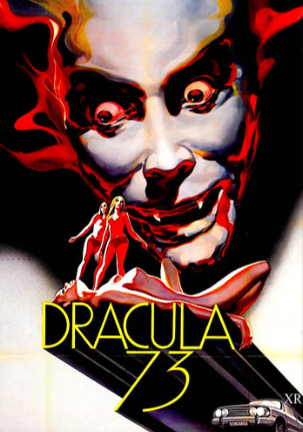
“V Rising” – Strategies for Creating the Best Dracula Set
V Rising, developed by Stunlock Studios, allows players to inhabit the role of a vampire as they navigate an open-world environment filled with enemies, resources, and other challenges. As a vampire in this game, players can create their own base, craft equipment, and grow stronger through combat and exploration. While the game doesn’t explicitly feature Dracula as a character, players can draw inspiration from Dracula’s mythos to create a set that reflects his iconic look, power, and style.
Here are some strategies for building the ultimate Dracula-inspired set in V Rising:
Focus on Elegance and Power in Appearance
Dracula is often portrayed as a sophisticated, aristocratic figure, so a key part of creating a Dracula-inspired set in V Rising is to focus on elegance in the character’s appearance. In the game, players can customize their vampire’s armor and clothing to reflect a noble, powerful image. While there are various armor sets and cosmetics available, players looking to channel Dracula’s style should prioritize gear that combines elegance with intimidation.
- Royal Armor Set: The Royal Armor Set offers a regal, aristocratic appearance, making it an excellent choice for a Dracula-inspired look. This set features rich colors and ornate designs that convey wealth and power, perfect for evoking the image of a vampire lord.
- Vermilion Cloak: A striking cloak is an essential part of any Dracula costume. The Vermilion Cloak in V Rising provides a dramatic, blood-red accent, evoking the imagery of Dracula’s iconic cape. The cloak’s flowing design adds to the character’s aura of mystery and power.
- Elegant Helm: Opt for headgear that conveys nobility. The Elegant Helm is both practical in terms of defense and visually appealing, enhancing the vampire’s aristocratic image.
Customizing your vampire’s appearance with these items will give you a Dracula-inspired aesthetic that blends grace with the menace expected from a centuries-old vampire lord.
Prioritize Abilities That Reflect Dracula’s Supernatural Powers
Dracula is known for his supernatural abilities, which include transforming into a bat, commanding animals, and hypnotizing victims. In V Rising, players can choose from a variety of powers to create a character build that mirrors Dracula’s vast array of abilities. By focusing on abilities that highlight speed, transformation, and domination, players can create a formidable Dracula-inspired character.
- Bat Form: One of Dracula’s most famous abilities is his power to transform into a bat. In V Rising, players can unlock the Bat Form ability, which allows them to fly across the map and evade enemies. This ability is not only a practical means of travel but also an essential feature for any Dracula build, reflecting the character’s mastery over the night.
- Dominating Presence: Dracula’s ability to control and mesmerize others is a key part of his character. In V Rising, players can unlock abilities like Dominating Presence, which enables them to charm or control weaker enemies. This power reinforces the theme of Dracula’s hypnotic influence over humans and lesser creatures.
- Shadowbolt and Veil of Chaos: Dracula is often depicted as a master of shadow and darkness, capable of attacking his enemies from the shadows. The Shadowbolt and Veil of Chaos abilities in V Rising allow players to embody this aspect of Dracula’s power. Shadowbolt is a ranged spell that deals significant damage, while Veil of Chaos provides mobility and a stealth element, allowing players to quickly reposition and strike from unexpected angles.
By carefully selecting abilities that reflect Dracula’s mythological powers, players can build a character that not only looks like Dracula but also plays with the cunning and supernatural prowess that defines the iconic vampire.
Create a Gothic Castle Base
In V Rising, players can construct their own vampire castle, which serves as their base of operations and sanctuary. Dracula is often portrayed as living in a grand, gothic castle, towering over a misty landscape. To create a Dracula-inspired base, players should focus on gothic architecture and dark, atmospheric design choices.
- Gothic Architecture: Build a castle with tall, imposing towers and intricate stonework to evoke the classic image of Dracula’s fortress. Use materials like dark stone, iron, and marble to create a gloomy, yet grand structure that reflects Dracula’s power and wealth.
- Throne Room: A proper Dracula-inspired castle should include a throne room where the vampire lord can rule. Craft a throne from dark materials, surrounded by torches or candlelit chandeliers to give the room an eerie glow. This will serve as the centerpiece of your castle, reflecting Dracula’s status as a ruler of the night.
- Graveyard and Crypt: Adding a graveyard or crypt to your castle grounds enhances the gothic atmosphere. These features not only fit the Dracula theme but also serve as practical additions to your base in V Rising, providing space for storage or hidden rooms.
- Dark Gardens: Landscaping around your castle with dark, twisted plants and eerie features like fog or stone statues can help create the gloomy, haunted vibe that complements Dracula’s legend.
By focusing on gothic design elements and atmospheric details, you can build a castle that resembles Dracula’s Transylvanian fortress, making your V Rising experience all the more immersive.
Strategic Combat and Resource Management
While V Rising is an open-world survival game, combat plays a significant role in achieving success. To create a Dracula-like persona in battle, players should focus on strategic combat that reflects Dracula’s cunning and mastery over his enemies.
- Strike from the Shadows: Dracula is known for his stealth and ability to take enemies by surprise. In V Rising, players can adopt a similar strategy by using abilities like Veil of Chaos to teleport and disappear from sight, allowing them to evade detection and launch surprise attacks.
- Control the Battlefield: Dracula often manipulates the environment and the people around him. In V Rising, you can do the same by using crowd control abilities like Dominating Presence to control enemies and summon allies like wolves or skeletons to fight alongside you. This allows you to command the battlefield and overwhelm your enemies.
- Efficient Resource Management: Like Dracula, a master strategist who gathers power over centuries, players in V Rising must efficiently manage their resources to grow stronger. Focus on gathering materials for crafting powerful weapons and armor, and fortifying your castle to withstand attacks from rival players or NPC enemies.
Incorporating these strategic elements into your playstyle will help you create a Dracula-inspired character who is as fearsome and cunning in battle as the legendary vampire.
Dracula’s Influence on Vampire-Themed Video Games
Dracula’s influence extends far beyond V Rising, shaping the portrayal of vampires in video games for decades. As the quintessential vampire, Dracula’s image and abilities have become a template for how vampires are depicted across various gaming genres.
Early Video Game Adaptations of Dracula
Dracula made his video game debut in the early 1980s, with several titles drawing directly from the character’s literary and cinematic origins. One of the earliest examples is Castlevania (1986), a classic action-adventure game developed by Konami. In Castlevania, players assume the role of a vampire hunter tasked with defeating Count Dracula and his monstrous minions. The game’s gothic setting, combined with Dracula’s presence as the primary antagonist, cemented the vampire lord’s role in video game culture.
- Castlevania (1986): In Castlevania, Dracula is portrayed as a powerful, malevolent figure who resides in a massive castle filled with traps and creatures. His final boss fight is one of the most iconic moments in the series, setting the stage for future vampire-themed games that emphasize Dracula’s immense power and influence over darkness.
Dracula’s character in early video games often drew directly from Bram Stoker’s novel and the 1931 film, with his cape, fangs, and gothic castle serving as key visual and thematic elements. These early games established a template for how Dracula and vampires would be depicted in gaming, combining horror, action, and gothic aesthetics.
Evolution of Dracula’s Portrayal in Video Games
As video game technology evolved, so did Dracula’s portrayal in the medium. The Castlevania series continued to expand throughout the 1990s and early 2000s, with each new installment offering deeper lore and more complex portrayals of Dracula. In Castlevania: Symphony of the Night (1997), for example, players take control of Alucard, Dracula’s son, as he explores his father’s castle to stop a dark resurrection. This shift in focus to Dracula’s lineage added new dimensions to the character and his influence over vampire mythology in gaming.
- Castlevania: Symphony of the Night (1997): In this iconic title, Dracula’s presence looms large, even though players control his son, Alucard. The game examines the history of Dracula’s castle and his centuries-long battle with vampire hunters, offering a more complex look at the vampire lord’s legacy.
Beyond Castlevania, Dracula-inspired characters and themes appeared in other video game franchises. Legacy of Kain (1996) is another example of a vampire-themed game that draws from Dracula’s influence, particularly in its depiction of ancient vampire lords and their complex politics. The game’s protagonist, Kain, mirrors many aspects of Dracula’s character, including his ruthless pursuit of power and immortality.
Dracula in Modern Vampire Games
In more recent years, Dracula’s influence has continued to shape the portrayal of vampires in video games. Games like Vampyr (2018), The Sims 4: Vampires (2017), and V Rising all draw from the classic image of Dracula, even if the character himself does not appear directly. These games often emphasize the duality of vampires—both their elegance and their brutality—a concept rooted in Dracula’s portrayal as both a charming aristocrat and a fearsome predator.
- Vampyr (2018): In Vampyr, players control a doctor-turned-vampire in post-World War I London. The game explores the moral dilemmas faced by vampires, as they must balance their need for blood with their desire to retain some semblance of humanity. Dracula’s influence is evident in the game’s exploration of vampire ethics, power, and the tension between humanity and monstrosity.
- The Sims 4: Vampires (2017): While The Sims 4 is a life simulation game, its Vampires expansion pack offers a playful take on vampire lore. Players can create vampire characters, build gothic mansions, and engage in vampiric activities. The expansion pack draws on many elements of Dracula’s mythos, including the ability to turn into bats, drink blood, and live in opulent, castle-like homes.
Dracula’s Enduring Legacy in Gaming
Dracula’s influence on video games is a testament to the character’s enduring appeal as a symbol of power, immortality, and mystery. Whether as a direct antagonist, like in Castlevania, or as an inspiration for vampire-themed mechanics and aesthetics, Dracula continues to shape how vampires are portrayed in the gaming world. His legacy lives on in modern titles like V Rising, where players can draw from his image to create their own powerful vampire lords.
FAQs
Why is Dracula still popular today?
Dracula’s continued popularity is due to his complex character, blending charm, horror, and mystery. His influence is seen in a wide range of media—from literature to films, TV shows, music, and video games—making him one of the most enduring figures in popular culture.
What is the most famous Dracula quote?
One of Dracula’s most famous lines from Bram Stoker’s novel is: “I am Dracula, and I bid you welcome…” This quote has been featured in many adaptations, symbolizing Dracula’s eerie charm and menacing presence.
Is there a Dracula sequel?
While Bram Stoker did not write an official sequel, many authors have expanded on the Dracula mythology. One notable sequel is Dracula: The Un-Dead (2009) written by Dacre Stoker, Bram Stoker’s great-grandnephew, which continues the story of the original novel.
Why is Dracula afraid of sunlight?
In Bram Stoker’s novel, Dracula is weakened but not destroyed by sunlight. However, in later adaptations, particularly in films like Nosferatu (1922), sunlight became one of the ways to kill a vampire, cementing this idea in vampire lore.