

Child observation is the systematic and purposeful act of watching and listening to children to understand their development, interests, needs, and behaviors. It’s a crucial tool used by parents, educators, caregivers, and other professionals who work with children.
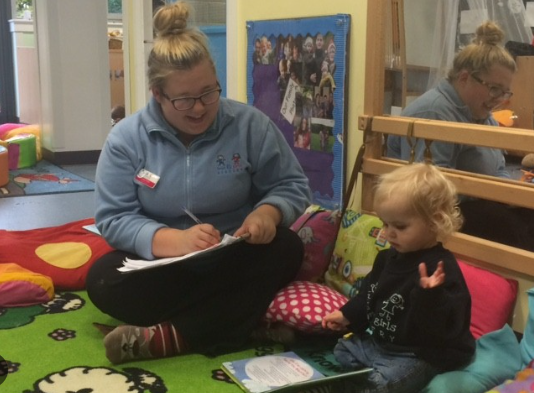
Key Aspects of Child Observation:
Purpose:
- Gaining insights into a child’s development: This could involve their physical, social, emotional, cognitive, and language skills.
- Identifying strengths and areas for development: Observation can help pinpoint areas where a child excels and areas where they might need extra support.
- Informing decisions about care and education: The information gathered through observation can be used to develop appropriate learning activities, adjust teaching methods, or create individualized plans for the child.
- Building relationships with children: By observing them closely, adults can gain a deeper understanding of their unique personalities and preferences, which can foster stronger bonds.
Methods:
- Formal observation: This involves following a specific set of guidelines and using structured tools like checklists or rating scales.
- Informal observation: This is a more spontaneous and flexible approach, where the observer simply watches and listens to the child in their natural environment.
- Direct observation: This involves focusing directly on the child’s behavior and interactions.
- Indirect observation: This involves gathering information about the child from other sources, such as parents, teachers, or caregivers.
Benefits:
- Provides valuable information about a child’s individual development.
- Helps identify potential challenges or delays early on.
- Informs effective interventions and support strategies.
- Strengthens relationships and communication between adults and children.
- Allows for individualized learning experiences.
Overall, child observation is a valuable tool for supporting children’s healthy development and well-being.
additional resources:
- National Association for Child Development: https://www.nacd.org/
- Zero to Three: https://www.zerotothree.org/
Sample
Subject: Sarah Johnson, Age 4 Date: 2024-02-15 Observer: [Your Name]
Setting: Sarah’s preschool classroom during free play period.
Observation:
I arrived at the classroom to find Sarah deeply engrossed in a corner by herself. She had constructed a small world using blocks, creating a towering castle with a winding path leading to a hidden treasure chest. She meticulously placed figurines around the scene, whispering excitedly to herself as she narrated their adventures.
As I approached, Sarah initially seemed hesitant but quickly warmed up, inviting me to explore her creation. She proudly explained the roles of each character, describing their personalities and relationships with vivid detail. Her imagination shone through as she spoke, weaving a fantastical story filled with courage, betrayal, and ultimately, triumph.
Beyond her imaginative play, I observed several other key aspects of Sarah’s development:
Physical Development: Sarah moved with confidence and agility, climbing structures and navigating the classroom with ease. She seemed aware of her body and coordinated in her movements.
Social Development: While initially hesitant, Sarah quickly engaged in social interaction. She shared her toys and collaborated with other children to build upon her initial castle creation. She communicated clearly and used both verbal and nonverbal cues effectively.
Cognitive Development: Sarah displayed strong problem-solving skills as she built her castle and navigated the challenges of balancing blocks and arranging characters. She also demonstrated curiosity and a thirst for knowledge, asking questions about the different characters and their motivations.
Emotional Development: Sarah expressed a range of emotions throughout the observation. She smiled brightly during moments of joy and creativity, but also showed frustration when trying to solve a particularly tricky building problem. She managed her emotions effectively, seeking help from me when needed.
Overall Impression:
Sarah is a curious, imaginative, and engaging child who enjoys exploring the world around her. She is confident in her abilities and readily interacts with others. Her physical, social, cognitive, and emotional development appear to be within the expected range for her age.
Further Exploration:
- Observe Sarah in different settings, such as during group activities or structured learning.
- Engage in more in-depth conversations with Sarah to understand her thoughts and feelings better.
- Collaborate with her teachers and parents to identify strengths and areas for potential support.
Child observation plays a crucial role in understanding their development, needs, and learning styles. By conducting observations diligently and writing accurate, objective reports, you can contribute to their well-being and support their growth. If you need help completing your assignment, we are here to help. Join thousands of satisfied students – request our academic writing services.