

Introduction
In the realm of healthcare, evidence-based practice is a critical approach that integrates the best available research evidence with clinical expertise and patient values. This case study aims to illustrate the application of evidence-based practice in nursing, focusing on the assessment, diagnosis, and diagnostic evaluation stages of patient care. By highlighting real-world examples and practical strategies, this study aims to provide insight into how nurses can effectively apply evidence-based principles to enhance patient outcomes and promote high-quality care delivery. Explore the integration of case study evidence based practice (EBP) in nursing through clinical case studies.
Patient Presentation
Our patient is a 65-year-old male who has come to the clinic with a persistent cough and shortness of breath. He has a known medical history of hypertension and type 2 diabetes. These chronic conditions require regular monitoring and management, making his current symptoms particularly concerning.
Comprehensive Assessment
The first step in the nursing process involves a comprehensive assessment. The nurse begins by asking the patient about the duration, frequency, and severity of his symptoms. The patient reports that his cough has been persistent for the past three weeks and is often accompanied by shortness of breath. He also mentions experiencing occasional chest tightness.
In addition to the presenting symptoms, the nurse also takes into account the patient’s medical history. The patient has been managing hypertension and type 2 diabetes, both of which could have implications on his current health status. His current medications, including antihypertensives and antidiabetic drugs, are recorded.
Formulating a Differential Diagnosis
With the information gathered from the patient’s symptoms and medical history, the nurse can now formulate a differential diagnosis. This involves considering all possible conditions that could explain the patient’s symptoms.
- Chronic Obstructive Pulmonary Disease (COPD): Given the patient’s age and the nature of his symptoms, COPD is a potential diagnosis. COPD is a chronic inflammatory lung disease that causes obstructed airflow from the lungs. It’s characterized by symptoms such as difficulty breathing, cough, mucus (sputum) production, and wheezing.
- Heart Failure: The patient’s shortness of breath and chest tightness could be indicative of heart failure. This is especially a consideration given the patient’s history of hypertension, which can put extra strain on the heart.
- Pneumonia: A persistent cough and shortness of breath could also suggest a respiratory infection like pneumonia. Pneumonia is an infection that inflames the air sacs in one or both lungs, which may fill with fluid. Pneumonia can range from mild to severe and can be caused by bacteria, viruses, or fungi.
Diagnostic Evaluation
To confirm the diagnosis, further diagnostic evaluation is necessary. The following tests are planned based on the differential diagnosis:
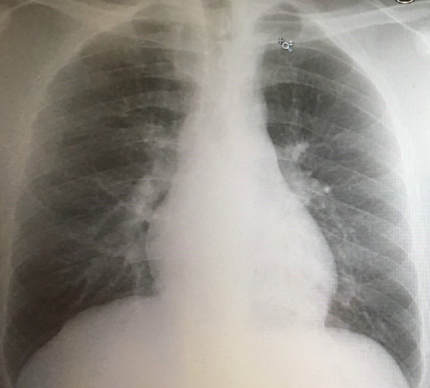
- Chest X-ray: This imaging test can help identify any abnormalities in the lungs that might suggest COPD or pneumonia. It can show if the lungs are overinflated or if there are areas of consolidation, which could indicate an infection.
- Echocardiogram: This test uses sound waves to produce images of the heart. It can evaluate the structure and function of the heart, providing useful information if heart failure is suspected.
- Pulmonary Function Test (PFT): This test measures how well the lungs work. It can help diagnose COPD by assessing how much air the lungs can hold, how quickly one can move air in and out of the lungs, and how well the lungs add oxygen to and remove carbon dioxide from the body.
Conclusion(Evidence-Based Practice)
This detailed case study demonstrates the application of evidence-based practice in nursing. The nurse used the patient’s symptoms and medical history to formulate a differential diagnosis and develop a plan for further diagnostic evaluation. The next steps would involve conducting the planned tests, interpreting the results, and formulating a treatment plan based on the final diagnosis, thereby ensuring comprehensive and patient-centered care delivery.
PICO Case Study: Cancer Patient with Nausea
At Kaitlynessays, we provide detailed PICO case studies to help students and professionals analyze clinical scenarios effectively. A PICO (Patient, Intervention, Comparison, Outcome) framework is essential in evidence-based practice for evaluating treatment options for cancer patients experiencing nausea. Our case studies examine various interventions, such as pharmacological and non-pharmacological approaches, comparing their effectiveness in managing symptoms. With our expert-written PICO case studies, you can develop a deeper understanding of clinical decision-making and improve your research skills in healthcare settings.
Clinical CASE Reports: A New Paradigm
Our clinical case reports provide in-depth analysis of unique medical cases, offering insights into complex conditions and treatment methodologies. We follow a structured approach in presenting case studies, including patient history, diagnosis, interventions, and outcomes. Whether you need a report for academic research or professional development, our writers ensure accuracy, clarity, and adherence to medical writing standards. Trust Kaitlynessays to deliver well-researched clinical case reports that align with the latest advancements in medicine and healthcare.
Occupational Therapy Case Study
An occupational therapy case study requires a detailed understanding of patient needs, therapy interventions, and rehabilitation outcomes. Our experts at Kaitlynessays craft comprehensive case studies that highlight patient-centered approaches to improving daily functioning. Whether it’s neurological disorders, physical disabilities, or mental health challenges, our reports include evidence-based therapy strategies supported by real-world data. Our professionally written occupational therapy case studies help students and practitioners develop a strong foundation in clinical reasoning and intervention planning.
Public Health Case Study
Public health case studies at Kaitlynessays focus on epidemiology, disease prevention, health policies, and community-based interventions. Our writers analyze real-world public health challenges, providing detailed reports on infectious disease outbreaks, vaccination programs, environmental health risks, and health promotion strategies. These case studies are valuable for students, researchers, and policymakers who aim to address public health issues effectively. With our expert writing services, you will receive well-structured and data-driven public health case studies that contribute to academic and professional discussions.
Physical Therapy Case Study
A physical therapy case study examines patient rehabilitation, treatment plans, and therapy outcomes for individuals recovering from injuries, surgeries, or chronic conditions. At Kaitlynessays, we provide detailed case reports on musculoskeletal, neurological, and cardiopulmonary rehabilitation, incorporating evidence-based therapeutic interventions. Our expert writers ensure that each case study is structured to meet academic and clinical standards, providing students and healthcare professionals with a valuable resource for understanding patient care in physical therapy.
EBM Step by Step
Evidence-Based Medicine (EBM) is a critical component of healthcare practice. At Kaitlynessays, we offer step-by-step EBM case studies that help students and professionals apply scientific research, clinical expertise, and patient values in decision-making. Our case studies cover all stages of EBM, including formulating clinical questions, searching for relevant evidence, critically appraising studies, and applying findings in practice. With our expert-written EBM reports, you will gain a strong understanding of how to integrate research into medical and healthcare practice efficiently.
At Kaitlynessays, we are committed to providing high-quality, evidence-based case studies tailored to your academic and professional needs. Whether you need assistance with PICO frameworks, clinical case reports, or public health studies, our team of experienced writers is here to deliver well-researched and structured case studies that meet the highest standards of academic excellence.
Nursing Case Study
In a comprehensive case study, the case study authors analyze the type of evidence available on nursing practices. Utilizing resources from a state university, they explore how integration of evidence-based methods can enhance clinically relevant outcomes. A gov website belongs to this research, ensuring rigorous standards are met.
Insights into patient perception of care highlight what would be considered best practices. In particular, Richardson emphasizes that findings from this study may be considered foundational for future research. The evidence presented aligns with the principles of effective nursing, paving the way for improved healthcare strategies.
The Patient, Intervention, Comparison, Outcome Plays a Critical Role
The Patient, Intervention, Comparison, and Outcome (PICO) plays a critical role in evidence-based practice (ebp). Clinical trials and case studies by authors like Rosenberg and Haynes et al. provide a framework for decision making within the clinical setting, integrating therapeutic approaches and qualitative assessments.
Utilizing resources from gov websites and pmc, such as Oxford, allows for a meta-analysis of similar cases involving a 45-year-old patient with gastrointestinal (GI) issues, which could be considered unsuccessful if the implementation lacks rigor. This phenomenon underscores the importance of standardizing practices across multiple disciplines in interprofessional contexts.
Permalink
In evidence-based medicine, the systematic approach to forming clinical practice guidelines is crucial. A systematic review of randomized controlled trials and observational studies allows clinicians to define the best practices in primary care. Authors like Sackett and Greenhalgh emphasize the importance of a framework that examines the level of evidence in clinical case studies and research studies.
In physiotherapy, a systematic investigation can help implement evidence-based clinical practices for managing conditions like ankle injuries. Actual clinical outcomes are evaluated through outcome measures, ensuring internal and external validity. The evidence hierarchy guides decision-making, where case studies are often utilized to highlight factors related to deterioration or successful recovery.
Engaging with secure websites and official government organizations ensures clinicians can share sensitive information while addressing the dilemma of implementing health services that are both effective and richer in evidence. By combining clinical experience with in-depth methodology, practitioners can utilize comparative studies to support their research question, ultimately enhancing patient care.
FAQs about Case study evidence based practice (EBP) in nursing
What is evidence-based practice in nursing?
Evidence-based practice in nursing is a systematic approach to decision-making that integrates the best available research evidence, clinical expertise, and patient values. It aims to improve patient outcomes by utilizing evidence-based guidelines and clinical evidence derived from case studies, clinical trials, and systematic reviews. By applying this approach, nurses can ensure that their interventions are grounded in research evidence and tailored to the unique needs of their patients.
How are case studies used in evidence-based practice?
Case studies are often utilized in evidence-based practice as a method to illustrate the application of research findings in real-world scenarios. They provide detailed insights into patient care situations, allowing nurses to analyze outcomes and interventions. Through the examination of individual cases, clinicians can identify patterns and develop strategies that contribute to the overall body of evidence-based knowledge, thus enhancing their clinical practice.
What is the PICO format in Case study evidence based practice?
PICO is an acronym that stands for Patient/Problem, Intervention, Comparison, and Outcome. It serves as a framework to formulate research questions and guide the search for evidence-based literature. By constructing a clear PICO question, nurses can identify relevant research studies and clinical practice guidelines that address specific clinical problems, making it easier to implement effective therapies and interventions.
What types of evidence are considered reliable in evidence-based medicine?
The hierarchy of evidence categorizes different types of research evidence according to their reliability and relevance. Randomized controlled trials (RCTs) are often considered the gold standard, providing high-level evidence due to their rigorous methodology. Other reliable types include systematic reviews, observational studies, and clinical case studies. Nurses must critically appraise these sources to determine their validity.