

A care plan in nursing is a formal document that outlines the individual needs, goals, and interventions for a specific patient. It serves as a roadmap for providing patient-centered care and ensures continuity and consistency in the patient’s treatment.
What are the 5 main components of a care plan?
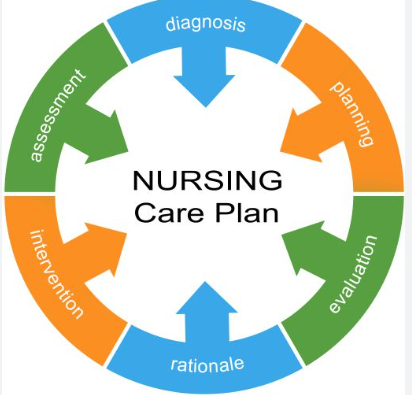
Nursing care plans guide patient care through: assessment, diagnosis, goals, interventions, and evaluation.
- Patient assessment: This section gathers information about the patient’s medical history, current condition, social situation, and functional abilities.
- Nursing diagnosis: Based on the assessment, nurses identify specific nursing diagnoses, which are potential or actual health problems related to the patient’s responses to health conditions.
- Goals and objectives: These statements outline desired outcomes for the patient, focusing on areas like pain management, improved mobility, or knowledge acquisition.
- Interventions: These are specific actions planned by the nurse to achieve the desired outcomes. Examples include medication administration, teaching new skills, or providing emotional support.
- Evaluation: This ongoing process assesses whether the interventions are effective in achieving the goals and identifies any modifications needed.
What is The Purpose of a Care Plan in Nursing?
A nursing care plan personalizes patient care while ensuring consistent, documented treatment through assessment, diagnosis, goals, interventions, and evaluation. Here are some benefits of a care plan.
- Improved patient outcomes: By setting clear goals and monitoring progress, care plans help achieve better results for patients.
- Enhanced communication: They facilitate communication among nurses and other healthcare providers involved in the patient’s care.
- Reduced risk of errors: Documentation of the care plan helps ensure continuity and reduces the risk of errors or omissions.
- Increased patient satisfaction: Involving patients in developing and discussing the care plan fosters empowerment and trust.
Types of Care Plans
- Standardized care plans: These are pre-written plans for patients with common conditions, offering a basic framework.
- Individualized care plans: These are tailored to each patient’s unique needs and preferences, ensuring personalized care.
Free Nursing Care Plan Examples
Patient with Diabetes
Patient:
- Name: Maria Garcia
- Age: 58
- Diagnosis: Type 2 Diabetes (diagnosed 5 years ago)
- Allergies: Penicillin
Background:
- Maria lives alone in a small apartment.
- She enjoys traditional Mexican cuisine but struggles to manage portion sizes.
- Maria is sedentary due to knee pain and limited access to safe walking areas in her neighborhood.
- She experiences anxiety, particularly around managing her diabetes and potential complications.
Additional Information:
- HbA1c: 8.5% (last test 3 months ago)
- Recent blood sugar readings: 160-220 mg/dL (self-monitored)
- No foot ulcers or skin concerns noted during recent physical exam.
This information can help you create a specific and relevant care plan for Maria, focusing on:
- Interventions: Blood sugar monitoring education, dietary counseling with cultural considerations, physical activity options to manage knee pain, and stress management techniques to address anxiety.
- Goals: Reduce HbA1c to 7% within 6 months, maintain self-reported blood sugar within target range (70-130 mg/dL), and increase physical activity to at least 30 minutes most days of the week.
- Evaluation: Track HbA1c every 3 months, review self-reported blood sugar logs, monitor any physical activity progress, and assess Maria’s anxiety management skills and overall well-being.
Care Plan for Post-Operative Patient
Patient:
- Name: John Smith
- Age: 45
- Diagnosis: Appendectomy (surgery 24 hours ago)
- Allergies: None known
- Medications: Pre-operative medications continued (except those contraindicated post-surgery)
Assessment:
- Vital Signs: BP 120/80 mmHg, HR 90 bpm, RR 18 breaths/min, SpO2 98% on room air, Temp 37.5°C
- Pain: Reports moderate pain (4/10) at incision site
- Nausea: Denies nausea, but reports feeling slightly lightheaded
- Bowel Sounds: Present and normal
- Urinary Output: Voided 100ml clear urine since surgery
- Dressing: Clean and dry; incision site free of redness, swelling, or drainage
- Emotional Status: Appears anxious and restless
Nursing Diagnoses:
- Acute pain related to surgical incision
- Risk for impaired skin integrity related to surgical wound
- Risk for deficient fluid volume related to nausea and decreased oral intake
Goals:
- Pain managed to a level of 3/10 or less within 2 hours of intervention.
- Maintain clean and intact surgical wound without signs of infection by postoperative day 3.
- Maintain adequate hydration with urine output of at least 30ml/hour by postoperative day 2.
Interventions:
For Pain Management:
- Assess pain level every 1-2 hours and document.
- Administer prescribed pain medication as ordered.
- Offer non-pharmacological pain management techniques (ice packs, positioning, relaxation techniques).
- Educate patient on requesting pain medication and importance of managing pain before it escalates.
For Skin Integrity:
- Monitor surgical wound for redness, swelling, drainage, or signs of infection (redness, warmth, purulent drainage).
- Change dressing as per protocol, maintaining sterile technique.
- Educate patient on wound care and signs of infection to watch for.
For Fluid Volume:
- Monitor vital signs, including urine output, every 2 hours.
- Offer clear liquids gradually and increase as tolerated.
- Monitor for signs of dehydration (dry mouth, decreased urine output, dizziness).
- If nausea persists, administer antiemetics as ordered.
Evaluation:
- Reassess pain level after each intervention and document effectiveness.
- Monitor wound daily for signs of infection and document observations.
- Monitor urine output and document amount and color.
- Assess patient’s tolerance for oral fluids and document intake.
- Evaluate patient’s understanding of post-operative care instructions and address any concerns.
Additional Considerations:
- Encourage early ambulation as tolerated with assistance to prevent complications.
- Provide emotional support and address patient’s anxiety related to recovery.
- Educate patient on activity restrictions and expected recovery timeline.
- Monitor for potential post-operative complications like nausea, vomiting, and fever.
- Collaborate with other healthcare professionals involved in the patient’s care.