

Imagine this: a constant undercurrent of worry, a tightness in your chest, a fear that seems to lurk around every corner. This is the reality for millions worldwide grappling with anxiety disorders, invisible conditions that cast a long shadow over daily life. But don’t let the shadows win. In this in-depth examination of a case study, we set out to shed light on the complex aspects of anxiety disorders.
Our objective is to provide you with insightful and useful information about anxiety disorders. By looking into the lived experiences of individuals like Sarah, whose story unfolds within these pages, we aim to unveil the diverse manifestations of anxiety and its profound impact.
This exploration goes beyond simple definitions. We will dissect the complex web of symptoms and distinguish between phobias, panic attacks, social anxieties, and generalized anxiety. We’ll look into the diagnostic process, understanding how clinicians carefully piece together the puzzle of each individual’s experience.
Definition and Overview
Anxiety disorders aren’t monolithic shadows; they wear many masks. Instead of a single definition, imagine a spectrum of intense emotions: excessive worry that gnaws at everyday moments, crippling fear that triggers panic attacks, or social anxieties that paint social interactions in shades of dread. These are just a few faces of the anxiety disorder family.
Let’s zoom in on some prominent members:
- Generalized Anxiety Disorder (GAD): Like a chronic case of what-ifs, GAD paints the future with worry, leaving individuals in a constant state of low-grade apprehension that bleeds into daily life.
- Panic Disorder: Imagine a sudden surge of terror, a physical and emotional maelstrom that strikes without warning. Panic attacks, the hallmark of this disorder, leave individuals shaken and fearing the next unpredictable episode.
- Social Anxiety Disorder (SAD): The spotlight turns into a scorching sun for individuals with SAD. Everyday social interactions transform into daunting events, fueled by the fear of judgment and scrutiny.
- Specific Phobias: From needles to open spaces, specific phobias trigger intense, irrational fear towards specific objects or situations, significantly impacting daily life and routines.
Case Study: Analyzing the Impact of Anxiety Disorder
Background Information
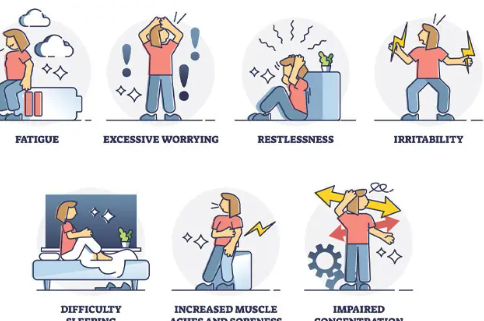
Meet Sarah, a vibrant 30-year-old whose life dances under the shadows of anxiety. For several years, she’s grappled with an insidious guest: persistent worry, a constant companion like a buzzing fly, stealing her concentration and casting a pall over her daily tasks. Restlessness has become her unwelcome roommate, pacing her thoughts even during moments of supposed rest.
But Sarah’s story isn’t just about symptoms. It’s about the ripple effects—the way anxiety disrupts the symphony of life. Work deadlines loom like thunderclouds, their pressure amplifying her worries. The warmth of social gatherings chills with the fear of scrutiny, pushing her towards isolation. Even maintaining her closest relationships feels like walking a tightrope, with anxiety threatening to snap the delicate threads of connection.
This is the landscape Sarah navigates—a world painted in shades of apprehension, where the ordinary becomes daunting. But beneath the shadows, there’s a spark of resilience, a yearning for understanding, and a life free from the grip of anxiety.
Diagnostic Assessment
Driven by the desire to reclaim control and live a life less shadowed by anxiety, Sarah bravely seeks help. She enters the office of a mental health professional, a skilled detective, ready to piece together the puzzle of her anxieties.
This isn’t a quick quiz; it’s a collaborative exploration. Through in-depth, structured interviews, the clinician looks into Sarah’s story, listening carefully as she describes the persistent worry, the restlessness, and the ever-present feeling of being on edge.
But the journey doesn’t stop there. Standardized questionnaires become allies, offering standardized measures of Sarah’s anxiety levels and specific fears. They paint a portrait of her struggles, capturing not just the intensity of her emotions but their nuances and triggers.
Beyond Sarah’s current experiences, the clinician looks into her past. Her medical history is examined, uncovering any potential physical factors that might contribute to her symptoms. Family background is explored, understanding how anxiety might have woven itself into the fabric of her life.
Piece by piece, the puzzle starts to take shape. The clinician carefully weighs all the information: Sarah’s story, the questionnaire results, and her medical and family history. It’s a delicate dance, differentiating anxiety from other conditions that might mimic its symptoms.
Differential Diagnosis
With the pieces of Sarah’s experience assembled, the clinician faces a crucial task: untangling the web of possibilities. Are her symptoms truly anxiety, or could something else be masquerading in its guise?
Mood disorders like depression or bipolar disorder can sometimes share similar symptoms of low mood, fatigue, and difficulty concentrating. The clinician carefully examines Sarah’s sleep patterns, energy levels, and overall mood picture to differentiate between worry and sadness, fleeting agitation, and sustained manic episodes.
Substance abuse can also mimic anxiety symptoms like restlessness and difficulty focusing. Exploring Sarah’s history of substance use, any triggers identified during the assessment, and the absence of physical withdrawal symptoms help rule out this possibility.
Medical conditions like thyroid disorders or chronic pain can sometimes present with anxiety-like symptoms. The clinician delves into Sarah’s medical history, inquiring about any physical ailments and conducting necessary physical examinations to ensure no underlying medical condition contributes to her anxiety.
This process isn’t about finding a single “culprit,” but rather painting a complete picture. Through careful analysis and clinical judgment, the clinician weighs all the evidence, considering the presence of specific anxiety symptoms, their severity, and their impact on Sarah’s life.
Finally, a provisional diagnosis emerges: generalized anxiety disorder (GAD). It’s not a label but a starting point, a map to guide Sarah’s journey towards healing. It acknowledges her struggles, validates her experiences, and paves the way for a personalized treatment plan tailored to her specific needs.
Treatment Plan
With the diagnosis of generalized anxiety disorder (GAD) in place, the journey takes a crucial turn. It’s time to chart a path forward—a personalized treatment plan tailored to Sarah’s unique needs and anxieties. This isn’t a one-size-fits-all approach; it’s a collaborative effort between Sarah and her clinician, weaving together different elements to create a tapestry of healing.
Psychotherapy: Imagine a safe space to explore the roots of anxiety, to challenge unhelpful thought patterns, and to develop coping mechanisms. Cognitive behavioral therapy (CBT) could be a cornerstone, equipping Sarah with skills to identify and manage her worry cycles and negative thinking. Perhaps mindfulness-based therapy offers a calming anchor, teaching her to navigate the present moment with greater awareness and serenity.
Medication: In some cases, medication can be a valuable ally, offering temporary relief from the most debilitating symptoms. The clinician carefully weighs the options, considering Sarah’s specific needs and potential side effects, and finds the right medication to ease the intensity of her anxiety without compromising her well-being.
Lifestyle Modifications: Small changes can have a big impact. The clinician might suggest sleep hygiene practices to combat fatigue and improve sleep quality, a crucial piece in managing anxiety. Exercise could become a powerful tool, releasing endorphins and promoting a sense of control over her body. Even dietary adjustments, mindful of caffeine and sugar intake, can contribute to a calmer state of mind.
Self-Care Strategies: Taking care of oneself isn’t a luxury; it’s a necessity in the fight against anxiety. The plan might incorporate relaxation techniques like deep breathing or progressive muscle relaxation, offering Sarah tools to manage anxiety in the moment. Meditation could become a sanctuary of inner peace, cultivating stillness amidst the storm. Perhaps journaling allows Sarah to explore her emotions and gain self-awareness, understanding her triggers and developing healthier coping mechanisms.
Understanding the Impact of Anxiety Disorders
Anxiety disorders can have profound effects on various aspects of an individual’s life, including:
- Social functioning: Individuals with anxiety disorders may experience difficulties in social situations, such as avoiding social interactions or feeling self-conscious in social settings. This can lead to feelings of isolation and loneliness.
- Occupational Challenges: Anxiety symptoms can interfere with work performance and productivity, leading to absenteeism, reduced job satisfaction, and impaired career advancement.
- Physical Health: Chronic anxiety can take a toll on physical health, contributing to symptoms such as muscle tension, headaches, gastrointestinal problems, and sleep disturbances.
- Relationship Strain: Anxiety disorders can strain relationships with family members, friends, and romantic partners, as individuals may struggle to communicate their needs and maintain emotional intimacy.
Conclusion
In conclusion, anxiety disorders are complex mental health conditions that require careful assessment, diagnosis, and treatment. By gaining a deeper understanding of these disorders and their impact, we can better support individuals like Sarah on their journey toward recovery and improved quality of life. Through comprehensive case study analysis and ongoing research, we continue to enhance our knowledge and interventions in the field of anxiety disorders.
Ready to elevate your grades? Request our professional writing assistance!