

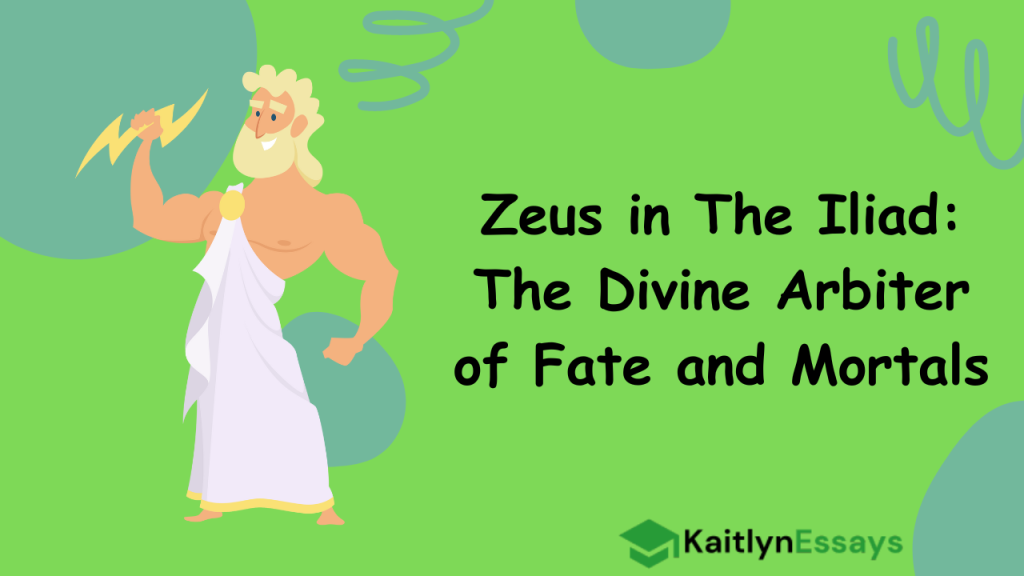
In Homer’s epic poem, The Iliad, Zeus, the king of the gods, occupies a central role in the narrative, wielding his divine power to shape the course of the Trojan War and the fate of its mortal participants. As the supreme deity of Mount Olympus, Zeus embodies both the awe-inspiring majesty and the capriciousness of the divine, serving as the ultimate arbiter of destiny and the guardian of cosmic order. In this paper, we will explore the portrayal of Zeus in The Iliad, examining his attributes, motivations, and interactions with mortals and fellow gods. Through analysis and interpretation, we will gain insight into Zeus’ significance as a symbol of divine authority and human agency in ancient Greek mythology.
Zeus as the Supreme Ruler of Mount Olympus
Zeus, known as the king of the gods, possesses unmatched authority and power over Mount Olympus. His power is symbolized by his mighty thunderbolt, which represents his dominance over both the divine and mortal realms. In The Iliad, we see how Zeus’s interactions with other gods and goddesses show his supreme position, as his words and actions are always significant and influential.
Zeus’s influence extends far beyond the divine; it reaches into the lives of mortal men and women. The characters in The Iliad often find their destinies shaped by the will of Zeus. His decisions are crucial, impacting the course of their lives and the broader events of the Trojan War. By weaving the fates of mortals into the grand tapestry of the conflict, Zeus demonstrates his role as the ultimate arbiter of destiny, reminding both gods and humans of his unparalleled power and control. Through Zeus, we understand the deep connection between the divine and mortal worlds in ancient Greek mythology, and his presence in the epic underscores the belief in the omnipotence of the gods over human affairs.
Struggling to finish your literature review before the deadline?
Our professional writers are here to help you with detailed and insightful literature reviews. We understand the pressure of tight schedules and offer timely assistance to ensure you submit a polished and thorough assignment. Trust us to provide the academic support you need to succeed.
Zeus as the Arbiter of Fate
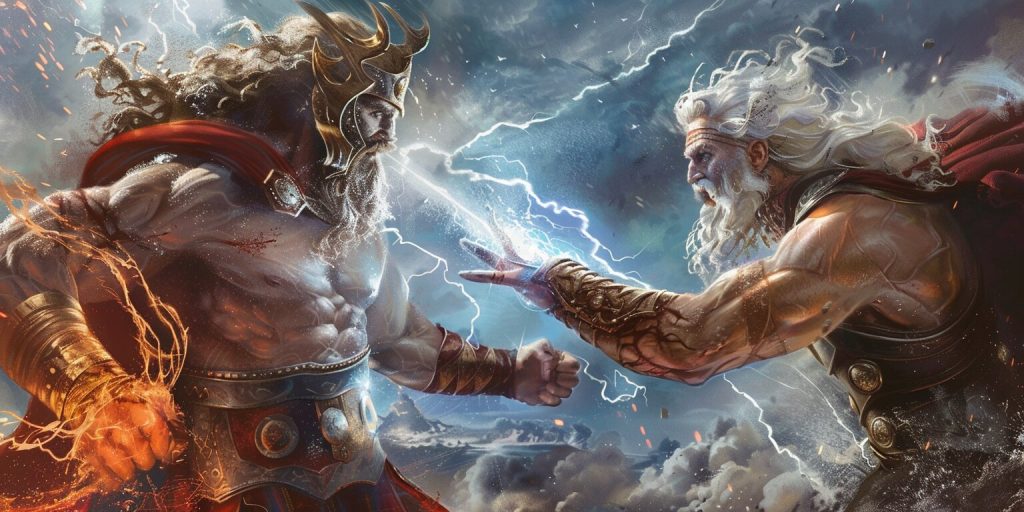
Zeus, the King of the Gods in Greek mythology, is often referred to as the arbiter of fate. He is depicted as the supreme ruler of the natural and cosmic order, controlling the weather and wielding thunderbolts as symbols of his power. As the god of the sky, Zeus is associated with the concept of law and order, ensuring justice and maintaining harmony among both gods and mortals. Additionally, he is considered the overseer of destiny and fate, shaping the course of events in the mortal world and beyond.
In the context of the Iliad, Zeus is portrayed as the ultimate arbiter of events, with his will being near-synonymous with fate. The gods themselves are somewhat bound to fate, and Zeus dictates when and where other gods can intervene. This is evident in the way the gods, particularly Hera and Athena, attempt to subvert Zeus’ actions to aid the Trojans, though ultimately, Zeus’ will holds sway.
Zeus’ role in shaping the fates of mortals is also significant. In the Iliad, Achilles is given a choice between a short, glorious life and a long, inglorious one, and he chooses the former. This choice is seen as a reflection of his fate, which is predetermined by the gods. Similarly, Hector accepts his fate without struggle, knowing that his duty is to defend Troy, and his loyalty to his city eventually leads to his tragic demise.
Zeus’ Interactions with Mortals
Zeus’ interactions with mortals in Homer’s Iliad are significant, reflecting his role as the supreme ruler of the gods and the arbiter of fate. Here are some key aspects of his interactions:
- Involvement in the War: Zeus is depicted as actively involved in the Trojan War, often intervening to influence the outcome. He frequently plots “fresh disasters” for both sides, ensuring the war continues indefinitely.
- Favoritism and Partiality: Zeus shows favoritism towards certain mortals, such as Achilles, and his family. He makes arrangements with the sea nymph Thetis to aid Achilles, indicating a personal investment in the war despite his desire for a prolonged conflict.
- Godly Interventions: Zeus, along with other gods, frequently intervenes in the war, often with contradictory motivations. For example, he forbids the gods from participating in the war in Book 8, but still directs the war against the Greeks as promised to Achilles.
- Morality and Duty: Despite his flaws, Zeus maintains a sense of morality and duty. He enforces the code of hospitality and ensures justice, even when it goes against his personal interests. This is evident in his reluctance to take sides in mortal affairs, as he must maintain the balance of power among the gods.
- Fate and Destiny: Zeus’ actions are often influenced by fate, which is depicted as a predetermined thread spun by the Moirai (Fates). This raises questions about whether Zeus’ decisions are truly his own or if they are part of a larger, predetermined plan.
- Relationships with Other Gods: Zeus’ relationships with other gods, particularly his wife Hera, are marked by conflict and infidelity. His notorious anger issues and sexual affairs mirror the human character flaws that drive the action of the Iliad.
- Influence on Mortals: Zeus’ actions have significant consequences for mortals. His interventions can change the course of battles, and his wrath can bring destruction upon cities and armies. This underscores his immense power and influence over mortal affairs.
Zeus’s Relationships and Motivations
Zeus’s relationships and motivations in Homer’s Iliad are complicated and strange. Here are some key aspects:
- Relationships with Other Gods:
- Hera: Zeus is often depicted as being in conflict with his wife Hera, particularly over the fate of Troy. This conflict is driven by Hera’s desire to see the Trojans defeated and her resentment towards Zeus for his infidelities.
- Athena: Zeus is supportive of Athena, who is a key ally of the Greeks. He allows her to intervene in the war, which helps the Greeks.
- Thetis: Zeus has a close relationship with Thetis, the sea nymph and mother of Achilles. He makes arrangements with her to aid Achilles and the Trojans, reflecting his affection for her and her son.
- Motivations:
- Maintaining Balance: As the supreme ruler of the gods, Zeus aims to maintain balance and harmony among the gods and mortals. This is evident in his reluctance to take sides in the war, ensuring that neither side gains a decisive advantage.
- Favoritism: Zeus shows favoritism towards certain mortals, such as Achilles, and his family. He makes arrangements to aid them, reflecting his personal investment in the war.
- Duty: Despite his flaws, Zeus maintains a sense of morality and duty. He enforces the code of hospitality and ensures justice, even when it goes against his personal interests.
- Fate and Destiny: Zeus’s actions are influenced by fate, which is depicted as a predetermined thread spun by the Moirai (Fates). This raises questions about whether Zeus’s decisions are truly his own or if they are part of a larger, predetermined plan.
- Role in the War:
- Involvement: Zeus is actively involved in the war, often intervening to influence the outcome. He frequently plots “fresh disasters” for both sides, ensuring the war continues indefinitely.
- Godly Interventions: Zeus, along with other gods, frequently intervenes in the war, often with contradictory motivations. For example, he forbids the gods from participating in the war in Book 8, but still directs the war against the Greeks as promised to Achilles.
- Character Flaws:
- Wrath: Zeus has notorious anger issues, particularly towards his wife Hera and any gods who disobey his commands.
- Sexual Affairs: Zeus is depicted as a womanizer, with a reputation for infidelity. This is comically referenced in Book 14, where he lists eight other women who failed to arouse him as much as Hera
Zeus as a Symbol of Justice and Order
In The Iliad, Zeus emerges as a symbol of justice and order, enforcing divine laws and maintaining balance among gods and mortals. His interventions serve not only to shape destiny but also to preserve the natural order of the world. Through Zeus’s actions, we see the importance of justice and the consequences of straying from the path of righteousness.
One of the most significant moments in the Iliad that highlights Zeus’ role as a symbol of justice occurs just before Hector’s death at the hands of Achilles. In this scene, Zeus is described as balancing his scales, a symbol of justice, to measure the “Kēres” (doom) of the two heroes. This iconic gesture suggests that Zeus is weighing the fates of Hector and Achilles, and that his decision will determine the outcome of their confrontation.
However, Zeus’ actions throughout the Iliad do not always align with his role as the upholder of justice and order. He frequently intervenes in the war, often with contradictory motivations, and shows favoritism towards certain mortals, such as Achilles and his family. This raises questions about the extent to which Zeus’ decisions are guided by justice or by his own personal interests and desires.
Moreover, Zeus’ role as the arbiter of fate suggests that he is not always in control of the outcomes of events. The concept of fate, which is depicted as a predetermined thread spun by the Moirai (Fates), implies that even Zeus’ actions are influenced by forces beyond his control. This further complicates his portrayal as a symbol of justice and order, as it suggests that his decisions may not always be the result of a rational or impartial application of justice.
Conclusion
Zeus plays a central and complicated role in The Iliad, showing the power and unpredictability of the Greek gods. As the king of the gods, he uses his thunderbolt to keep order in the universe and control the fates of both gods and humans. His interactions with human characters illustrate the delicate balance between divine influence and human actions, highlighting the complex relationship between gods and people in ancient Greek mythology. By studying Zeus in The Iliad, we understand his importance as a symbol of divine power and human decision-making in ancient Greek literature and religion.
Facing a looming deadline for your literature review assignment?
Our academic writing services offer professional assistance to ensure your literature review assignment is comprehensive and well-structured. With our help, you can meet your deadline and achieve high academic standards. Let us take the pressure off by providing you with high-quality papers tailored to your needs.