

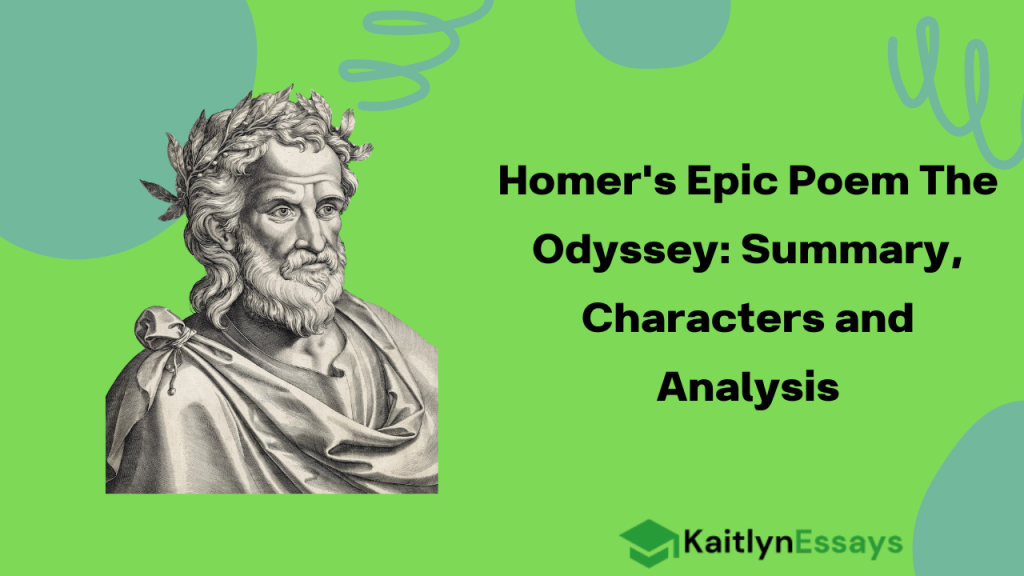
The Odyssey, attributed to the ancient Greek poet Homer, stands as one of the greatest works of classical literature. This epic poem, believed to have been composed in the 8th century BCE, narrates the journey of Odysseus as he strives to return home after the Trojan War. Through its rich tapestry of characters, themes, and narratives, The Odyssey continues to captivate readers with its timeless exploration of human nature, heroism, and the quest for homecoming.
The Odyssey Summary
“The Odyssey” tells the story of Odysseus, the king of Ithaca, who faces numerous challenges on his journey home from the Trojan War. Here’s a summary of the epic:
Book 1: The poem begins with Odysseus’ son, Telemachus, lamenting his father’s absence and the suitors who have overrun their palace, vying for his mother Penelope’s hand in marriage. Athena, disguised as Mentor, encourages Telemachus to seek news of his father.
Book 2: Telemachus calls for an assembly of Ithacans, where he expresses his frustration with the suitors. Mentor (Athena) advises him to journey to Pylos and Sparta to seek information about Odysseus.
Book 3: Telemachus visits Nestor in Pylos, who provides some information about Odysseus’ fate but advises him to consult Menelaus in Sparta.
Book 4: Telemachus arrives in Sparta and meets Menelaus and Helen, who share stories of Odysseus’ cunning and valor. Meanwhile, the suitors in Ithaca plot to ambush Telemachus on his return.
Book 5: The gods convene on Mount Olympus, and Zeus orders Hermes to instruct Calypso to release Odysseus from her island. Calypso reluctantly agrees, and Odysseus builds a raft to depart.
Book 6: Odysseus washes up on the shores of Scheria, home of the Phaeacians, where he encounters Nausicaa, daughter of King Alcinous. She leads him to the palace, where he receives hospitality.
Book 7: Odysseus is welcomed by King Alcinous and Queen Arete. During a feast, he recounts his adventures to the Phaeacians, including his journey from Troy and encounters with the Cyclops, Lotus-Eaters, and Circe.
Book 8: The Phaeacians honor Odysseus with gifts and offer to escort him home. He participates in athletic contests and feasts before departing.
Book 9: Odysseus narrates his adventures to the Phaeacians, starting with his encounter with the Cyclops Polyphemus. He reveals how he and his men blinded Polyphemus to escape, angering Poseidon.
Book 10: Odysseus recounts his encounters with Aeolus, who gave him a bag of winds, and the Laestrygonians, cannibalistic giants who destroyed most of his fleet. He also describes his visit to the witch Circe, who turned his men into pigs.
Book 11: Odysseus visits the land of the dead, where he consults the prophet Tiresias. He encounters various spirits, including his mother, and learns about the challenges awaiting him on his return to Ithaca.
Book 12: Odysseus and his men sail past the Sirens and navigate the treacherous waters between Scylla and Charybdis. Despite losing some of his crew, Odysseus presses on toward Ithaca.
Book 13: The Phaeacians transport Odysseus to Ithaca while he sleeps. Poseidon, still angry, turns their ship into stone as punishment. Odysseus wakes up on his homeland and meets Athena, who disguises him as a beggar.
Book 14: Odysseus encounters his old swineherd, Eumaeus, and tests his loyalty before revealing his true identity. Meanwhile, Telemachus returns to Ithaca.
Book 15: Athena advises Telemachus to seek shelter with Eumaeus, where he reunites with his father. They devise a plan to confront the suitors.
Book 16: Telemachus returns to the palace, while Odysseus remains with Eumaeus. Father and son secretly plot against the suitors.
Book 17: Telemachus arrives at the palace, where he is received coldly by the suitors. Meanwhile, Odysseus, still disguised, enters the palace and endures insults from the suitors.
Book 18: Odysseus, still disguised, participates in a contest of strength organized by Penelope. He proves his prowess with the bow and string and earns the trust of his wife and son.
Book 19: Odysseus reveals his true identity to Penelope and pledges to rid the palace of the suitors. He also recounts his adventures since leaving Troy.
Book 20: Odysseus, Telemachus, and loyal servants arm themselves for the impending confrontation with the suitors. Meanwhile, the suitors continue their revelry in the palace.
Book 21: The contest of the bow begins, and none of the suitors can string it except Odysseus. He proceeds to shoot and kill Antinous, the ringleader.
Book 22: A fierce battle erupts between Odysseus, Telemachus, and their allies against the suitors. With the help of Athena, Odysseus emerges victorious.
Book 23: Odysseus and Penelope are reunited, and he proves his identity to her by describing their bed, which he built himself. The couple shares a tender moment of reunion.
Book 24: Odysseus visits the underworld to make peace with the spirits of the suitors and the families of his fallen comrades. He returns to Ithaca and reconciles with his father, Laertes, before restoring order to his kingdom.
Main Characters
Odysseus
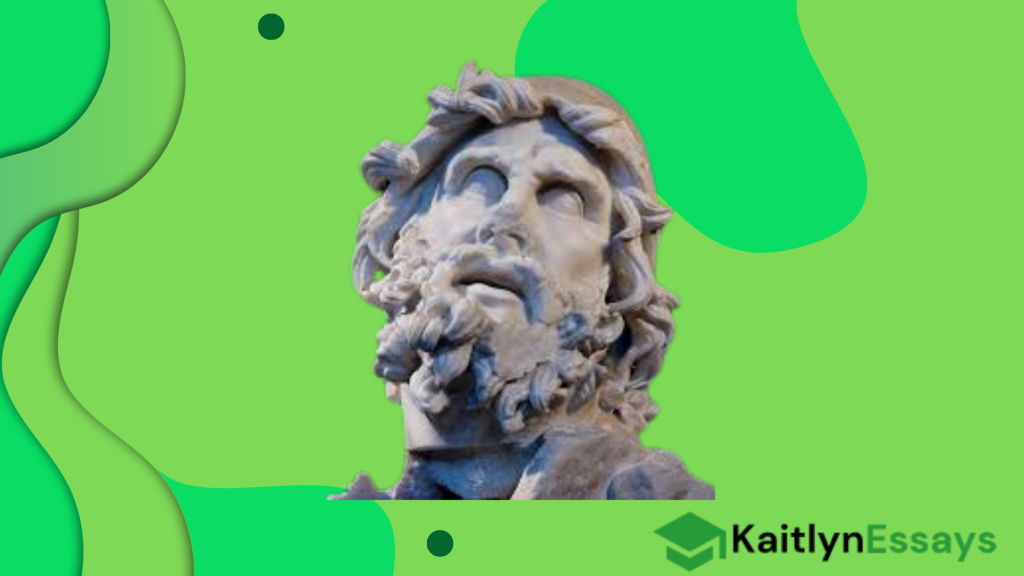
At the heart of The Odyssey lies the protagonist, Odysseus, whose name has become synonymous with cunning and resilience. Odysseus is depicted as a complex character, possessing both heroic qualities and human flaws. His journey, spanning over ten years, is marked by numerous trials and tribulations that test his wit, courage, and perseverance.
One of Odysseus’ defining traits is his cunning intellect, which he employs to outsmart adversaries and navigate perilous situations. For instance, in the episode of the Cyclops Polyphemus, Odysseus devises a clever plan to blind the giant and escape from his lair. This cunning stratagem showcases Odysseus’ resourcefulness and quick thinking in the face of danger.
However, Odysseus is not without his flaws. His pride and arrogance often lead him into trouble, as seen in his encounter with the Cyclops. After blinding Polyphemus, Odysseus taunts him, revealing his true identity and inviting the wrath of the Cyclops’ father, Poseidon. This act of hubris prolongs Odysseus’ journey home, as he incurs the wrath of the sea god, who becomes his chief antagonist throughout the epic.
Despite his flaws, Odysseus remains a sympathetic and admirable figure, admired for his courage, resilience, and loyalty to his home and family. His eventual return to Ithaca, where he is reunited with his wife Penelope and son Telemachus, serves as a triumphant conclusion to his arduous journey, reaffirming the importance of perseverance and fidelity in the face of adversity.
Penelope
In contrast to Odysseus’ adventurous exploits, Penelope, his wife, occupies a more domestic and introspective role within The Odyssey. Despite her absence from much of the narrative, Penelope emerges as a central figure whose steadfastness and loyalty parallel Odysseus’ own virtues.
Penelope’s defining characteristic is her unwavering fidelity to Odysseus, even in his prolonged absence. Throughout the epic, she remains faithful to her husband, resisting the advances of numerous suitors who seek to marry her in Odysseus’ absence. Instead, she devises clever stratagems to delay her remarriage, such as weaving and unraveling a burial shroud for Odysseus’ father, Laertes.
Penelope’s patience and cunning mirror Odysseus’ own qualities, suggesting a deep bond and understanding between husband and wife. Her role as the guardian of the household and the symbol of marital fidelity adds depth and complexity to the epic, highlighting the importance of domestic stability and loyalty in the ancient Greek world.
Telemachus
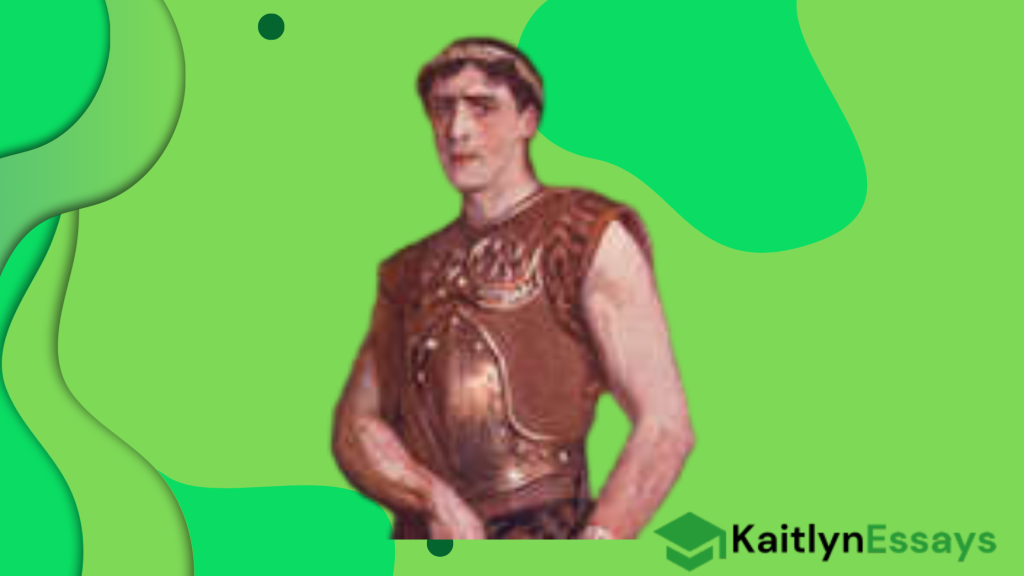
As the son of Odysseus and Penelope, Telemachus represents the next generation of heroes in The Odyssey. Initially portrayed as a timid and inexperienced youth, Telemachus undergoes a transformative journey of self-discovery and maturation throughout the epic.
At the outset of the poem, Telemachus is overshadowed by the presence of his absent father and the unruly suitors who besiege his home. He lacks the confidence and assertiveness of a true hero, feeling powerless to confront the intruders and assert his authority.
However, under the guidance of Athena, who disguises herself as Mentor, Telemachus embarks on a quest to seek news of his father and assert his rightful place as heir to the throne of Ithaca. Along the way, he matures both emotionally and spiritually, gaining wisdom and courage from his encounters with various characters, such as Nestor and Menelaus.
Telemachus’ journey parallels that of Odysseus, albeit on a smaller scale, as he learns to navigate the complexities of the adult world and assert his independence. His eventual reunion with Odysseus symbolizes the restoration of order and continuity within the household, marking the completion of his coming-of-age journey.
Athena
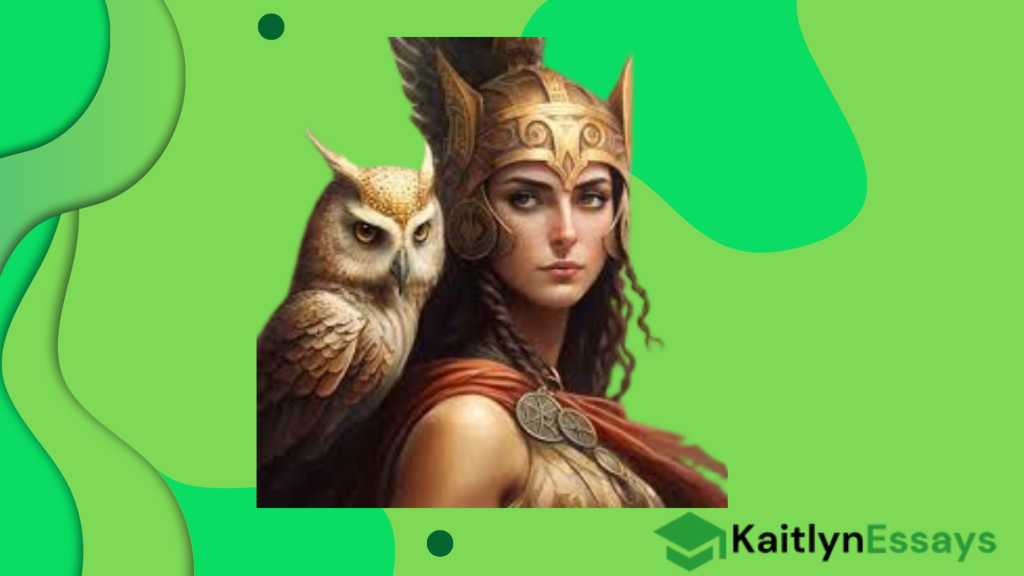
Among the pantheon of gods and goddesses that populate The Odyssey, Athena stands out as a prominent and influential figure. As the goddess of wisdom and warfare, Athena serves as a divine ally and protector of Odysseus and his family, intervening on their behalf throughout the epic.
Athena’s role in The Odyssey is multifaceted, embodying various aspects of divine intervention, mentorship, and justice. She frequently appears in disguise, assuming mortal forms to aid Odysseus and Telemachus in their quests. For instance, she disguises herself as Mentor to guide Telemachus and encourage him to assert his authority in Ithaca.
Additionally, Athena plays a crucial role in Odysseus’ return to Ithaca, providing him with strategic counsel and assistance in his encounters with both mortal and divine adversaries. Her favor towards Odysseus reflects his cunning intellect and resourcefulness, qualities that resonate with her own sphere of influence.
Beyond her role as a divine patron, Athena embodies the ideals of wisdom, justice, and female empowerment within the epic. Her interactions with mortal characters serve as moral lessons and allegorical representations of virtuous conduct, reinforcing the importance of rationality, courage, and strategic thinking in the face of adversity.
Circe
Among the many colorful characters encountered by Odysseus on his journey, Circe stands out as one of the most enigmatic and beguiling figures. As a powerful sorceress and temptress, Circe plays a pivotal role in Odysseus’ quest for homecoming, luring him and his men into her palace with the promise of hospitality and pleasure.
Circe’s transformation of Odysseus’ crew into swine serves as a cautionary tale of the dangers of succumbing to temptation and indulgence. However, unlike other antagonists in the epic, Circe is not portrayed as purely malevolent or malicious. Instead, she exhibits a complex blend of cruelty and compassion, reflecting the ambiguous nature of her character.
Despite initially enchanting Odysseus and his men, Circe ultimately becomes a valuable ally and advisor to them, providing Odysseus with crucial knowledge and guidance for his journey ahead. Her role as both seductress and mentor adds depth and nuance to her character, challenging traditional notions of feminine wiles and male heroism.
Poseidon

As the god of the sea and earthquakes, Poseidon emerges as one of the primary antagonists in The Odyssey, opposing Odysseus’ return home at every turn. Poseidon’s vendetta against Odysseus stems from the blinding of his son, the Cyclops Polyphemus, an act of hubris committed by Odysseus during his encounter with the giant.
Throughout the epic, Poseidon’s wrath manifests in the form of tempests, shipwrecks, and other obstacles that hinder Odysseus’ progress towards Ithaca. His relentless pursuit of vengeance underscores the capricious and unpredictable nature of the divine in ancient Greek mythology, where mortals are subject to the whims and fancies of the gods.
Poseidon’s antagonism towards Odysseus serves as a symbolic representation of the forces of nature and the inherent dangers of the sea. His role as the primary obstacle to Odysseus’ homecoming adds tension and suspense to the narrative, heightening the stakes of the hero’s journey and emphasizing the importance of divine favor and intervention.
Analysis of Themes
“The Odyssey” is replete with themes that continue to resonate with readers today. Among the most prominent are:
1. The Journey Home
Central to the narrative is Odysseus’s quest to return home, which serves as both a physical and metaphorical journey. His longing for Ithaca and his loved ones drives him forward despite the countless obstacles in his path. This theme underscores the importance of home, family, and belonging in human experience.
2. Heroism and Cunning
Odysseus emerges as a complex hero whose intelligence and resourcefulness are as crucial to his success as his physical prowess. His ability to outwit his adversaries, navigate treacherous waters, and persevere in the face of adversity exemplifies the archetype of the hero as both warrior and strategist.
3. Fate vs. Free Will
Throughout the epic, the tension between fate and free will is a recurring motif. While the gods play a decisive role in shaping Odysseus’s destiny, he also exercises agency through his choices and actions. This theme invites reflection on the nature of human agency and the interplay between individual will and divine intervention.
4. Hospitality and Xenia
Hospitality, or xenia, is a foundational value in ancient Greek society, and it figures prominently in “The Odyssey.” Odysseus’s encounters with various hosts and strangers highlight the importance of hospitality as a moral imperative and the consequences of both honoring and violating its principles.
5. The Hero’s Journey
“The Odyssey” follows the classic structure of the hero’s journey, as outlined by mythologist Joseph Campbell. Odysseus undergoes a series of trials, transformations, and revelations that ultimately lead to his return home and spiritual renewal. This narrative archetype resonates with readers by tapping into universal themes of growth, perseverance, and self-discovery.
Scholarly Perspectives
Numerous scholars have explored the themes, motifs, and cultural significance of “The Odyssey” from various disciplinary perspectives. Among the key works that provide insights into the epic are:
- “The World of Odysseus” by M.I. Finley This seminal work offers a socio-historical analysis of the world depicted in “The Odyssey,” shedding light on the customs, values, and institutions of ancient Greek society.
- “The Iliad and the Odyssey” by Alberto Manguel Manguel’s comparative study of Homer’s two epics explores their thematic similarities and differences, offering fresh interpretations of their enduring relevance.
- “The Odyssey: A Norton Critical Edition” edited by Albert Cook This comprehensive edition includes a wide range of scholarly essays, critical interpretations, and historical contexts that enrich readers’ understanding of the epic.
- “Homer’s Odyssey: A Companion to the Translation of Richmond Lattimore” by Peter H. Vardy Vardy’s companion volume provides valuable background information, literary analysis, and discussion questions to accompany Richmond Lattimore’s acclaimed translation of “The Odyssey.”
- “The Return of Ulysses: A Cultural History of Homer’s Odyssey” by Edith Hall Hall’s cultural history explores the reception and interpretation of “The Odyssey” across different historical periods and cultural contexts, illuminating its enduring legacy and adaptability.
Analysis of Symbols
“The Odyssey” is rich with symbolism, offering readers layers of meaning and insight into the human condition. Here are some key symbols from the epic:
- The Bow of Odysseus: Odysseus’ bow is a symbol of his prowess, strength, and identity. It becomes a focal point during the contest of the bow, where only Odysseus can string and shoot it, demonstrating his unique skill and rightful place as king.
- The Olive Tree: The olive tree in the courtyard of Odysseus’ palace serves as a symbol of endurance, prosperity, and the ties to his homeland. It’s also a test for Penelope’s suitors, as Odysseus crafted his bed from its trunk, emphasizing his deep connection to Ithaca.
- Disguises: Throughout the epic, disguises symbolize deception, transformation, and the fluidity of identity. Odysseus disguises himself as a beggar upon his return to Ithaca, testing the loyalty of those around him and revealing the true nature of his allies and enemies.
- The Lotus Flower: The Lotus-Eaters symbolize temptation, escapism, and the allure of pleasure. When Odysseus’ men consume the lotus flower, they lose their desire to return home, highlighting the dangers of indulgence and distraction on the journey.
- The Sirens: The Sirens represent temptation, allure, and the dangers of succumbing to desire. Their enchanting songs lure sailors to their doom, symbolizing the obstacles and distractions that threaten Odysseus’ journey and his quest for homecoming.
- The Cyclops: Polyphemus, the Cyclops, symbolizes brute strength, savagery, and the primal forces of nature. Odysseus’ encounter with Polyphemus showcases his wit and cunning in overcoming seemingly insurmountable obstacles.
- The Underworld: The Underworld symbolizes the realm of the dead, offering insights into mortality, fate, and the consequences of one’s actions. Odysseus’ journey to the Underworld allows him to confront his past and gain wisdom from the spirits of the departed.
- The Suitors: The suitors symbolize greed, arrogance, and the abuse of power. Their presence in Odysseus’ palace reflects the chaos and disorder that reign in his absence, and their eventual demise signifies the restoration of justice and order in Ithaca.
- Hospitality: Hospitality, or xenia, symbolizes the obligations and responsibilities between hosts and guests in ancient Greek society. Odysseus’ encounters with various hosts, both hospitable and hostile, highlight the importance of generosity, reciprocity, and respect for the sacred bonds of hospitality.
- The Sea: The sea symbolizes both the passage of time and the unpredictable nature of life’s journey. It serves as both a barrier and a conduit for Odysseus’ quest, representing the challenges, risks, and opportunities inherent in the human experience.
Conclusion
The Odyssey by Homer is a timeless epic that continues to captivate readers with its rich tapestry of characters, themes, and narratives. From the cunning heroism of Odysseus to the steadfast loyalty of Penelope and the coming-of-age journey of Telemachus, the epic explores the complexities of human nature, heroism, and the quest for homecoming.
Through its portrayal of divine intervention, mortal struggles, and the triumph of the human spirit, The Odyssey remains a testament to the enduring power of storytelling and the universality of its themes. As readers journey alongside Odysseus and his companions, they are reminded of the timeless truths and moral lessons embedded within this ancient epic, reaffirming its status as a literary masterpiece for the ages.
Don’t let procrastination derail your academic progress – enlist the help of our writing service and stay on track towards your goals. Whether you need assistance with brainstorming ideas, organizing your thoughts, or polishing your final draft, our team of skilled writers is here to provide the support you need. Take control of your academic journey and achieve the results you deserve with our reliable and efficient writing services.