

Introduction
Homer’s epic poem, “The Odyssey,” is a timeless tale that has captivated audiences for centuries. At its core, the narrative follows the journey of the Greek hero Odysseus as he strives to return home after the Trojan War. While on the surface, “The Odyssey” may seem like a simple adventure story, a deeper analysis reveals that it closely aligns with the structure of the hero’s journey, a narrative pattern identified by scholar Joseph Campbell. This paper will explore how “The Odyssey” exemplifies the hero’s journey archetype, examining the stages of departure, initiation, and return as Odysseus embarks on his epic quest.
Departure: The Call to Adventure
The hero’s journey typically begins with a call to adventure, an event or circumstance that prompts the protagonist to leave their ordinary world behind and embark on a quest. In “The Odyssey,” Odysseus’s call to adventure comes in the form of the Trojan War. As a respected warrior and king of Ithaca, Odysseus is duty-bound to join the Greek forces in their campaign against Troy. This call to arms thrusts Odysseus into the realm of the extraordinary, setting him on a path that will ultimately lead to his long and arduous journey home.
Initiation: Trials and Tribulations
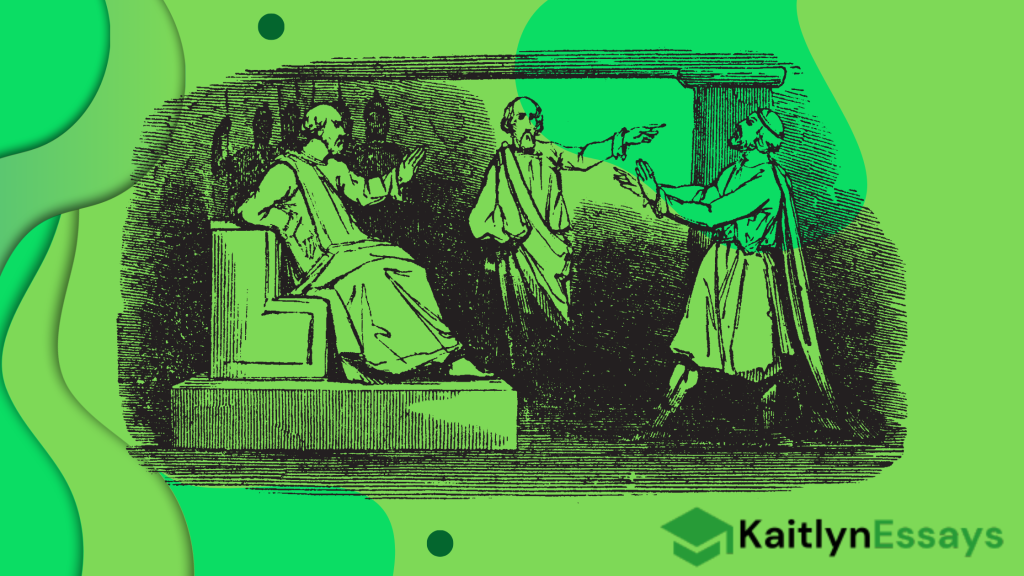
The initiation phase of the hero’s journey is characterized by a series of trials and tribulations that the hero must overcome in order to achieve their goal. For Odysseus, this phase is perhaps the most prominent aspect of his journey, as he encounters numerous obstacles and adversaries on his voyage back to Ithaca. From facing the Cyclops Polyphemus to resisting the temptations of the Lotus Eaters and navigating the treacherous waters of Scylla and Charybdis, Odysseus is constantly tested both physically and mentally. Each trial serves to shape his character and test his resolve, reinforcing his status as a legendary hero.
Meeting Allies and Mentors
Throughout the initiation phase of the hero’s journey, the protagonist often encounters allies and mentors who assist them on their quest. In “The Odyssey,” Odysseus is aided by a variety of characters, including the goddess Athena, who serves as his patron and protector. Athena provides Odysseus with guidance and assistance throughout his journey, often appearing in disguise to offer sage advice or intervene on his behalf. Additionally, Odysseus receives aid from other figures such as the seer Tiresias, the nymph Calypso, and the swineherd Eumaeus. These allies and mentors play a crucial role in Odysseus’s success, offering him support and wisdom as he faces the challenges ahead.
Return: Reconciliation and Homecoming

The final phase of the hero’s journey is the return, during which the protagonist must reconcile with their past and reintegrate into their ordinary world. For Odysseus, the return home to Ithaca represents the culmination of his long and arduous journey. However, his homecoming is not without its challenges, as he must contend with the suitors who have overrun his palace in his absence.
With the help of his son Telemachus, as well as the goddess Athena and other allies, Odysseus is able to reclaim his rightful place as king of Ithaca and restore order to his kingdom. This final act of reconciliation marks the completion of Odysseus’s hero’s journey, as he is finally able to return home and reunite with his family.
Conclusion
“The Odyssey” is a quintessential example of the hero’s journey archetype, as exemplified by the journey of its protagonist, Odysseus. From his departure to the trials and tribulations of his initiation, and finally to his triumphant return home, Odysseus’s epic quest follows the classic pattern of the hero’s journey. Through his encounters with allies and mentors, as well as his struggles with adversaries and obstacles, Odysseus undergoes a transformative journey that ultimately leads him to self-discovery and redemption. As such, “The Odyssey” continues to endure as a timeless tale of adventure, resilience, and the enduring power of the human spirit.
Ready to Elevate Your Grades? Our academic writing services provide customized support to help you achieve your academic goals. From essays to dissertations, our skilled writers ensure thorough research and impeccable writing, empowering you to excel in your studies and beyond.
FAQs
What is “The Odyssey” about?
What is the hero’s journey?
How does “The Odyssey” align with the hero’s journey archetype?
Who is the protagonist of “The Odyssey”?
What are some examples of trials and tribulations faced by Odysseus in “The Odyssey”?
How does Odysseus demonstrate heroism throughout “The Odyssey”?
What role do allies and mentors play in Odysseus’s journey?
How does “The Odyssey” explore themes of homecoming and reconciliation?
Why is “The Odyssey” considered a timeless classic?
How can “The Odyssey” inspire modern audiences?
References
- Homer. The Odyssey. Translated by Robert Fagles, Penguin Classics, 1996.
- Campbell, Joseph. The Hero with a Thousand Faces. Princeton University Press, 1973.
- Nagy, Gregory. The Ancient Greek Hero in 24 Hours. Harvard University Press, 2013.
- Woodford, Susan. The Trojan War in Ancient Art. Cornell University Press, 1993.
- Graziosi, Barbara, and Johannes Haubold. Homer: The Resonance of Epic. Duckworth, 2005.
- Vernant, Jean-Pierre. The Universe, the Gods, and Men: Ancient Greek Myths. HarperCollins, 2002.