

Introduction
Addiction is a complex condition, a brain disorder that is manifested by compulsive substance use despite harmful consequences. It involves an inability to control one’s use of a substance (such as drugs or alcohol) or engage in a behavior (such as gambling or gaming) despite knowing the negative effects it may have on one’s health, relationships, or life in general. Addiction affects the brain’s reward circuitry, leading to cravings and a dependence on the substance or behavior to feel pleasure or relief from discomfort. Over time, addiction can lead to significant impairment in various aspects of life and can be difficult to overcome without proper treatment and support.
Addiction is a big problem that affects many people and communities. It’s not just about drugs or alcohol—addiction can also be about things like gambling or video games. Understanding addiction is really important for keeping people healthy. By learning more about addiction and how it works, we can find better ways to help people who are struggling with it. This is why we’re going to talk about addiction and its effects on public health. We’ll look at how addiction impacts individuals, families, and society, and what we can do to make things better.

The Nature of Addiction
Addiction is not merely a matter of weak willpower or moral failing but rather a chronic brain disease that affects the brain’s structure and function. It involves changes in the brain’s reward circuitry, leading to compulsive behaviors and a lack of control over drug use. Individuals with addiction may continue to seek and use drugs despite negative consequences, such as health problems, legal issues, and strained relationships.
The Neurobiology of Addiction
At its core, addiction is rooted in changes within the brain’s reward circuitry. According to Volkow and Li (2004), repeated exposure to addictive substances or behaviors triggers significant alterations in the brain’s neurotransmitter systems, particularly those involving dopamine, a neurotransmitter associated with pleasure and reward. These changes lead to a dysregulation of the brain’s reward system, resulting in heightened cravings and compulsive drug-seeking behaviors.
Neuroimaging studies have provided valuable insights into the neural mechanisms underlying addiction. For instance, functional magnetic resonance imaging (fMRI) studies have revealed abnormal patterns of brain activity in individuals with addiction, particularly in regions associated with reward processing, such as the ventral striatum and prefrontal cortex (Koob & Volkow, 2016). These findings highlight the profound impact of addiction on the brain’s structure and function, underscoring its classification as a brain disease.
Behavioral Manifestations of Addiction
The neurological changes associated with addiction manifest in various behavioral patterns that characterize the condition. Individuals with addiction often exhibit compulsive drug-seeking behaviors, despite being aware of the negative consequences. This lack of control over drug use is a hallmark feature of addiction and distinguishes it from simple substance misuse.
Moreover, addiction is associated with a range of behavioral and psychological symptoms, including cravings, tolerance, and withdrawal. Cravings refer to intense urges or desires to engage in addictive behaviors, which can be triggered by environmental cues or internal states. Tolerance develops as the brain adapts to the presence of the addictive substance, requiring increasingly higher doses to achieve the desired effects. Withdrawal symptoms, on the other hand, emerge when the substance is discontinued, leading to a range of physical and psychological discomforts.
Compulsive Drug Seeking and Use
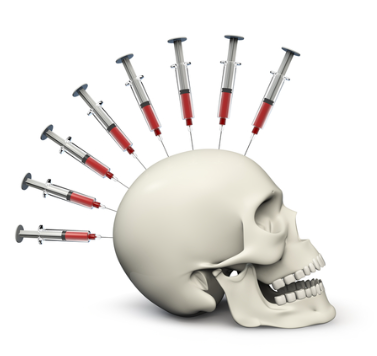
At the heart of addiction lies the relentless cycle of compulsive drug seeking and use, characterized by an overpowering craving for the substance. This behavior consumes the individual’s thoughts and actions, becoming the central focus of their existence. In the throes of addiction, other responsibilities and priorities take a backseat as the pursuit of drugs takes precedence.
Despite facing a myriad of negative consequences, from deteriorating health to strained relationships and legal troubles, individuals grappling with addiction find themselves ensnared in a seemingly inescapable grip. The compulsion to use drugs persists, overriding rational thought and willpower. This persistent craving is not merely a matter of choice but is deeply rooted in the changes that occur within the brain’s chemistry and circuitry.
The brain’s reward system, which normally functions to reinforce adaptive behaviors such as eating and socializing, becomes hijacked by addictive substances. Drugs flood the brain with dopamine, a neurotransmitter associated with pleasure and reward, leading to intense feelings of euphoria. Over time, the brain adapts to the presence of drugs by reducing its natural production of dopamine and dampening the response to other pleasurable stimuli.
As a result, individuals with addiction experience diminished pleasure from activities that were once enjoyable, further reinforcing their reliance on drugs to experience pleasure. The compulsive seeking and use of drugs become ingrained in the individual’s neural circuitry, driving them to prioritize drug use above all else. Even in the face of adverse consequences, the powerful cravings and altered brain chemistry make it exceedingly difficult for individuals to break free from the cycle of addiction.
Moreover, addiction is often characterized by a phenomenon known as tolerance, whereby individuals require increasing amounts of the substance to achieve the desired effects. This escalation in drug consumption exacerbates the cycle of compulsive drug seeking and use, as individuals chase the elusive high that becomes increasingly elusive.
In essence, compulsive drug seeking and use represent a profound disruption of normal brain functioning, hijacking the reward system and perpetuating a cycle of dependence and craving. Understanding the neurobiological underpinnings of this behavior is crucial for developing effective interventions and treatments to address addiction and help individuals reclaim their lives from its grasp.
Harmful Consequences
Physical Health Consequences
One of the most immediate and visible consequences of addiction is its detrimental impact on physical health. Substance abuse takes a significant toll on the body, leading to a myriad of health complications and medical conditions. For instance, chronic alcohol abuse can result in liver disease, cardiovascular problems, and neurological damage (National Institute on Alcohol Abuse and Alcoholism [NIAAA], 2021). Similarly, long-term use of drugs such as opioids can lead to respiratory depression, infectious diseases, and organ damage (National Institute on Drug Abuse [NIDA], 2020).
Moreover, addiction often co-occurs with other health conditions, exacerbating their severity and complicating treatment efforts. Individuals struggling with addiction are more susceptible to mental health disorders such as depression, anxiety, and post-traumatic stress disorder (PTSD) (Substance Abuse and Mental Health Services Administration [SAMHSA], 2019). These comorbid conditions further compromise physical health outcomes and contribute to the overall burden of disease associated with addiction.
Mental Health Consequences

In addition to its impact on physical health, addiction exacts a heavy toll on mental well-being. Substance abuse alters brain chemistry and function, leading to cognitive impairment, mood disturbances, and psychiatric disorders. Chronic drug use can impair judgment, memory, and decision-making abilities, making it difficult for individuals to function effectively in daily life (NIDA, 2020).
Furthermore, addiction is often accompanied by profound psychological distress, including feelings of shame, guilt, and hopelessness. The cycle of addiction perpetuates a sense of powerlessness and despair, further exacerbating mental health symptoms and increasing the risk of suicide (SAMHSA, 2019). Left untreated, co-occurring mental health disorders and addiction can spiral into a vicious cycle of self-destructive behavior, compounding the individual’s suffering and impairing their ability to seek help.
Impact on Relationships
Another significant consequence of addiction is its destructive impact on interpersonal relationships. Addiction strains familial bonds, erodes trust, and disrupts communication, leading to conflict and dysfunction within the family unit. Children of parents with addiction are particularly vulnerable, experiencing emotional neglect, instability, and trauma that can have lasting effects on their development and well-being (Conners et al., 2016).
Moreover, addiction often isolates individuals from their social support networks, leaving them feeling alienated and alone. Friends and loved ones may become disillusioned or resentful, distancing themselves from the individual struggling with addiction in an effort to protect themselves from the chaos and turmoil that often accompany the condition. This social isolation further exacerbates feelings of loneliness and despair, perpetuating the cycle of addiction.
Societal Consequences
Beyond its impact on individual health and relationships, addiction imposes a significant burden on society as a whole. Substance abuse contributes to a wide range of societal problems, including crime, unemployment, and economic instability. According to a report by the NIDA (2020), the economic cost of substance abuse in the United States exceeds $740 billion annually, encompassing healthcare expenses, lost productivity, and criminal justice costs.
Furthermore, addiction strains public resources and healthcare systems, diverting funds away from other critical priorities such as education and infrastructure. Substance abuse-related hospitalizations and emergency room visits place a strain on healthcare facilities, contributing to overcrowding and resource shortages. Additionally, addiction fuels criminal activity, with many individuals resorting to theft, violence, and drug trafficking to support their habits (NIDA, 2020).
Addiction as a Public Health Concern

Addiction is increasingly recognized as a significant public health issue, drawing attention due to its pervasive nature and profound impact on individuals and society. Several factors contribute to the public health significance of addiction, encompassing its prevalence, associated health risks, social and economic costs, as well as the stigma and discrimination surrounding the condition.
Prevalence
One of the primary reasons addiction is considered a public health concern is its widespread prevalence across diverse populations worldwide. According to data from the World Health Organization (WHO), approximately 35 million people globally suffer from drug use disorders, highlighting the magnitude of the problem (World Health Organization, 2018). Addiction knows no boundaries, affecting individuals of all ages, genders, races, and socioeconomic backgrounds. From urban centers to rural communities, no region is immune to the impact of addiction, underscoring the need for comprehensive public health interventions.
Health Risks
The health risks associated with addiction are myriad and significant, posing serious threats to individuals’ well-being and public health systems. Substance abuse is linked to a range of adverse health outcomes, including overdose, infectious diseases such as HIV/AIDS and hepatitis, mental health disorders like depression and anxiety, and chronic medical conditions such as liver disease and cardiovascular problems (National Institute on Drug Abuse [NIDA], 2020). These health risks not only result in individual suffering but also place a considerable burden on healthcare systems, straining resources and infrastructure.
Social and Economic Costs
Beyond its impact on individual health, addiction exacts a heavy toll on society as a whole, imposing substantial social and economic costs. Addiction-related issues, such as crime, unemployment, poverty, and healthcare expenses, contribute to the erosion of social cohesion and economic stability. The National Institute on Drug Abuse (NIDA) estimates that the economic cost of substance abuse in the United States alone exceeds $740 billion annually, encompassing healthcare expenses, lost productivity, and criminal justice costs (NIDA, 2020). These staggering figures underscore the far-reaching consequences of addiction and highlight the urgent need for comprehensive prevention and treatment strategies.
Stigma and Discrimination
In addition to its direct health and economic impacts, addiction is compounded by stigma and discrimination, further exacerbating its public health significance. Stigma refers to negative attitudes and beliefs surrounding addiction, which often lead to social exclusion, discrimination, and barriers to treatment. Individuals struggling with addiction may face judgment, shame, and reluctance to seek help due to fear of stigma (Livingston et al., 2012). Moreover, societal misconceptions about addiction perpetuate stereotypes and myths, hindering efforts to address the root causes of the condition and provide effective support services.
In conclusion, addiction represents a significant public health concern, characterized by its widespread prevalence, associated health risks, social and economic costs, and the pervasive stigma surrounding the condition. Addressing the complex interplay of factors contributing to addiction requires a comprehensive public health approach that prioritizes prevention, early intervention, and access to evidence-based treatment and support services. By raising awareness, challenging stigma, and fostering collaboration across sectors, we can work towards reducing the burden of addiction and promoting health and well-being for all individuals and communities.
Planning Care for Addiction
Assessment
The first step in planning care for addiction is conducting a comprehensive assessment to gather information about the individual’s substance use history, physical and mental health status, social support network, and treatment needs. Assessment tools such as standardized questionnaires, interviews, and medical screenings are utilized to gather relevant data and identify areas of concern. The assessment process helps healthcare providers gain a deeper understanding of the individual’s unique circumstances and develop a personalized care plan tailored to their specific needs and goals.
Goal Setting
Collaborative goal setting is a crucial component of care planning for addiction, as it empowers individuals to take an active role in their recovery journey. Goals should be specific, measurable, achievable, relevant, and time-bound (SMART), reflecting the individual’s aspirations, motivations, and values. Common goals in addiction treatment may include reducing substance use, improving physical and mental health, enhancing social relationships, and increasing overall well-being. By setting realistic and meaningful goals, individuals are more likely to remain engaged in treatment and motivated to achieve positive outcomes.
Treatment Planning
Once goals have been established, a comprehensive treatment plan is developed to address the individual’s specific needs and goals. Treatment planning involves selecting evidence-based interventions and support services that align with the individual’s stage of readiness for change, preferences, and cultural background. Behavioral therapies, medication-assisted treatment (MAT), support groups, and ancillary services such as case management and vocational training may be incorporated into the treatment plan to provide holistic care and support recovery.
Continuum of Care
Planning care for addiction involves considering the continuum of care, which encompasses a range of services and interventions designed to meet the evolving needs of individuals throughout the recovery process. This may include initial assessment and detoxification, followed by residential or outpatient treatment, and ongoing maintenance and relapse prevention support. Seamless transitions between levels of care are essential to provide continuity and support individuals as they progress through different stages of recovery.
Collaboration
Effective care planning for addiction requires collaboration and coordination among multidisciplinary care team members, including healthcare providers, mental health professionals, social workers, peer support specialists, and community organizations. Engaging family members and significant others in the care planning process can also provide valuable support and resources for the individual in recovery. By fostering collaboration and communication among team members, care plans can be more effectively implemented and tailored to meet the individual’s needs.
Crisis Management
Planning for crisis management is an essential aspect of care planning for addiction, as individuals may experience relapse, overdose, or other acute situations during the course of treatment. Protocols for addressing emergencies should be developed, ensuring that staff members are trained in crisis intervention techniques and have access to appropriate resources and support services. Crisis management plans should be regularly reviewed and updated to ensure they remain effective and responsive to the individual’s needs.
Cultural Competence
Cultural competence is critical in planning care for addiction, as individuals from diverse backgrounds may have unique beliefs, values, and preferences related to substance use and recovery. Care plans should be culturally sensitive and responsive to the individual’s cultural identity and background. This may involve incorporating culturally relevant interventions, engaging community resources, and respecting the individual’s autonomy and self-determination. By providing culturally competent care, healthcare providers can build trust and rapport with individuals and enhance the effectiveness of treatment.
Trauma-Informed Care
Many individuals with addiction have experienced trauma, which can complicate their recovery journey and impact their response to treatment. Planning care with a trauma-informed approach involves recognizing the prevalence of trauma among individuals with addiction and creating a safe and supportive environment that promotes healing and empowerment. Trauma-specific interventions, such as trauma-focused therapy and mindfulness-based approaches, may be integrated into the care plan to address underlying trauma and support the individual’s recovery process.
Self-Care and Wellness
Promoting self-care and wellness is essential in planning care for addiction, as individuals need to develop healthy coping strategies and lifestyle behaviors to support their recovery journey. Care plans should include education and resources on self-care practices such as exercise, nutrition, sleep hygiene, stress management, and leisure activities. By empowering individuals to prioritize their own well-being and practice self-care, care plans can enhance resilience, reduce relapse risk, and improve overall quality of life.
Monitoring and Evaluation
Finally, monitoring and evaluation are critical components of care planning for addiction, as they allow healthcare providers to assess the effectiveness of interventions, track progress towards goals, and make adjustments to the care plan as needed. Regular assessments, outcome measures, and feedback from the individual and their support network are used to evaluate the impact of treatment and identify areas for improvement. By monitoring and evaluating care plans, healthcare providers can ensure that individuals receive the support and resources they need to achieve long-term recovery and wellness.
Addressing Addiction: A Public Health Approach

Planning care for individuals with addiction requires adherence to several key principles to ensure effective and comprehensive support. By aligning care plans with these principles, healthcare providers can tailor interventions to meet the unique needs and preferences of each individual, fostering a supportive environment for recovery and long-term wellness.
To effectively tackle the complex issue of addiction, a comprehensive public health approach is essential. This approach encompasses prevention, treatment, and recovery support services, recognizing addiction as a multifaceted health concern influenced by biological, psychological, social, and environmental factors. By implementing strategies aimed at reducing addiction’s prevalence, mitigating its impact, and promoting overall well-being, we can work towards creating healthier communities and individuals.
Prevention
Prevention lies at the forefront of addressing addiction, focusing on reducing the initiation of drug use, delaying the onset of addiction, and minimizing the harm associated with substance misuse. Several strategies can be employed to achieve these goals:
- Education and Awareness: Providing comprehensive education and raising awareness about the risks of drug use is essential in preventing addiction. This includes educating individuals, families, and communities about the physical, emotional, and social consequences of substance abuse. By promoting healthy coping mechanisms and resilience-building skills, individuals can better navigate life’s challenges without resorting to drugs or alcohol.
- Policy and Regulation: Policy interventions play a crucial role in preventing addiction by regulating the availability, accessibility, and marketing of addictive substances. This may involve implementing strict regulations on the sale and distribution of alcohol, tobacco, and prescription medications, as well as controlling the advertising and promotion of these substances. Additionally, policies aimed at reducing social determinants of addiction, such as poverty and unemployment, can help address underlying risk factors.
- Community Mobilization: Engaging communities in prevention efforts is key to creating a supportive environment that promotes healthy behaviors and reduces substance abuse. Community-based initiatives, such as youth outreach programs, school-based prevention curricula, and neighborhood watch groups, empower individuals to take collective action against addiction. By fostering peer support networks and encouraging community involvement, we can build resilience and protective factors that buffer against the development of addiction.
Treatment
In addition to prevention, effective treatment is essential for addressing addiction and supporting individuals in their journey towards recovery. Treatment approaches should be evidence-based, holistic, and tailored to meet the diverse needs of individuals with addiction. Key components of addiction treatment include:
- Screening and Assessment: Identifying individuals with substance use disorders through comprehensive screening and assessment is the first step in treatment. This allows healthcare providers to determine the severity of the addiction, assess co-occurring mental health issues, and develop personalized treatment plans.
- Behavioral Interventions: Behavioral therapies, such as cognitive-behavioral therapy (CBT), motivational interviewing (MI), and contingency management (CM), are effective in helping individuals modify their attitudes and behaviors related to substance abuse. These therapies aim to enhance motivation for change, develop coping skills to resist cravings, and address underlying psychological issues contributing to addiction.
- Medication-Assisted Treatment (MAT): MAT combines behavioral therapy with medications that help alleviate withdrawal symptoms, reduce cravings, and block the effects of addictive substances. Medications such as methadone, buprenorphine, and naltrexone are commonly used in the treatment of opioid addiction, while medications like acamprosate and disulfiram are used to treat alcohol dependence.
- Supportive Services: In addition to clinical interventions, individuals in treatment may benefit from a range of supportive services, including case management, vocational training, housing assistance, and peer support groups. These services address social determinants of health and help individuals navigate the challenges of recovery while rebuilding their lives.
Recovery Support Services
Recovery from addiction is a lifelong journey that requires ongoing support and resources. Recovery support services aim to promote long-term sobriety, improve quality of life, and facilitate community reintegration for individuals in recovery. These services may include:
- Peer Support Groups: Peer support groups, such as Alcoholics Anonymous (AA) and Narcotics Anonymous (NA), provide a supportive environment where individuals in recovery can share their experiences, receive encouragement, and learn from others who have overcome similar challenges. Peer support fosters a sense of belonging and accountability, which are essential for maintaining sobriety.
- Sober Living Homes: Sober living homes offer a supportive living environment for individuals transitioning from addiction treatment to independent living. These residences provide structure, accountability, and peer support, helping individuals maintain sobriety while reintegrating into society.
- Continuing Care: Continued engagement in treatment and support services is critical for sustaining recovery over the long term. Continuing care may involve ongoing therapy, medication management, and regular check-ins with healthcare providers to monitor progress and address any challenges or relapse triggers.
Addressing addiction requires a multifaceted public health approach that encompasses prevention, treatment, and recovery support services. By implementing evidence-based strategies aimed at reducing the initiation of drug use, providing comprehensive treatment to individuals with addiction, and offering ongoing support for those in recovery, we can work towards reducing the burden of addiction and promoting health and well-being for all individuals and communities.
Having difficulty expressing your ideas in writing? We are here to help. We specialize in offering high-quality academic writing services, ensuring that your paper is not only well-written but also demonstrates a thorough understanding of the subject. With our experienced professionals assisting you, you can transform any challenging topic into a finely crafted masterpiece.
References
Conners, N. A., Bradley, R. H., Mansell, L. W., Liu, J. Y., Roberts, T. J., Burgdorf, K., & Herrell, J. M. (2016). Children of mothers with serious substance abuse problems: An accumulation of risks. American Journal of Drug and Alcohol Abuse, 42(5), 441-451.
National Institute on Alcohol Abuse and Alcoholism. (2021). Alcohol’s Effects on the Body. Retrieved from https://www.niaaa.nih.gov/alcohols-effects-body
National Institute on Drug Abuse. (2020). Costs of Substance Abuse. Retrieved from https://www.drugabuse.gov/drug-topics/trends-statistics
Substance Abuse and Mental Health Services Administration. (2019). Mental Health and Substance Use Disorders. Retrieved from https://www.samhsa.gov/find-help/disorders
Livingston, J. D., Milne, T., Fang, M. L., & Amari, E. (2012). The effectiveness of interventions for reducing stigma related to substance use disorders: a systematic review. Addiction, 107(1), 39-50.
National Institute on Drug Abuse. (2020). Costs of Substance Abuse. Retrieved from https://www.drugabuse.gov/drug-topics/trends-statistics
World Health Organization. (2018). Management of Substance Abuse. Retrieved from https://www.who.int/news-room/fact-sheets/detail/substance-abuse