
Introduction
Addiction is a complex and multifaceted phenomenon that encompasses both physiological dependence and psychological cravings for a substance or behavior. It manifests across various domains, including substance use disorders, gambling addiction, internet addiction, and more recently, smartphone addiction. Addiction is considered a significant public health concern due to its widespread prevalence, detrimental effects on individuals and communities, and the associated economic and social costs.
Classic signs of addiction include compulsive engagement in rewarding stimuli, preoccupation with substances or behavior, and continued use despite negative consequences. It often involves immediate gratification coupled with delayed deleterious effects1.
Examples of drug addictions include alcoholism, cannabis addiction, amphetamine addiction, cocaine addiction, nicotine addiction, opioid addiction, and eating or food addiction. Behavioral addictions may include gambling addiction, shopping addiction, internet addiction, social media addiction, obsessive–compulsive disorder, video game addiction, and sexual addiction1.
In summary, addiction is a complex interplay of psychosocial and neurobiological factors, leading to a compulsive pursuit of rewards despite negative consequences1. If you or someone you know is struggling with addiction, seeking professional help is crucial for recovery.
Understanding Addiction
Addiction is characterized by a compulsive and uncontrollable urge to engage in a particular behavior or consume a substance, despite adverse consequences. According to the American Society of Addiction Medicine (ASAM), addiction is a chronic brain disorder characterized by changes in brain structure and function, leading to compulsive behavior and impaired decision-making. These changes are driven by a combination of genetic, environmental, and developmental factors, making addiction a complex and multifaceted condition.
Prevalence of Addiction
The prevalence of addiction varies depending on the substance or behavior in question, as well as demographic and cultural factors. Substance use disorders, including alcoholism, opioid addiction, and illicit drug use, are among the most common forms of addiction globally. According to the National Institute on Drug Abuse (NIDA), approximately 21.6 million people aged 12 or older in the United States had a substance use disorder in 2019. Furthermore, the global burden of addiction extends beyond substance use disorders to include behavioral addictions such as gambling, gaming, and compulsive internet use.
Impact on Individuals and Communities
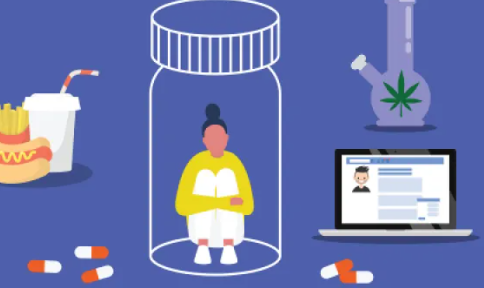
Addiction has far-reaching consequences for individuals, families, and communities, encompassing physical, psychological, social, and economic dimensions. Individuals with addiction often experience a range of health problems, including cardiovascular disease, liver damage, mental health disorders, and infectious diseases such as HIV/AIDS and hepatitis. Addiction can also impair cognitive function, disrupt relationships, and lead to financial hardship, unemployment, and homelessness.
The impact of addiction extends beyond the individual to affect families and communities as a whole. Families of individuals with addiction may experience strained relationships, financial instability, and emotional distress, as they struggle to cope with the consequences of their loved one’s behavior. Communities grappling with addiction face various challenges, including increased crime rates, strained healthcare systems, and decreased productivity. Moreover, addiction contributes to social stigma and discrimination, further marginalizing affected individuals and hindering their access to support and treatment.
Public Health Implications
The pervasive nature of addiction and its associated harms underscore its significance as a public health concern. Addiction imposes a substantial burden on healthcare systems, law enforcement agencies, and social services, necessitating coordinated efforts to prevent and mitigate its impact. From a public health perspective, addiction is not solely a moral or criminal issue but rather a complex health condition that requires comprehensive and evidence-based interventions.
Public health approaches to addiction encompass prevention, treatment, harm reduction, and policy interventions aimed at addressing the underlying determinants of addiction and reducing its associated risks and harms. Prevention efforts focus on reducing the initiation of substance use and promoting healthy behaviors through education, community-based programs, and policy initiatives. Treatment approaches range from detoxification and medication-assisted therapy to counseling, rehabilitation, and peer support groups, with the goal of reducing substance use and improving health outcomes.
Harm reduction strategies aim to minimize the adverse consequences of addiction by providing access to sterile syringes, naloxone kits, and supervised injection facilities, thereby reducing the risk of overdose and transmission of infectious diseases. Policy interventions, such as taxation, regulation, and restrictions on marketing and availability, are also essential components of a comprehensive public health response to addiction.
How Can I Help Someone With an Addiction?
If you love someone who struggles with addiction, you may feel helpless, scared, confused, and unsure how to assist them. While each person’s situation is unique, here are some steps you can consider:
- Educate Yourself: Learn about the symptoms of substance use disorders. These may include using more of a substance than intended, being unable to stop despite trying, experiencing cravings, and neglecting responsibilities due to substance use.
- Recognize Codependency: If your loved one has a substance use disorder, your relationship may be affected by codependency. This pattern involves trying to help the person manage their addiction while inadvertently enabling their behavior. Examples of codependent actions include making excuses for them, paying for damages, and taking on their responsibilities.
- Seek Support Groups:
- Al-Anon: A support group for people who love someone with a substance use issue.
- Codependents Anonymous: A support group for those wanting to break free from codependent behaviors1.
- Offer Practical Assistance:
- Help them find a treatment provider or program.
- Assist with barriers like financial, transportation, or childcare issues.
- Attend support groups together.
- Engage in positive, sober activities2.
- Encourage Treatment: Encourage your loved one to seek professional help. Treatment options may include therapy, counseling, and support groups.
Remember that supporting someone with addiction can be challenging, but seeking professional guidance and understanding their struggle is essential for their recovery34.
Conclusion
Addiction is a complex and multifaceted health condition characterized by compulsive behavior and impaired decision-making. It poses significant challenges to individuals, families, and communities, with far-reaching consequences for health, well-being, and social cohesion. As a public health concern, addiction requires a multifaceted and evidence-based approach that addresses its underlying determinants, reduces its associated risks and harms, and promotes recovery and resilience. By adopting a comprehensive public health approach to addiction, we can mitigate its impact, improve health outcomes, and build healthier and more resilient communities.
Having difficulty expressing your ideas in writing? We are here to help. We specialize in offering high-quality academic writing services, ensuring that your paper is not only well-written but also demonstrates a thorough understanding of the subject. With our experienced professionals assisting you, you can transform any challenging topic into a finely crafted masterpiece.
References
- American Society of Addiction Medicine. (2019). What is addiction? https://www.asam.org/resources/definition-of-addiction
- National Institute on Drug Abuse. (2020). Substance use and substance use disorder in the United States: Findings from the 2019 National Survey on Drug Use and Health. https://www.drugabuse.gov/drug-topics/trends-statistics/national-drug-early-warning-system-ndews/national-survey-drug-use-health
- World Health Organization. (2018). Global status report on alcohol and health 2018. https://www.who.int/publications/i/item/9789241565639
- Centers for Disease Control and Prevention. (2018). Understanding the opioid epidemic. https://www.cdc.gov/drugoverdose/epidemic/index.html
…