

Introduction
Homelessness is a multifaceted issue that affects millions of individuals globally, with mental health challenges being a prevalent concern among this vulnerable population. According to the Substance Abuse and Mental Health Services Administration (SAMHSA), approximately 26% of homeless adults in the United States live with serious mental illness. Addressing mental health issues among the homeless requires a comprehensive approach, and community support plays a crucial role in providing the necessary resources and assistance. This essay explores the importance of community support in addressing mental health challenges among the homeless, examining various initiatives, programs, and strategies aimed at improving outcomes for this marginalized group.
Understanding the Mental Health Challenges Among the Homeless
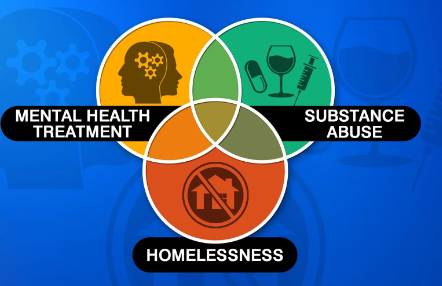
Before looking into the role of community support, it is essential to understand the unique mental health challenges faced by the homeless population. Homelessness itself can exacerbate existing mental health conditions or lead to the development of new ones due to exposure to trauma, violence, substance abuse, and lack of access to adequate healthcare services. Common mental health disorders among the homeless include depression, anxiety, post-traumatic stress disorder (PTSD), schizophrenia, and bipolar disorder.
Individuals experiencing homelessness often face stigma, discrimination, and social isolation, which further compound their mental health struggles. Moreover, the cyclical nature of homelessness, characterized by unstable living situations and limited access to resources, makes it challenging for individuals to prioritize their mental health needs. As a result, many homeless individuals struggle to access mental health treatment and support services, perpetuating a cycle of untreated or undertreated mental illness.
The Importance of Community Support
Community support plays a pivotal role in addressing mental health challenges among the homeless by providing essential resources, services, and interventions tailored to their unique needs. Unlike institutionalized care, community-based approaches emphasize empowerment, social inclusion, and collaboration, fostering a sense of belonging and autonomy among homeless individuals.

Access to Mental Health Services
One of the primary functions of community support is to facilitate access to mental health services for homeless individuals. This includes outreach programs that identify and engage with homeless individuals in need of mental health support, mobile clinics that offer on-site assessments and treatment, and partnerships with local healthcare providers to ensure continuity of care. By bringing mental health services directly to the homeless population, community support initiatives remove barriers related to transportation, finances, and stigma, making it easier for individuals to seek help.
Housing First Approach
The Housing First approach is a community-based intervention that prioritizes providing stable housing to homeless individuals without preconditions, such as sobriety or participation in treatment programs. By addressing the immediate need for shelter, Housing First programs create a foundation for individuals to focus on their mental health and overall well-being. Research has shown that stable housing significantly improves mental health outcomes among the homeless, reducing symptoms of psychiatric disorders and substance abuse while increasing engagement in treatment and support services.
Peer Support and Advocacy
Peer support programs play an essential role in the recovery process for homeless individuals with mental illness. These programs leverage the lived experiences of formerly homeless individuals who have overcome similar challenges to provide empathy, guidance, and encouragement to their peers. Peer support workers serve as role models and mentors, offering practical assistance with navigating social services, accessing healthcare, and building social connections. Additionally, peer advocacy initiatives empower homeless individuals to advocate for their rights, demand better access to services, and challenge systemic barriers to housing and healthcare.
Community Integration and Social Inclusion
Community support initiatives aim to promote the integration and social inclusion of homeless individuals within their communities. This involves creating opportunities for meaningful engagement, such as employment training programs, educational workshops, recreational activities, and volunteer opportunities. By fostering a sense of belonging and purpose, community integration reduces feelings of isolation and loneliness among homeless individuals, which are significant contributors to poor mental health outcomes. Furthermore, building supportive social networks helps homeless individuals access resources, receive emotional support, and develop positive relationships, all of which are protective factors for mental well-being.
Initiatives and Programs Supporting Mental Health Among the Homeless
Numerous initiatives and programs have been implemented at the community level to address mental health challenges among the homeless population. These initiatives vary in scope, approach, and target population but share a common goal of improving mental health outcomes and enhancing the overall quality of life for homeless individuals.
Street Medicine Programs
Street medicine programs deliver healthcare services directly to homeless individuals in their outdoor environments, including shelters, parks, and streets. These programs are staffed by healthcare professionals, including physicians, nurses, and social workers, who provide medical care, mental health assessments, and referrals to community resources. By meeting homeless individuals where they are, street medicine programs bridge the gap between unmet healthcare needs and traditional healthcare settings, ensuring continuity of care and addressing immediate health concerns.
Psychiatric Outreach Teams
Psychiatric outreach teams consist of mental health professionals, such as psychiatrists, psychologists, and psychiatric nurses, who specialize in working with homeless individuals with severe mental illness. These teams conduct regular outreach efforts to engage with homeless individuals in need of mental health support, offering assessments, medication management, counseling, and crisis intervention services. Psychiatric outreach teams collaborate closely with other community agencies, including homeless shelters, substance abuse treatment programs, and law enforcement agencies, to coordinate care and ensure holistic support for homeless individuals with complex mental health needs.
Supportive Housing Programs

Supportive housing programs combine affordable housing with supportive services, such as case management, counseling, and life skills training, to help homeless individuals maintain stable housing and address underlying issues contributing to homelessness, including mental illness and substance abuse. These programs follow a Housing First approach, providing individuals with immediate access to housing without preconditions, followed by ongoing support to address their specific needs. Supportive housing programs prioritize client choice, self-determination, and community integration, empowering homeless individuals to reclaim their independence and achieve long-term stability.
Peer-Run Drop-In Centers
Peer-run drop-in centers offer safe and welcoming spaces where homeless individuals can access support, socialize with peers, and participate in recreational and educational activities. These centers are staffed by trained peer support workers who have lived experience with homelessness and mental illness, allowing them to offer empathetic and nonjudgmental support to their peers. Peer-run drop-in centers provide a range of services, including meals, showers, laundry facilities, peer counseling, support groups, and referrals to community resources. By fostering a sense of community and belonging, these centers help combat social isolation and promote recovery among homeless individuals.
Conclusion
The role of community support in addressing mental health challenges among the homeless cannot be overstated. By providing access to essential resources, services, and interventions, community-based initiatives empower homeless individuals to prioritize their mental health and well-being. From outreach programs and supportive housing to peer support and advocacy, these initiatives offer a holistic approach to addressing the complex needs of homeless individuals with mental illness. Moving forward, it is essential to continue investing in community-based solutions and partnerships that prioritize the dignity, autonomy, and recovery of homeless individuals experiencing mental health challenges. Only through collective action and commitment can we create inclusive communities where everyone has the opportunity to thrive.
Having difficulty expressing your ideas in writing? Search no more. We specialize in offering high-quality academic writing services, ensuring that your paper is not only well-written but also demonstrates a thorough understanding of the subject. With our experienced professionals assisting you, you can transform any challenging topic into a finely crafted masterpiece.