

Preschool years are a whirlwind of exploration, discovery, and, unfortunately, exposure to a multitude of germs. While antibiotics have been a saving grace in combating bacterial infections, a growing concern looms: antibiotic resistance in preschool children. This phenomenon, where bacteria develop the ability to withstand the very drugs designed to destroy them, poses a significant threat to our children’s health and the effectiveness of future medical interventions.
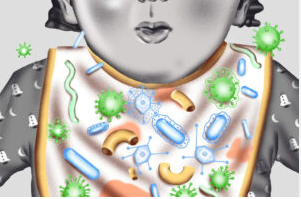
This paper aims to look into this concerning issue, highlighting its:
Prevalence: We’ll explore the current statistics and trends of antibiotic resistance among preschoolers, examining contributing factors like frequent daycare attendance and antibiotic overuse.
Consequences: We’ll shed light on the potential implications of antibiotic resistance, including longer and more complicated illnesses, increased healthcare costs, and the possibility of untreatable infections.
Contributing factors: We’ll examine the various factors that contribute to this problem, including overuse of antibiotics in children, lack of accurate diagnosis, and incomplete treatment courses.
Potential solutions: We’ll explore strategies to combat this issue, from promoting judicious antibiotic use to developing alternative treatment options and fostering better public awareness
Prevalence
Global Snapshot:
While data varies across regions and countries, studies indicate a worrisome trend of rising antibiotic resistance among preschoolers.
A 2019 WHO report revealed that in some countries, up to 80% of common bacterial infections in children exhibit resistance to commonly used antibiotics like amoxicillin and trimethoprim-sulfamethoxazole.
In developed countries, resistance rates for major bacterial pathogens like E. coli and S. pneumoniae can range from 20% to 50% depending on the antibiotic and region.
High-Risk Groups within Preschoolers:
Children attending daycare: Studies suggest an increased risk of antibiotic resistance in children attending daycare due to frequent exposure to various pathogens and potential overuse of antibiotics for common illnesses.
Frequent antibiotic users: Children who receive multiple courses of antibiotics, especially for non-bacterial infections like viral colds, are more likely to harbor resistant bacteria.
Children from low-income families: Limited access to quality healthcare and preventive measures can contribute to higher antibiotic use and subsequent resistance.
Specific Bacterial Concerns:
S. pneumoniae: Resistance to penicillin, once the treatment of choice, is increasing, prompting concerns about managing pneumonia and ear infections.
E. coli: Resistance to commonly used antibiotics for urinary tract infections (UTIs) is rising, potentially leading to longer illnesses and complications.
Methicillin-resistant Staphylococcus aureus (MRSA): While less common in young children, MRSA infections can be difficult to treat due to their resistance to multiple antibiotics.
Factors Influencing Prevalence:
Indiscriminate antibiotic use: Overuse and inappropriate prescription of antibiotics for viral infections or minor illnesses contribute to the development and spread of resistant bacteria.
Incomplete treatment courses: Not finishing prescribed antibiotic regimens allows resistant bacteria to survive and multiply.
Lack of rapid diagnostic tests: Delayed diagnosis and inappropriate antibiotic use can occur without quick and accurate identification of the specific pathogen.
What are three major contributing factors to antibiotic resistance?
Indiscriminate Antibiotic Use:
- Overprescribing: The most significant factor is the overuse and inappropriate prescription of antibiotics for viral infections like colds and coughs, where they are ineffective. Pressure from parents, lack of rapid diagnostic tests, and financial incentives for some healthcare providers can contribute to this practice.
- Incomplete Courses: Failing to complete the entire prescribed antibiotic course allows resistant bacteria to survive and multiply, leading to stronger strains. Factors like limited access to healthcare, language barriers, or lack of understanding about the importance of completing treatment can contribute to this issue.
- Prophylactic use in animals: The overuse of antibiotics in livestock farming for growth promotion and disease prevention can lead to residues in meat and the environment, potentially contributing to the spread of resistant bacteria to humans, including children.
2. Limited Diagnostic Tools and Awareness:
- Delayed diagnosis: The lack of rapid and accurate diagnostic tests, especially in resource-limited settings, can lead to misdiagnosis and inappropriate antibiotic use. Early and accurate identification of the specific pathogen causing the infection is crucial for prescribing the right treatment, minimizing unnecessary antibiotic use.
- Public awareness gaps: Limited knowledge among parents and communities about the proper use of antibiotics, the dangers of resistance, and alternative treatment options can contribute to inappropriate demands and misuse. Educational initiatives and awareness campaigns are crucial to empower individuals to make informed decisions about their health.
3. Socioeconomic Disparities:
- Access to healthcare: Children from low-income families might have limited access to quality healthcare, leading to delayed diagnosis, treatment with older, less effective antibiotics, and higher chances of developing resistant infections. Addressing healthcare access disparities is crucial to ensure equitable treatment for all children.
- Living conditions and hygiene: Crowded living conditions and limited access to proper sanitation and hygiene facilities can increase the spread of bacteria and contribute to the emergence of resistant strains. Addressing these challenges requires comprehensive approaches that go beyond healthcare interventions.
Combating Antibiotic Resistance in Preschool Children: 4 Crucial Strategies
The escalating issue of antibiotic resistance in preschool children demands a multi-pronged approach to protect their health and ensure the effectiveness of antibiotics for future generations. Here are four key strategies to consider:
1. Promote Judicious Antibiotic Use:
- Education and awareness: Empower parents, caregivers, and healthcare professionals with accurate information about antibiotics, their proper use, and the dangers of resistance. Educational campaigns through schools, healthcare settings, and community outreach can be impactful.
- Antibiotic stewardship programs: Implement programs within healthcare institutions that promote evidence-based prescribing, encourage rapid diagnostics, and track antibiotic use to identify and address overprescribing trends.
- Develop and utilize rapid diagnostic tests: Invest in and promote the use of rapid diagnostic tests that can accurately identify the specific cause of infection, enabling targeted treatment with the most appropriate antibiotic, if needed.
2. Advocate for Alternative Treatment Options:
- Invest in research and development: Support research into alternative treatments for common childhood infections, such as bacteriophages (viruses that target specific bacteria) and immunomodulatory therapies that bolster the immune system’s natural defenses.
- Promote non-pharmaceutical interventions: Encourage the use of non-antibiotic approaches for managing symptoms and supporting recovery, such as rest, proper hydration, and over-the-counter pain relievers.
3. Address Socioeconomic Disparities:
- Expand access to quality healthcare: Ensure equitable access to healthcare services, including preventative care, accurate diagnosis, and appropriate antibiotic treatment for all children, regardless of socioeconomic background.
- Invest in community-based interventions: Implement programs that address factors like crowded living conditions, poor sanitation, and limited access to hygiene facilities, as these can contribute to the spread of antibiotic-resistant bacteria.
4. Foster Global Collaboration:
- Standardize best practices: Establish and implement international guidelines for antibiotic use in both human and animal health to prevent the emergence and spread of resistant bacteria across borders.
- Share data and research: Encourage collaboration and knowledge sharing between researchers, healthcare professionals, and governments globally to stay ahead of emerging threats and develop effective solutions.