

Introduction
The adoption of evidence-based pain management protocols is an essential component of nursing practice. Pain is a common experience among patients across various healthcare settings, and it can have a significant impact on their overall well-being and quality of life. As healthcare professionals, nurses play a critical role in assessing and managing pain effectively. However, traditional approaches to pain management have often been based on subjective assessments and outdated practices, leading to suboptimal patient outcomes.
In recent years, there has been a growing emphasis on the use of evidence-based practice in healthcare, which involves the integration of the best available evidence with clinical expertise and patient preferences. This essay aims to explore the importance of adopting evidence-based pain management protocols in nursing practice and the potential benefits it can bring to both patients and healthcare professionals. By examining current literature, analyzing relevant studies, and discussing practical strategies, this project seeks to provide a comprehensive understanding of the adoption of evidence-based pain management protocols in nursing and its implications for patient care.
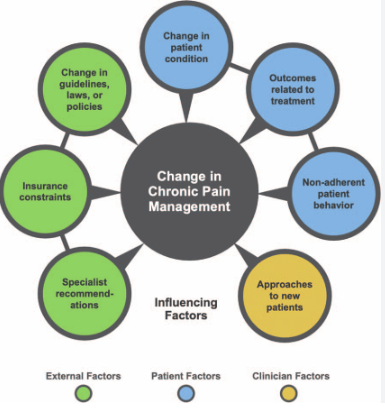
Importance of Evidence-Based Pain Management Protocols
in Nursing Evidence-based pain management protocols play a critical role in nursing practice as they provide a standardized and systematic approach to pain assessment and treatment. By following evidence-based protocols, nurses can ensure that they are utilizing the most effective and current strategies for pain management, resulting in improved patient outcomes. These protocols are based on rigorous research evidence that supports the use of specific interventions, such as pharmacological and non-pharmacological treatments, to effectively manage pain. Additionally, evidence-based protocols guide nurses in providing personalized care by considering individual patient factors and preferences.
This approach promotes patient-centered care and enhances patient satisfaction. Furthermore, evidence-based pain management protocols contribute to a safe practice environment by reducing the risk of adverse effects and medication errors, as they are grounded in scientific evidence . Therefore, the adoption and implementation of evidence-based pain management protocols are essential in ensuring high-quality and safe nursing care. (S. Zimmerman, B. Resnick, J. Ouslander, C. Levy, J. Gaugler, P. Sloane, V. Mor)
Current Challenges in Pain Management
Current challenges in pain management include the overreliance on opioid medications, the limited access to alternative treatment options, and the variability in pain assessment and management practices among healthcare providers. Opioid medications, while effective in managing pain, carry the risk of addiction and overdose . Due to concerns surrounding the opioid epidemic, there has been a push to reduce the use of opioids in pain management and increase access to non-pharmacological therapies such as physical therapy and cognitive-behavioral interventions .
However, access to these alternatives remains limited, particularly in rural and underserved areas . Additionally, there is a lack of standardized pain assessment and management protocols among healthcare providers, leading to inconsistencies in patient care and outcomes . Addressing these challenges requires a comprehensive approach that includes education and training for healthcare providers, increased availability of non-pharmacological treatments, and the development of evidence-based pain management protocols. (V. M. Siqueira-Campos, Mariana Siqueira Campos De Deus, O. Poli-Neto, J. Rosa-E-Silva, J. M. de Deus, D. M. Conde, p. 225-244)
Adoption of Evidence-Based Pain Management Protocols
In Nursing PracticeIn recent years, there has been an increasing emphasis on the adoption of evidence-based pain management protocols in nursing practice. This shift is driven by a growing recognition of the need for standardized and effective approaches to pain management, as well as a desire to improve patient outcomes and satisfaction. Evidence-based protocols provide nurses with guidelines based on the best available evidence, allowing for a more consistent and evidence-based approach to pain management.
By adopting these protocols, nurses can ensure that their practice is based on the most up-to-date and effective strategies for managing pain in their patients. Implementation of evidence-based pain management protocols has been shown to improve patient outcomes, reduce the use of opioids, and increase patient satisfaction . It is essential for nurses to be aware of these protocols and actively incorporate them into their practice to provide optimal care for their patients. (Sun Jung Park, Young-sook Lim, G. Ko, Yeun Mi Kim, Byung-Jun Park, Sun Young Park, H. Shin, Hyo Yoel Jang)
Benefits and Outcomes of Implementing Evidence-Based Pain Management Protocols
Implementing evidence-based pain management protocols has numerous benefits and outcomes in healthcare settings. One of the major benefits of adopting these protocols is improved patient outcomes. Evidence-based pain management protocols have been shown to effectively reduce pain levels in patients and improve their overall quality of life. By using evidence-based practices, healthcare providers can ensure that patients receive appropriate pain management interventions tailored to their specific needs, leading to better pain control and improved patient satisfaction . Another benefit of implementing evidence-based pain management protocols is the reduction in healthcare costs.
By utilizing evidence-based practices, healthcare providers can optimize the use of resources and reduce unnecessary healthcare expenditures associated with ineffective pain management interventions . Additionally, evidence-based pain management protocols contribute to the standardization of care practices, promoting consistent and high-quality care across healthcare settings . In summary, the implementation of evidence-based pain management protocols benefits both patients and healthcare systems by improving patient outcomes, reducing costs, and promoting standardized care practices. (Abdulsalam Aleid, Eman M Alyaseen, Razan S Alfurayji, Bader S Alanazi, Fatimah A Alquraish, Abbas Al Mutair, Mohammed Alessa, L. Albinsaad)
Barriers to the Adoption of Evidence-Based Pain Management Protocols
Despite the numerous benefits and proven effectiveness of evidence-based pain management protocols, there are several barriers that hinder their widespread adoption in healthcare settings. One significant barrier is the lack of awareness and knowledge among healthcare professionals regarding the latest evidence-based practices . Many healthcare providers may be unaware of the current guidelines and research supporting the use of evidence-based pain management protocols, leading to inconsistent or outdated practices. Another barrier is the resistance to change within healthcare organizations .
Implementing new protocols requires a shift in practices and may require additional resources and staff education. This resistance can stem from various factors, including the fear of increased workload and the belief that current practices are sufficient. Furthermore, the lack of organizational support and resources can hinder the successful adoption of evidence-based pain management protocols . Without adequate support from administrators and access to necessary resources, healthcare professionals may struggle to implement and sustain the use of evidence-based practices. These barriers highlight the need for targeted interventions and educational initiatives to address gaps in knowledge, overcome resistance to change, and ensure the successful implementation of evidence-based pain management protocols
Conclusion
In conclusion, the adoption of evidence-based pain management protocols is crucial for the improvement of patient outcomes and overall quality of care. Through careful examination of existing research and evidence, healthcare professionals can identify the most effective and reliable strategies for pain management. The utilization of evidence-based protocols ensures that patients receive appropriate and timely interventions, leading to better pain control and enhanced patient satisfaction. Furthermore, the implementation of these protocols allows healthcare organizations to standardize care practices, promote interdisciplinary collaboration, and optimize resource allocation.
Integrating evidence-based pain management protocols into clinical practice, nurses can contribute significantly to the provision of safe, effective, and patient-centered care, ultimately improving patient outcomes and promoting a culture of continuous quality improvement in healthcare settings. It is important for healthcare professionals to remain up-to-date with the latest research and evidence in pain management to ensure that patients receive the highest standard of care, which can be achieved through the ongoing adoption and evaluation of evidence-based pain management protocols.
References:
- S. Zimmerman, B. Resnick, J. Ouslander, C. Levy, J. Gaugler, P. Sloane, V. Mor, “Pragmatic Trials and Improving Long‐Term Care: Recommendations From a National Institutes of Health Conference”, 2022
- V. M. Siqueira-Campos, Mariana Siqueira Campos De Deus, O. Poli-Neto, J. Rosa-E-Silva, J. M. de Deus, D. M. Conde, “Current Challenges in the Management of Chronic Pelvic Pain in Women: From Bench to Bedside”, 2022, p. 225-244
- Sun Jung Park, Young-sook Lim, G. Ko, Yeun Mi Kim, Byung-Jun Park, Sun Young Park, H. Shin, Hyo Yoel Jang, “Development of the Evidence-based Pain Management, Pressure Ulcer Care, Fall Prevention Care, and Drainage Tube Management Protocol for Nursing Students”, 2023
- Abdulsalam Aleid, Eman M Alyaseen, Razan S Alfurayji, Bader S Alanazi, Fatimah A Alquraish, Abbas Al Mutair, Mohammed Alessa, L. Albinsaad, “Enhanced Recovery After Surgery (ERAS) in Saudi Arabian Surgical Practice: A Comprehensive Analysis of Surgical Outcomes, Patient Satisfaction, and Cost-Effectiveness”, 2023