

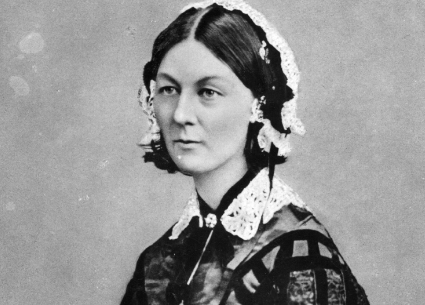
Florence Nightingale
During the Crimean War (1853–1856), Florence Nightingale, renowned as the “Lady with the Lamp,” revolutionized healthcare through her pioneering statistical methods. Here’s how:
- The Crimean War Context:
- The Crimean War was marked by shocking statistics: tens of thousands of soldiers died due to preventable diseases caused by unsanitary healthcare.
- When Nightingale arrived in Crimea with her nursing team, they encountered appalling conditions: hospitals lacking beds, blankets, and basic necessities. Rats and fleas infested the environment.
- Soldiers suffered from frostbite, dysentery, cholera, and typhus, living in utterly chaotic and inhumane conditions.
- Inadequate medical records compounded the crisis, hindering systematic recording and reporting.
- Nightingale’s Analytical Approach:
- Nightingale’s mathematical skills, developed from an early age, played a crucial role.
- She collected, organized, and presented data meticulously.
- Her devotion to mathematics drove her throughout her nursing career.
- Nightingale’s statistical analysis revealed a scandal: more soldiers died from preventable diseases than from battlefield wounds.
- The Impact of Nightingale’s Work:
- She used data to advocate for change, emphasizing the urgent need for healthcare reform.
- Nightingale’s legacy extends beyond her nursing care; she laid the groundwork for modern epidemiology.
- Her statistical methods helped prove that widespread reform of hospital care was vital.
Florence Nightingale’s Contribution to Healthcare Statistics
- Graphical Representation:
- Nightingale employed graphical techniques to convey complex information effectively.
- Her most famous creation is the polar area diagram (also known as the “coxcomb” or “Nightingale rose”).
- This innovative visualization depicted mortality rates and causes of death among soldiers in Crimea.
- By presenting data visually, Nightingale highlighted the impact of preventable diseases and unsanitary conditions.
- Using Data for Advocacy:
- Nightingale’s statistical evidence influenced policymakers and led to significant reforms.
- She emphasized the importance of sanitation, hygiene, and proper medical care.
- Her work paved the way for improvements in hospital design, nursing practices, and public health policies.
- Legacy and Recognition:
- Florence Nightingale remains an icon in healthcare and statistics.
- Her commitment to data-driven decision-making continues to inspire healthcare professionals worldwide.
Florence Nightingale’s analytical prowess and dedication to statistics transformed healthcare. Her legacy reminds us that data-driven insights can drive positive change and save lives123.
What is the Nightingale Pledge
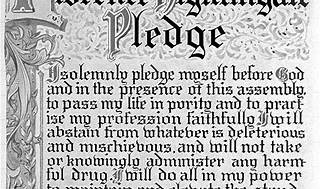
The Nightingale Pledge, named in honor of Florence Nightingale, is a modified version of the Hippocratic Oath specifically tailored for nurses. It serves as a solemn commitment to uphold ethical principles within the nursing profession. Created in 1893, the Nightingale Pledge is most commonly taken by North American nurses and is not widely used outside the United States12.
Here are the key elements of the original Nightingale Pledge:
Original “Florence Nightingale Pledge”:
I solemnly pledge myself before God and in the presence of this assembly to pass my life in purity and to practice my profession faithfully. I shall abstain from whatever is deleterious and mischievous, and shall not take or knowingly administer any harmful drug. I shall do all in my power to maintain and elevate the standard of my profession and will hold in confidence all personal matters committed to my keeping and all family affairs coming to my knowledge in the practice of my calling. I shall be loyal to my work and devoted towards the welfare of those committed to my care13 .
In a 1935 revision, Lystra Gretter (credited as the “moving spirit behind the idea” for the pledge) expanded the nurse’s role by including an oath to become a “missioner of health” dedicated to advancing “human welfare.” This update broadened nurses’ focus beyond bedside care to encompass public health initiatives1. The revised version reads as follows:
1935 Revised Version (changes from original italicized):
I solemnly pledge myself before God and in the presence of this assembly to pass my life in purity and to practice my profession faithfully. I will abstain from whatever is deleterious and mischievous, and will not take or knowingly administer any harmful drug. I will do all in my power to maintain and elevate the standard of my profession and will hold in confidence all personal matters committed to my keeping and all family affairs coming to my knowledge in the practice of my calling. With loyalty will I aid the physician in his work, and as a missioner of health, I will dedicate myself to devoted service for human welfare1.
In recent years, some U.S. nursing schools have made further modifications to the pledge, often removing the “loyalty to physicians” phrasing to promote a more independent nursing profession with its own distinct ethical standards4.
The Nightingale Pledge is recited at nursing pinning ceremonies, symbolizing the transition from student to professional nurse. It serves as a reminder of the commitment to compassionate care, ethical practice, and dedication to human welfare43.
How did Florence Nightingale’s Work Influence Modern Nursing Practices?
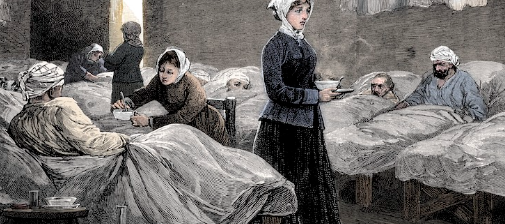
Florence Nightingale, the visionary nurse and statistician, left an indelible mark on modern nursing practices. Her groundbreaking work continues to shape healthcare in profound ways:
- Emphasis on Hygiene and Sanitation:
- Nightingale recognized the critical role of cleanliness in preventing infections.
- She advocated for rigorous handwashing, sterilization of medical equipment, and maintaining sanitary environments.
- Her principles laid the foundation for infection control practices in hospitals today.
- Evidence-Based Practice:
- Nightingale’s commitment to data-driven decision-making was ahead of her time.
- She meticulously collected and analyzed health data, especially during the Crimean War.
- Her statistical insights highlighted the impact of preventable diseases and poor sanitation.
- Modern nurses continue to rely on evidence-based practice, integrating research findings into patient care.
- Nursing Education and Professionalism:
- Nightingale established the first formal nursing school at St. Thomas’ Hospital in London.
- She emphasized education, training, and professional standards for nurses.
- Her legacy persists in nursing education programs worldwide, emphasizing competence, ethics, and compassion.
- Holistic Care:
- Nightingale believed in treating patients as whole individuals, not just their ailments.
- She emphasized emotional support, comfort, and psychological well-being.
- Modern nursing practices prioritize holistic care, addressing physical, emotional, and social needs.
- Advocacy for Vulnerable Populations:
- Nightingale championed the rights of marginalized groups, including soldiers and the poor.
- Her advocacy paved the way for community health nursing and public health initiatives.
- Today, nurses advocate for underserved populations, promoting health equity and social justice.
- Leadership and Compassion:
- Nightingale’s leadership during the Crimean War demonstrated resilience and compassion.
- Her tireless efforts to improve patient outcomes set a precedent for nurse leaders.
- Modern nurse leaders draw inspiration from her dedication and empathy.
Florence Nightingale’s legacy extends far beyond her lamp-lit hospital rounds. Her impact on nursing practices reverberates through time, reminding us that compassionate care, evidence-based approaches, and advocacy remain essential in healthcare.
Having difficulty expressing your ideas in writing? We are here to help. We specialize in offering high-quality academic writing services, ensuring that your paper is not only well-written but also demonstrates a thorough understanding of the subject. With our experienced professionals assisting you, you can transform any challenging topic into a finely crafted masterpiece.