

Community health projects are initiatives designed to improve the health and well-being of a specific population within a defined community. These projects address various needs, ranging from access to healthcare and healthy food to promoting physical activity and mental health awareness. By tackling these local challenges, community health projects offer numerous benefits for individuals, families, and the community as a whole.
Benefits:
- Improved individual and community health: Reduced healthcare costs, increased productivity, and improved quality of life.
- Stronger social connections and community engagement: Fostering belonging, support, and collaboration within the community.
- Empowered individuals: Enabling people to take charge of their health and well-being.
- Policy awareness and advocacy: Leading to lasting positive changes for the community’s health environment.
Here are some examples of community health project ideas
Addressing Specific Needs:
- Mobile Medical Clinic: Partner with healthcare providers to offer basic medical checkups, vaccinations, and health education in transportation-limited areas.
- Prescription Assistance Program: Connect low-income individuals with resources to afford necessary medications, improving treatment adherence and health outcomes.
- Culturally-Tailored Diabetes Management Workshops: Provide culturally sensitive education and support groups for communities disproportionately affected by diabetes.
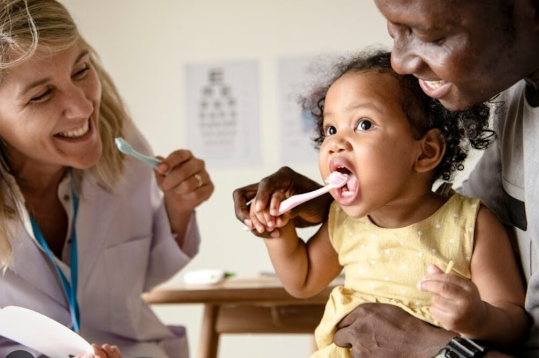
- Free Dental Hygiene Clinics: Offer basic dental cleanings and education to individuals without dental insurance, promoting oral health and preventing future complications.
- Mental Health First Aid Training: Equip community members with basic skills to identify and respond to mental health crises, reducing stigma and fostering early intervention.
Promoting Healthy Habits:
- Community Walking Routes: Develop and map safe walking paths, organize group walks, and provide educational materials on the benefits of regular physical activity.
- Community Fitness Hubs: Partner with schools or recreation centers to offer affordable access to exercise equipment, fitness classes, and healthy lifestyle coaching.
- Community Kitchen: Foster healthy eating habits by providing cooking classes focusing on affordable, nutritious meals and utilizing locally sourced ingredients.
- Farmers Market Voucher Program: Distribute vouchers to low-income families to increase access to fresh fruits and vegetables, promoting healthy diets and supporting local farmers.
- Workplace Wellness Programs: Partner with local businesses to offer on-site health screenings, fitness challenges, and educational workshops for employees, improving overall health and productivity.
Empowering Communities:
- Youth Mental Health Peer Support Groups: Create safe spaces for young people to discuss mental health challenges, share experiences, and offer peer support, fostering resilience and reducing stigma.
- Senior Citizen Technology Training: Equip older adults with digital literacy skills to access telehealth services, online health resources, and connect with their communities, combating isolation and promoting healthy aging.
- Community Clean-Up Days: Organize volunteer events to clean parks, streets, and waterways, improving environmental health and fostering a sense of community ownership.
- Community Gardens with Nutrition Education: Create community gardens to promote physical activity, access to fresh produce, and offer workshops on healthy cooking and gardening practices.
- Cultural Health Festivals: Celebrate diverse cultural traditions while promoting healthy habits through interactive activities, educational booths, and traditional healthy food demonstrations.
Advocacy and Policy Change:
- Public Policy Campaigns: Advocate for policies that expand access to healthy food, improve air and water quality, or increase funding for community health initiatives.
- Youth Tobacco Prevention Programs: Educate youth about the dangers of tobacco use and empower them to advocate for tobacco-free policies in their communities.
- Mental Health Parity Advocacy: Raise awareness about the need for mental health insurance coverage to be equal to physical health coverage, advocating for legislative changes.
- Affordable Housing Advocacy: Partner with organizations to advocate for affordable housing policies that address social determinants of health and improve community well-being.
- Healthy Food Access Coalition: Collaborate with local organizations to improve access to affordable, healthy food in your community through grocery store advocacy, food policy initiatives, and public education campaigns.
Resource
- Community Toolbox: [https://ctb.ku.edu/en]
This comprehensive website from the University of Kansas offers a wealth of resources on community health projects, including:
- Idea Bank: Browse through hundreds of project ideas sorted by topic, population, and approach.
- Planning and Implementation Tools: Find step-by-step guides, worksheets, and templates for every stage of your project, from needs assessment to evaluation.
- Funding and Grant Resources: Connect with potential funding sources and learn how to write winning grant proposals.
- Evaluation Resources: Develop a clear evaluation plan to measure your project’s impact and demonstrate its success.